

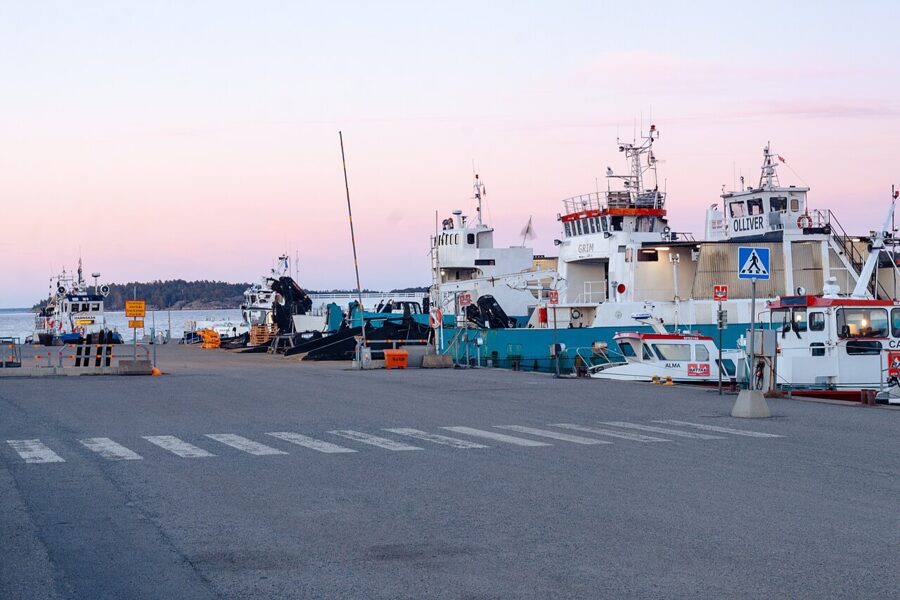
At Strömkajen, across the water from the Royal Palace, the white archipelago boats lie stern to the quay in front of the Grand Hôtel, and on a summer morning the queue for the first one out reaches back past the ticket signs. Some of the people in it are going to Vaxholm for lunch. Others have a rucksack, a tent and a ticket to an island four hours away, where the boat calls once or twice a day and the shop shuts at six.
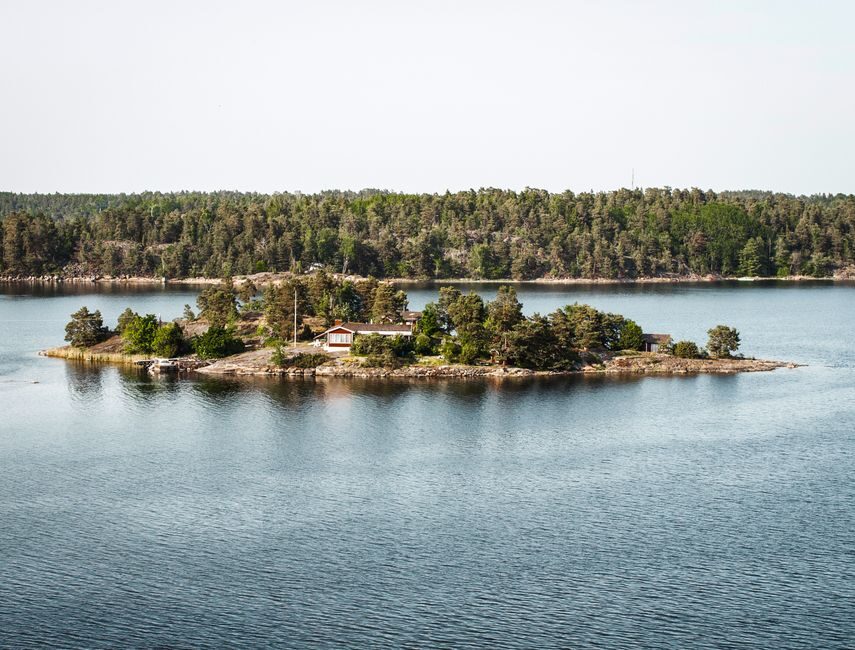
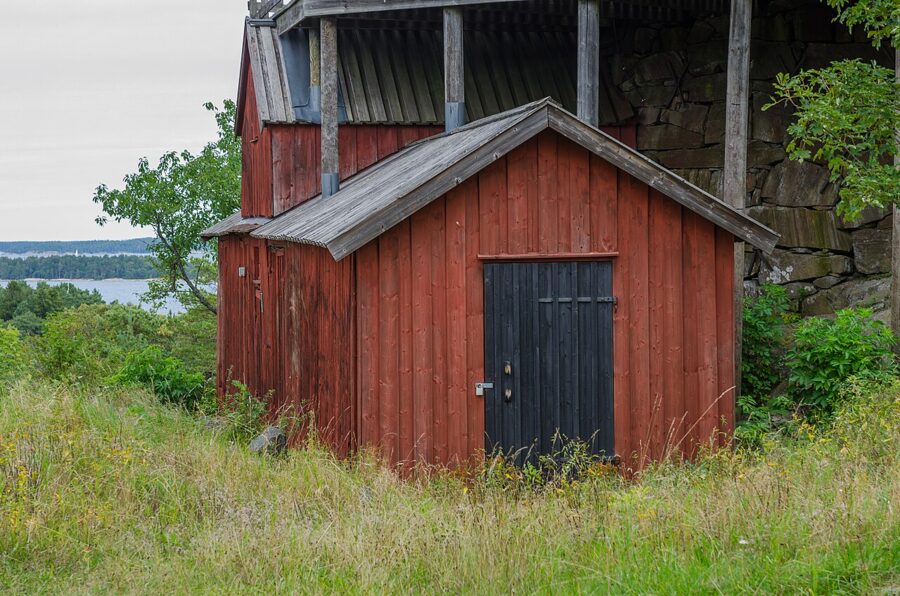
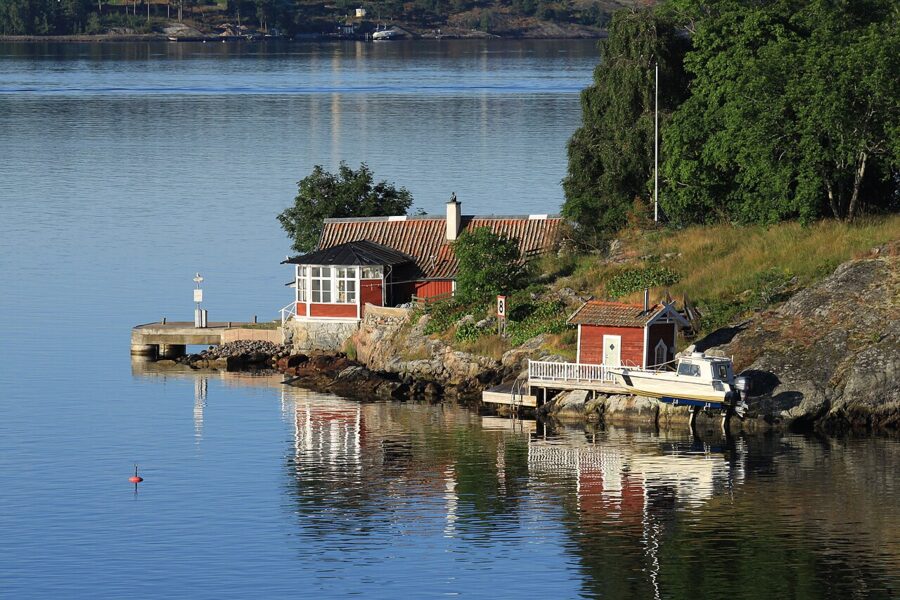
That spread is the Stockholm archipelago (Stockholms skärgård). By the county administration’s count it holds about 30,000 islands, islets and skerries, around 200 of them lived on, running from Arholma in the north to Landsort in the south. It starts at the city’s edge. The inner islands are wooded and full of summer houses; the middle ones have farms, inns and villages; the outer skerries are bare granite with a lighthouse and a few red sheds.
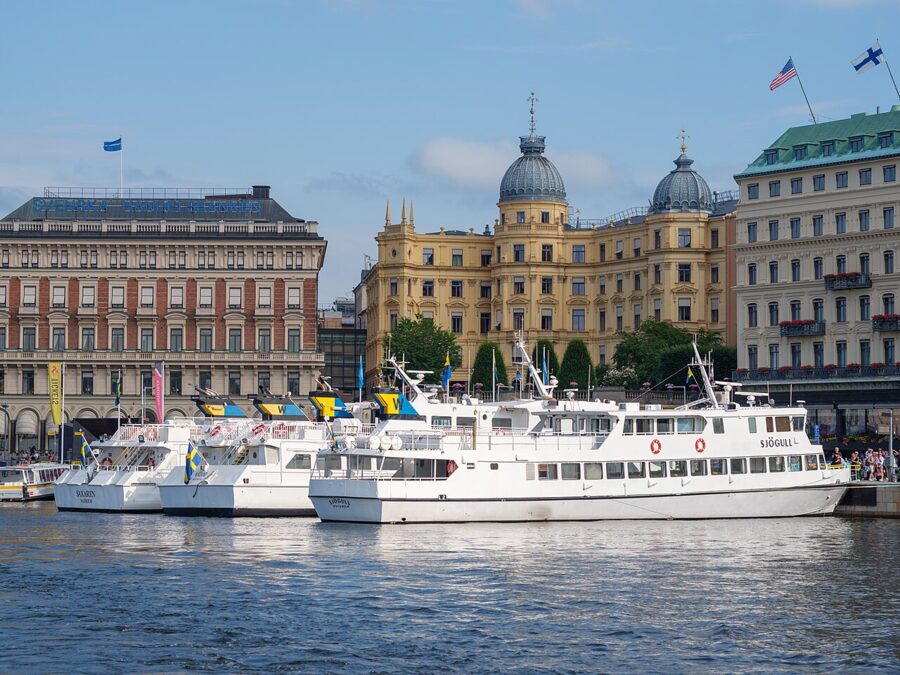
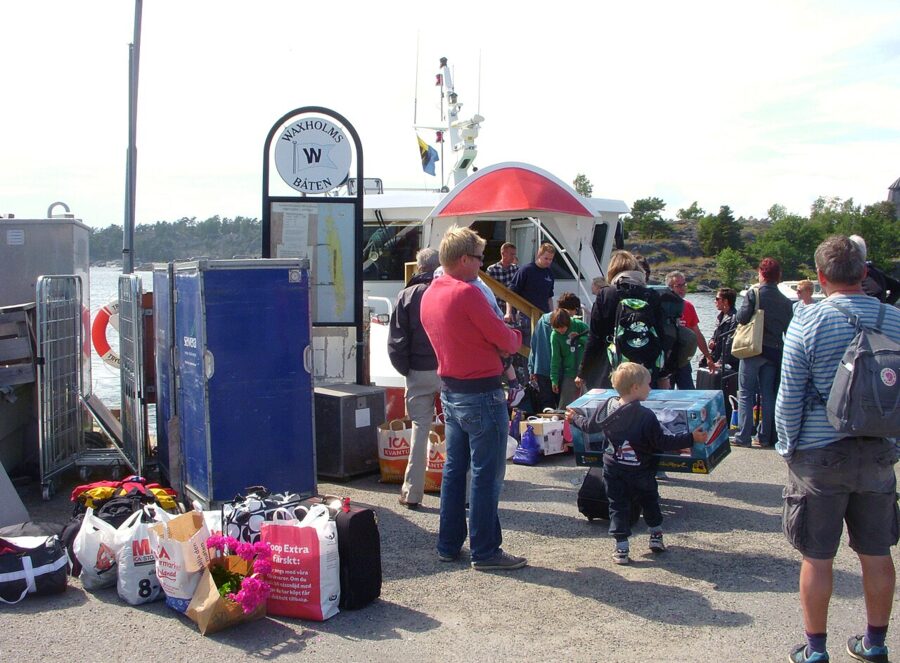
You get out there by public transport. Waxholmsbolaget, the region’s own boat company, runs year-round lines from Strömkajen and from jetties at the end of the bus routes, with fares on the same system as Stockholm’s buses and trains. From late April to late September the private Cinderella boats add a fast run from Strandvägen to Sandhamn. No car is needed.
Which part, then? With half a day, take the boat to Vaxholm or Fjäderholmarna. With a full day, go to Grinda, Gällnö or Sandhamn and swim from the rocks. With a night or more, the middle and outer islands repay the trip: Möja, Finnhamn, Utö, Nämdö, Landsort, Arholma.
The season decides the rest. June to August has every boat, inn and kiosk running. May and September are quieter and still warm enough to swim if you are Swedish about it. In winter the boats keep running to the islands people live on, but most places to eat and sleep are shut.
How the boats work
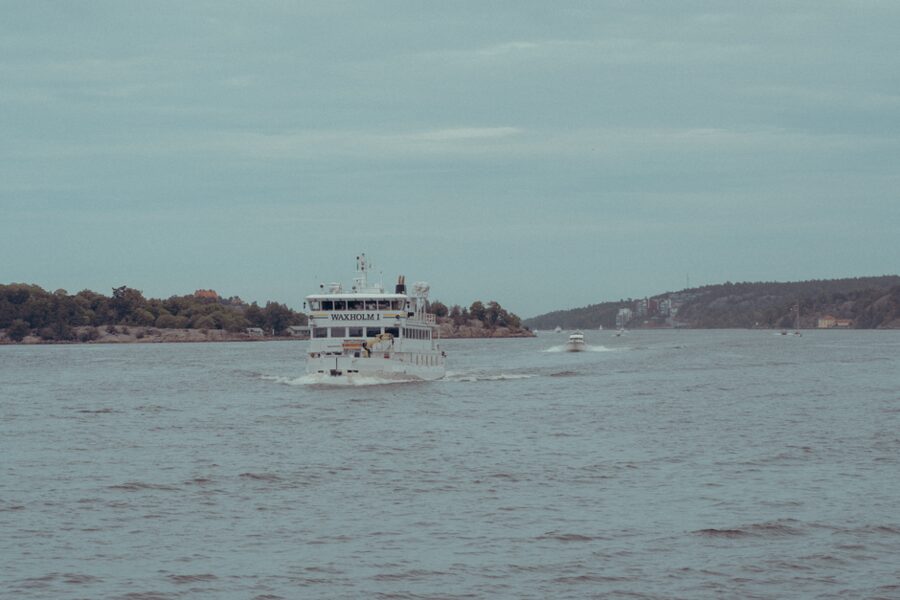
Waxholmsbolaget’s boats are public transport in the full sense: they carry commuters, schoolchildren and groceries as well as day trippers, and stop at jetties where one family lives. Strömma’s Cinderella and its Fjäderholmarna ferry are the private boats you are most likely to use.
Strömkajen, Strandvägen and the jetties at the end of the road
Strömkajen is Waxholmsbolaget’s main departure point, with boats for Vaxholm, Grinda, Svartsö, Möja, Finnhamn and the northern middle archipelago, and in summer for Sandhamn and the long runs to the outer skerries. A short walk east on Strandvägen, the Cinderella leaves from berth 14 and the Fjäderholmarna ferry from berth 13.
The quicker way to the middle and outer islands is often by land first. Bus 433 runs from Slussen to Stavsnäs vinterhamn at the end of Värmdö in about an hour, and the boat to Sandhamn takes 30 minutes to an hour from there. Other jetties work the same way: Sollenkroka for Möja, Årsta brygga (commuter train to Västerhaninge, then a bus) for Utö, Dalarö for Ornö, Nynäshamn for Nåttarö, Ankarudden for Landsort, Räfsnäs for Fejan and Lidö, and Simpnäs for Arholma. For Räfsnäs, take bus 676 from Tekniska högskolan to Norrtälje and bus 631 on to the jetty, about 1 hour 50 minutes in all.
Fares, tickets and the island-hopping pass
Waxholmsbolaget’s single tickets are priced in six bands by distance: SEK 61–186 for an adult, SEK 39–114 for under-20s, students and over-65s. A single lasts 180 minutes; a return costs two singles. Buy in the SL app or on board by card, then tap the ticket on the reader on board and hand the printed slip to the deckhand when you get off.
Two rules stretch the fares. All SL tickets, a 72-hour travelcard included, are valid all year between Strömkajen and Vaxholm and the 44 jetties around it. And from mid-September to the end of April, any SL ticket valid for 30 days or more covers the whole Waxholmsbolaget network.
| Ticket | Adult | Where it works |
|---|---|---|
| Waxholmsbolaget single (180 minutes) | SEK 61–186 | The whole network, priced by distance |
| 5-day pass (båtluffarbiljett) | SEK 595 | Unlimited Waxholmsbolaget travel for five days |
| Any SL ticket | City fare | Strömkajen–Vaxholm area, all year |
| SL ticket of 30 days or more | City fare | All Waxholmsbolaget boats, mid-September–April |
| Cinderella, Strandvägen–Sandhamn | From SEK 265 | Strömma’s summer line, booked online |
The island-hopping pass is the 5-day båtluffarbiljett: SEK 595, adults only, sold on board and loaded on to an SL card (SEK 50 if you need one). It starts when you first tap it. For three nights on three islands it is the obvious buy. It does not cover the Cinderella or the buses.
The Cinderella timetable runs from Strandvägen via Nacka Strand, Gåshaga, Vaxholm (55 minutes), Södra Grinda (1.5 hours), Gällnö (1 hour 45 minutes), Eknö and Telegrafholmen to Sandhamn (about 2.5 hours). Adults pay from SEK 190 to the nearer stops and from SEK 265 to Sandhamn; under-sixes travel free and 6–15s pay half. Book online, because a sold-out departure cannot be bought on board.
Timetables by season, bikes and luggage
Waxholmsbolaget changes its timetables four times a year: winter from mid-December to mid-April, spring to mid-June, summer to mid-August, then autumn. Summer adds the direct Strömkajen–Sandhamn line, the long run to Rödlöga and the Nord/Sydlinjen, which links islands north and south without returning to the city. Check the journey planner for your exact day; a midweek boat in May may not run on Sunday.
Luggage is never a problem; people carry beer crates and mattresses aboard.
Bikes are another matter. The Cinderella takes them when there is room, for a fee, hung over the rail, and bans electric and cargo bikes. On a summer Friday out of Strömkajen the bigger boats may have no space either. I’d hire one on the island; Utö and Arholma both have hire.
The inner archipelago: Fjäderholmarna, Vaxholm and Grinda
The inner archipelago is wooded islands, villas with flagpoles and sailing boats in every channel. It is close, easy and busy in July. Go anyway if this is your only day; the boat ride out of Stockholm is one of the best things the city offers.
Fjäderholmarna: the half-day option
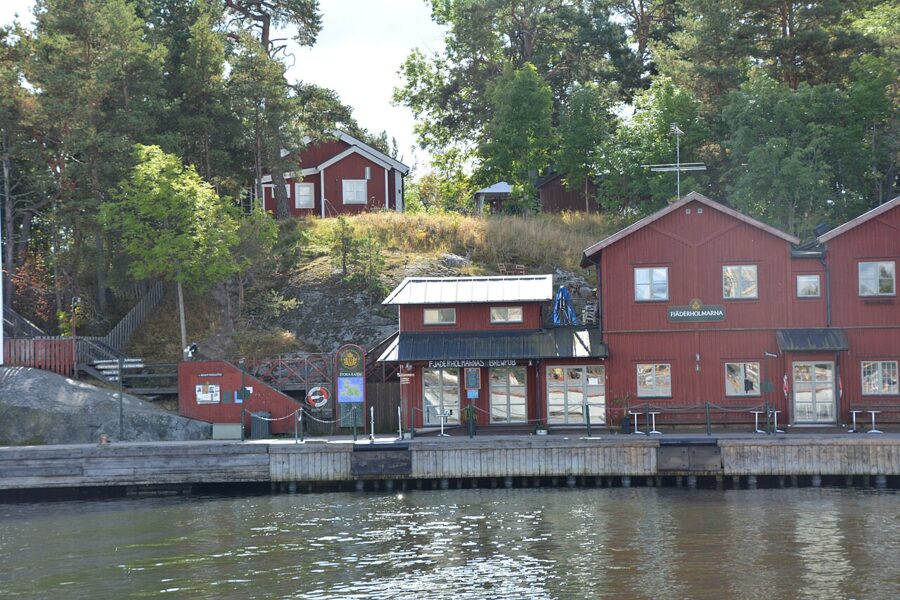
Fjäderholmarna is the nearest group of islands to the centre, 30 minutes by Strömma’s Fjäderholmarna boat from Strandvägen. In the 2026 season a return cost SEK 215. Boats run from early May to mid-September, every 30 minutes in high summer and hourly either side, with late boats back for dinner, and again for the island’s Christmas market.
Stora Fjäderholmen takes under an hour to walk round. There are craft workshops (glass, a smithy, wool), a smokehouse restaurant, a brewery and rocks to swim from. It is not wild, and on a sunny Saturday it is not quiet, but for a child or a short afternoon it does the job.
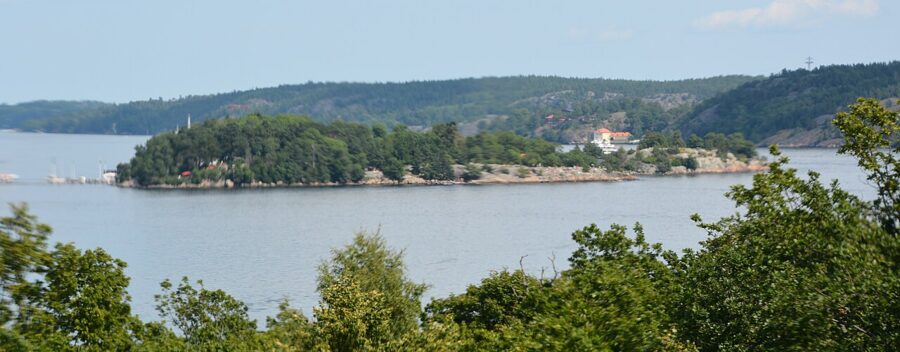
Vaxholm: the archipelago town
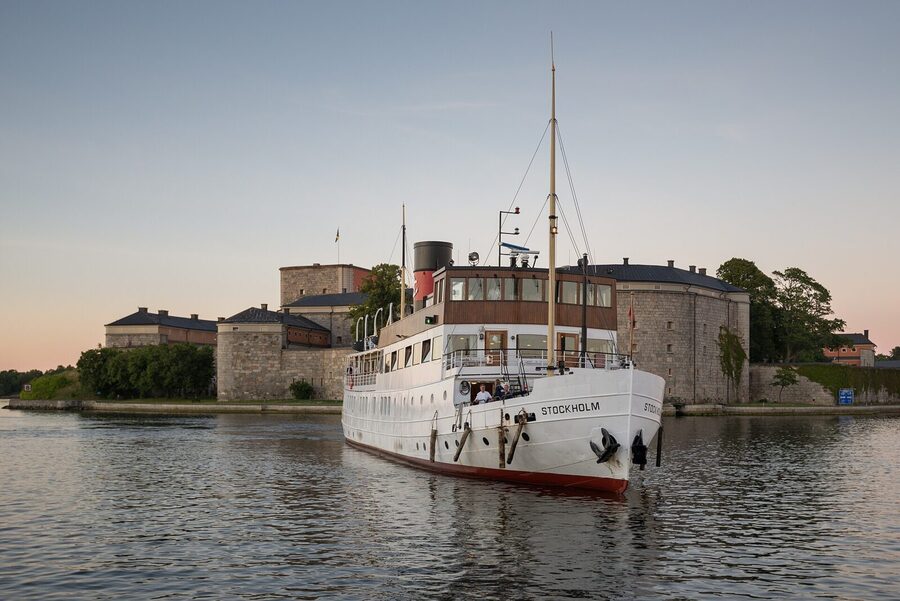
Vaxholm is the archipelago’s only real town, an hour from Strömkajen, with boats many times a day in summer and several a day otherwise. From early to late summer the old steamers Storskär, Norrskär and Västan also run the route at the same fare, and they are the nicest way to arrive. A Stockholm travelcard covers the boat. If the timing home does not suit, bus 670 runs back to Tekniska högskolan in about 45 minutes.
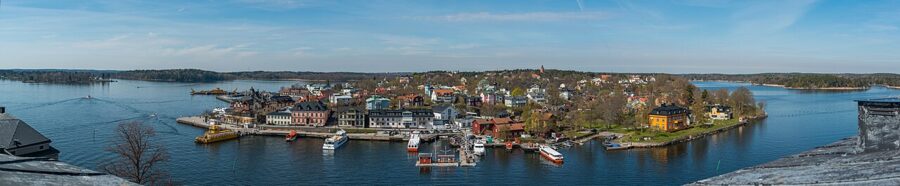
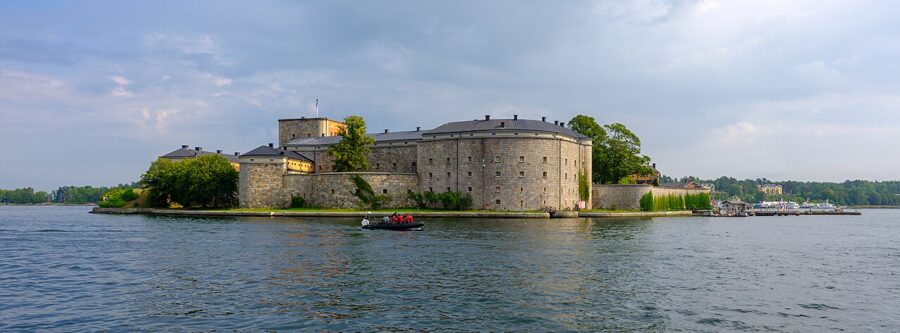
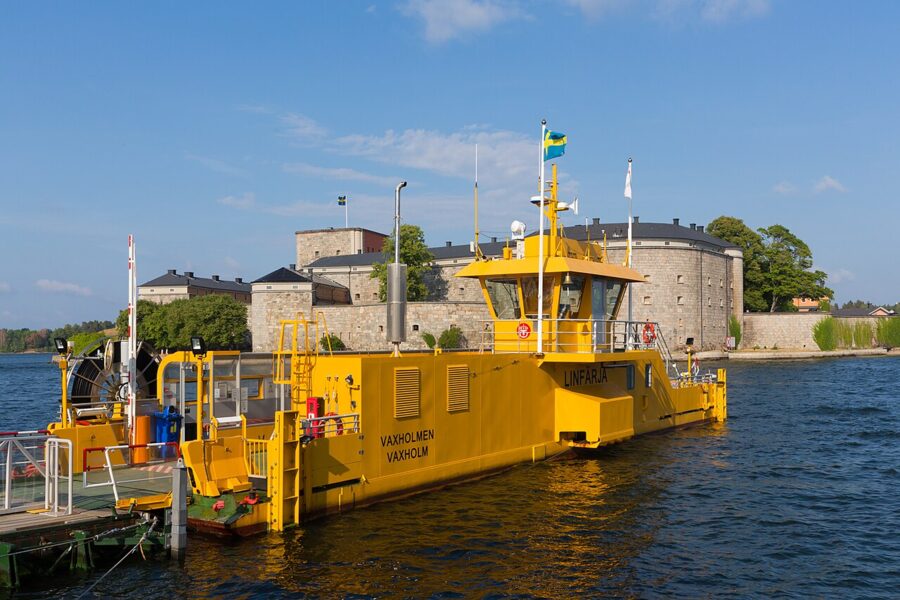
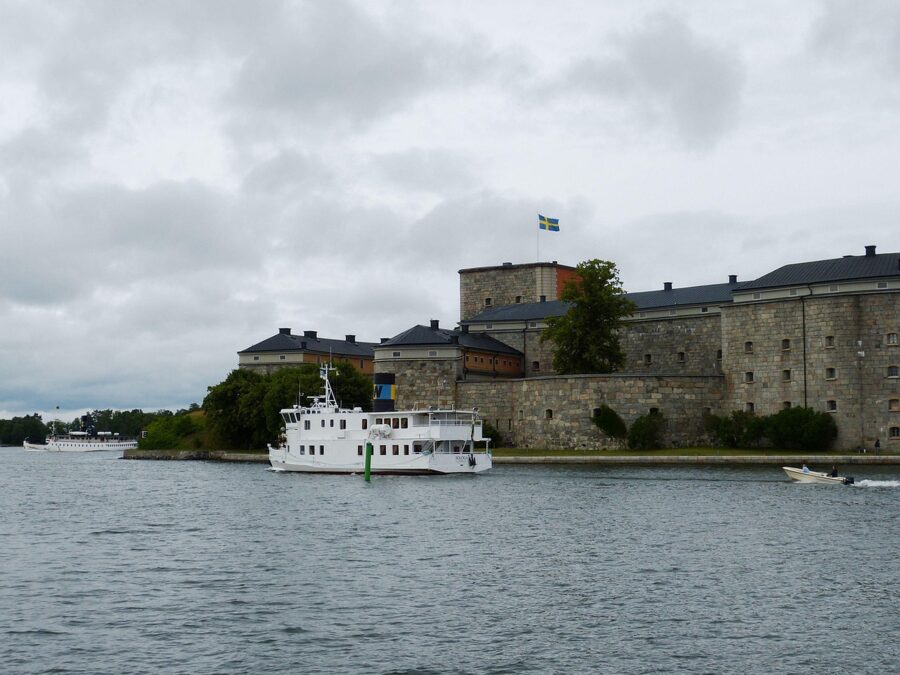
The town steps down to a working harbour in painted wooden houses, with a quarter of 19th-century villas with carved verandas and plenty of terraces for fried herring. Opposite, on its own islet, stands Vaxholm Fortress (Vaxholms kastell), first built under Gustav Vasa in the 1540s to guard the sea approach to the capital. A small cable ferry crosses in a couple of minutes. The fortress museum and most cafés are summer affairs; the town itself lives all year.
Grinda: the easy island
Grinda is the island Stockholmers take visitors to for a day. It is a nature reserve owned by Skärgårdsstiftelsen, the foundation that looks after much of the archipelago’s public land, so you can go almost anywhere on it. Waxholmsbolaget’s boats take about 1.5 hours from Strömkajen via Vaxholm, all year; the Cinderella reaches Södra Grinda in the same time.
Paths through pine wood and meadow link the two jetties, Norra and Södra Grinda. The Grindastigen loop, about 2.5 km, passes Klubbudden, the highest point. Swim by either jetty or from the smooth rocks at Källviken. Grinda Wärdshus has the restaurant, hotel rooms and the Grinda Sea Lodge hostel, Framfickan by the guest harbour serves drinks and simpler food, and there is a shop, a café and a tent site.
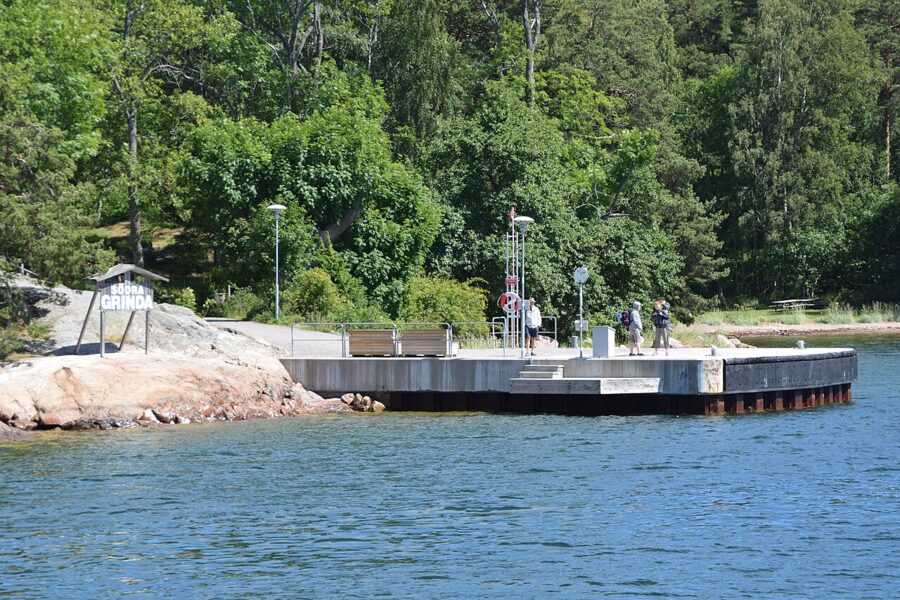
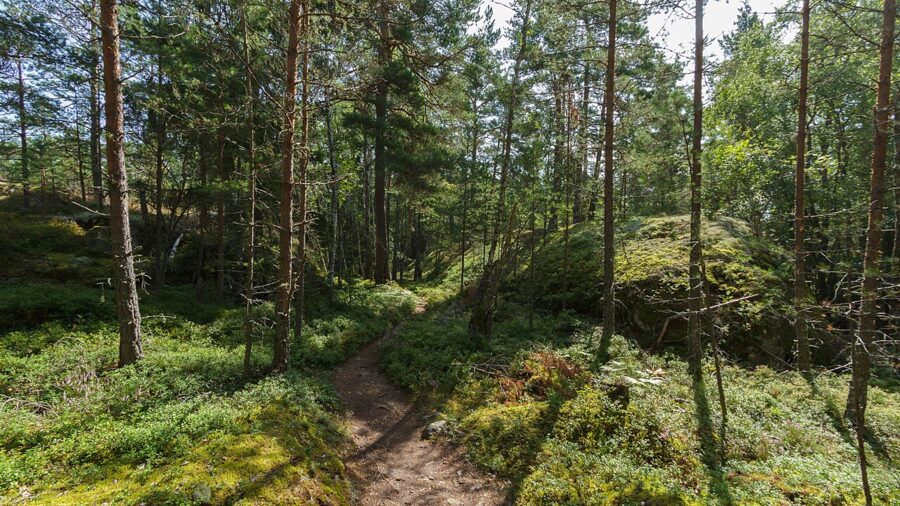
Over midsummer the inn sells only two-night packages, and fine July weekends are crowded. If that bothers you, go one stop further.
The middle archipelago: Svartsö, Gällnö, Finnhamn, Möja, Sandhamn and Nämdö
This is the archipelago most Swedes mean: lived-in islands with a shop, a school or a church, farms on the bigger ones, and far fewer day trippers. Most are two to three hours from Strömkajen, or less by bus and boat. Stay a night; the last boat to the city often leaves in the afternoon.
Svartsö
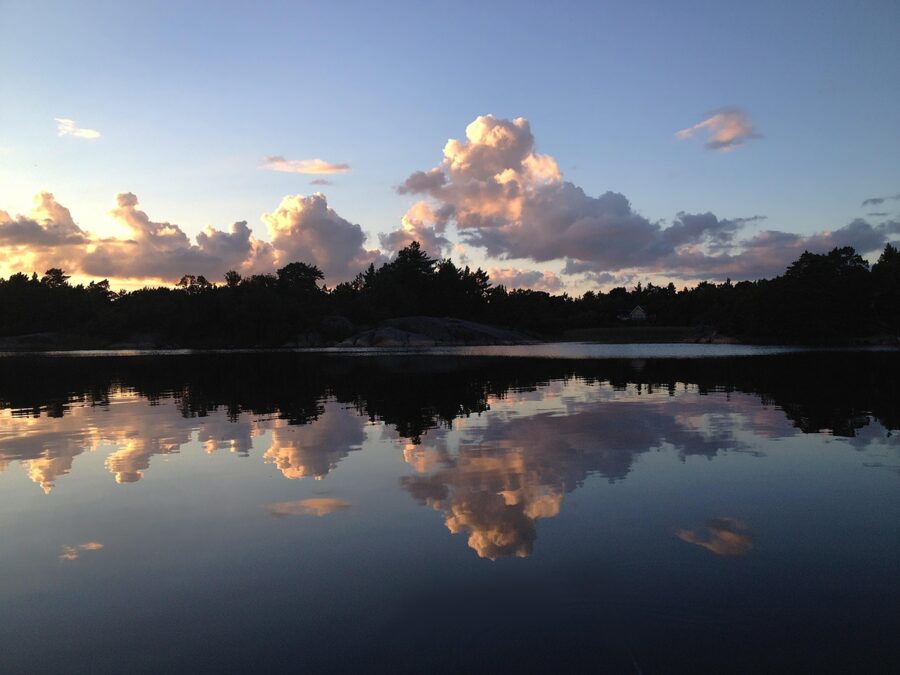
Svartsö is a large island lived on all year, more working place than resort. Boats from Strömkajen call at Alsvik, Skälvik and Söderboudd, two to two and a half hours out. By the Alsvik jetty are the shop and Svartsö Krog, and on the shore below are the canvas tents of Svartsö Logi, dinner and breakfast included.
For those tents and the ones on Fejan, Lidö and Nämdö, with prices and booking dates, see glamping in Scandinavia. Svartsö’s gravel roads suit a bike.
Gällnö and Finnhamn
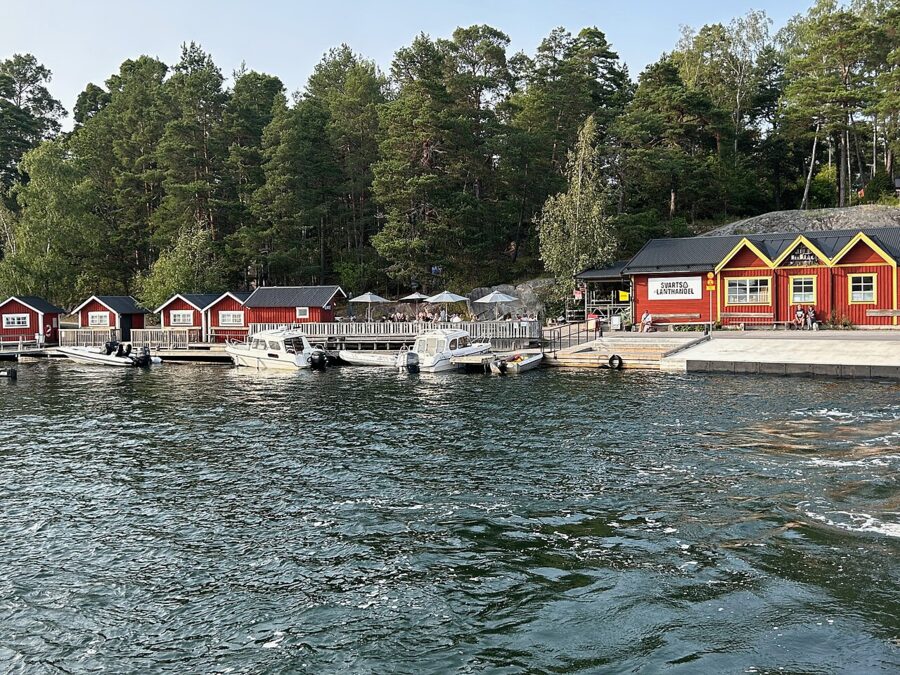
Gällnö is a farming island in miniature: red sheds and boathouses under old apple trees at Gällnö by, grazing animals, gravel tracks. The Cinderella takes 1 hour 45 minutes, and some Waxholmsbolaget boats run direct from Strömkajen. The village has a handelsbod with café and restaurant, and a hostel with cabins. Torsviken, a short walk away, has a sandy beach, a tent site and a pothole ground out by the ice sheet about 10,000 years ago.
Skärgårdsstiftelsen keeps rowing boats in the sound between Brännholmen and Karklö for its boat-hiking route (båtluffarleden). The rule: row across, tow back the boat waiting on the far side, then row across again, so one boat stays on each shore. It sounds fussy; it is why the system works.
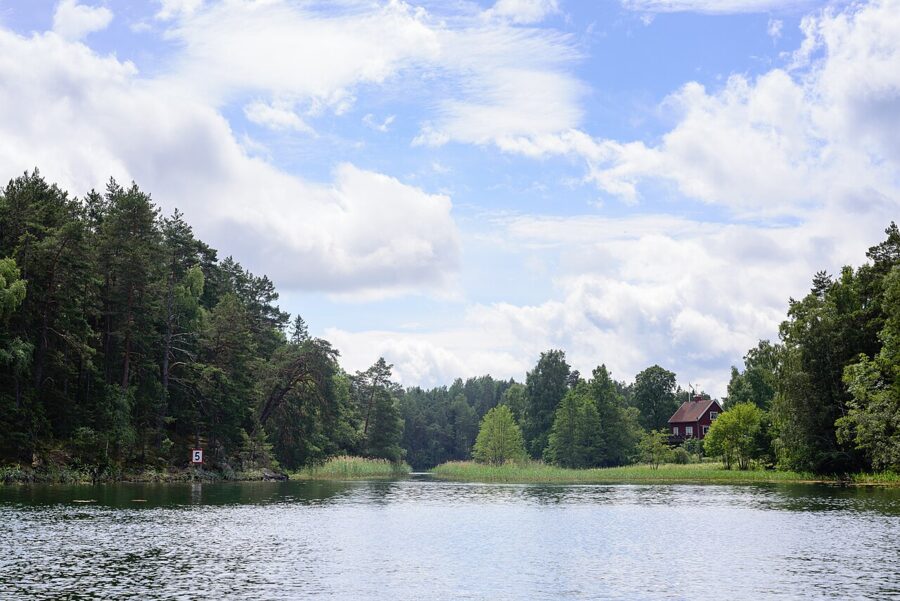
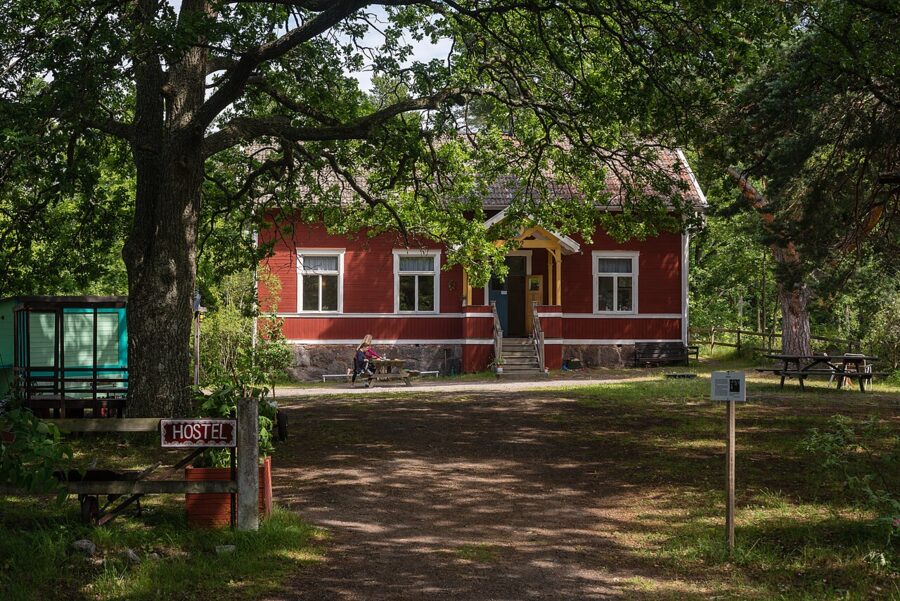
Finnhamn, further north, is one of the most visited islands and has the most to do. Waxholmsbolaget runs there all year; allow three hours or more from Strömkajen. Finnhamn has an STF hostel and cabins, a tent area, a sauna, a sandy beach, a summer krog with a roof bar and a farm shop at Idholmens gård. The Stockholm Archipelago Trail crosses it in a 10 km stage, and more rowing boats wait between Idholmen and Kålgårdsön for walkers heading to Ingmarsö.
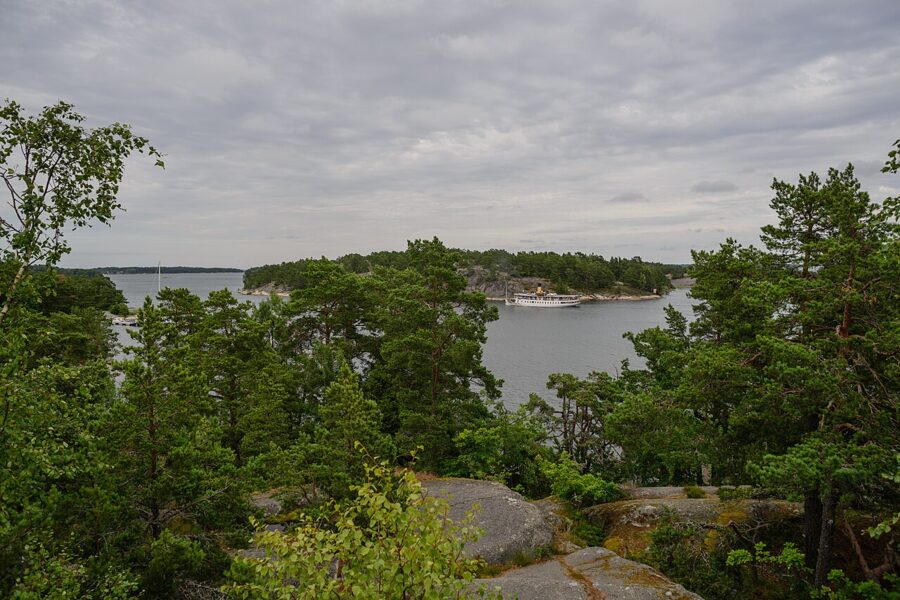
Möja
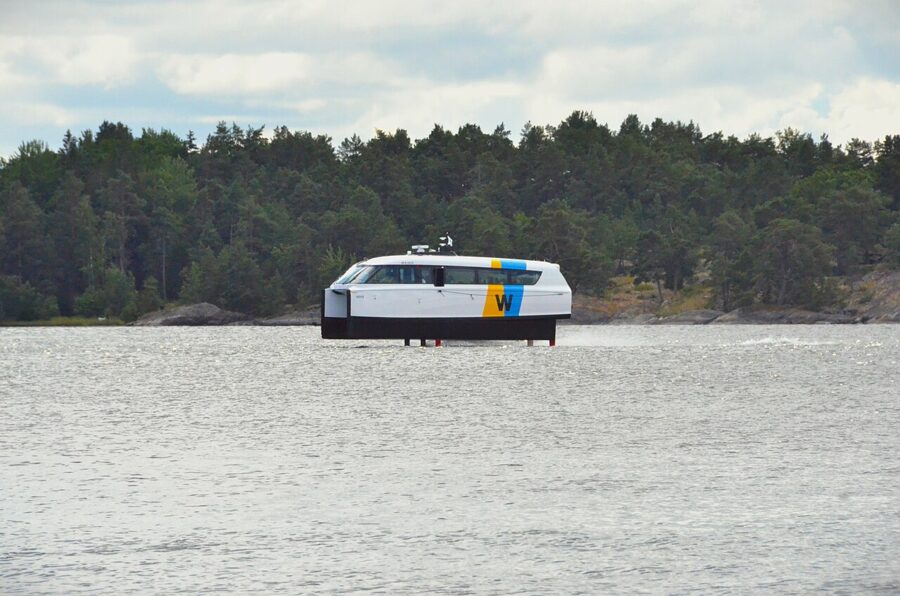
Möja is a string of villages (Berg, Ramsmora, Långvik, Löka) along one road, with fishing harbours, a church and a shop, and works for a day or several. Boats run all year from Sollenkroka and Boda on Värmdö, reached by SL bus from Slussen, and some go direct from Strömkajen. From the city allow 2.5–4 hours; from Sollenkroka 1–1.5 hours, less on the hydrofoil Nova to Berg. The main jetties are Möjaström and Berg, both in the south.
STF Möja, the hostel in Berg, opens from April to December, and Möja Värdshus & Bageri and Jeppes in Långvik are the places to eat. In winter, land at Möjaström and take the island bus. East of Möja, the Möjaskärgården is a maze of winding channels and skerries made for a kayak.
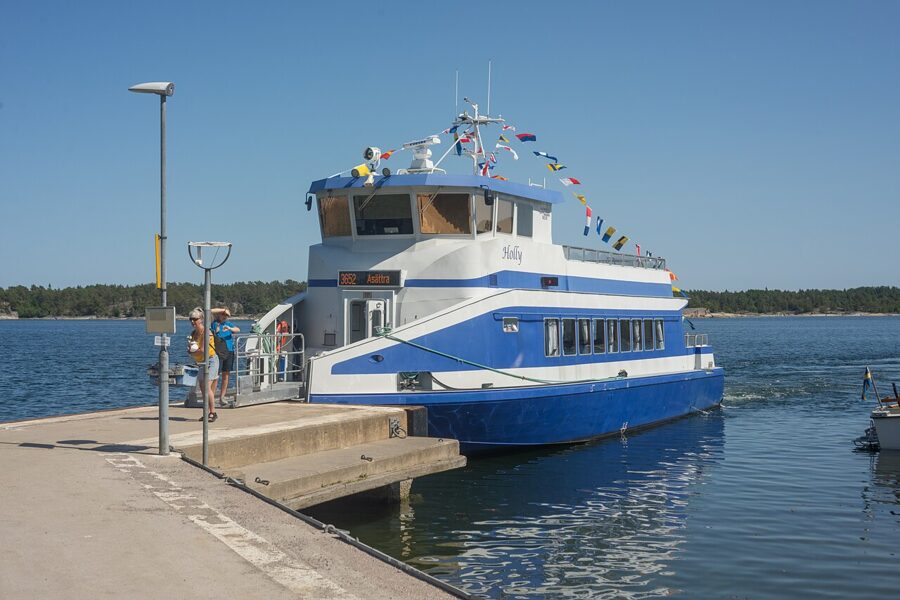
Sandhamn
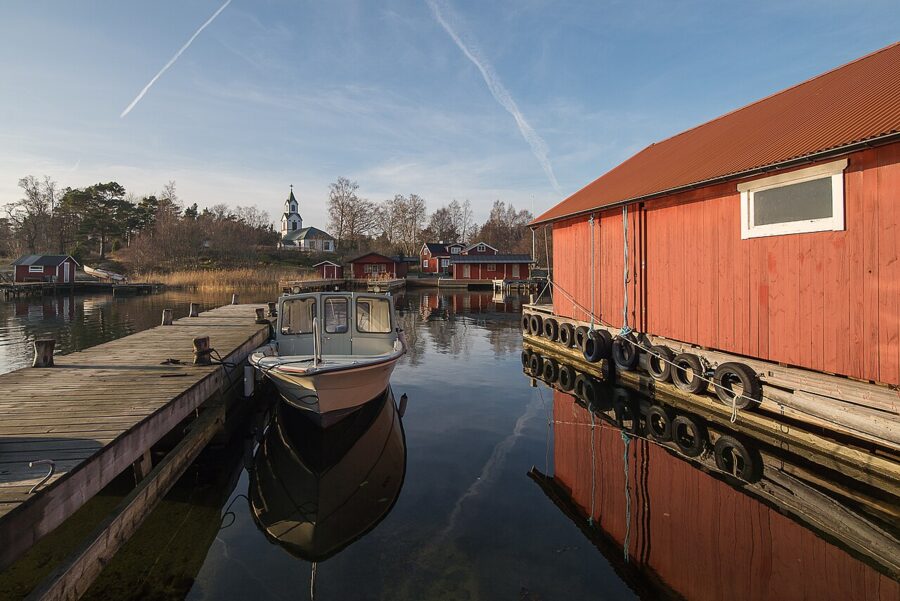
Sandhamn is the village on Sandön, on the edge of the open sea. It grew from the late 17th century around customs officers and pilots, filled with summer guests and sailors in the 19th, and is now the archipelago’s sailing centre, its harbour packed with yachts in July. The fastest way is the one the Seglarhotellet recommends: bus 433 to Stavsnäs vinterhamn, then a boat of 30 minutes to an hour, several times a day all year. In summer there are also direct boats from Strömkajen and the Cinderella from Strandvägen.
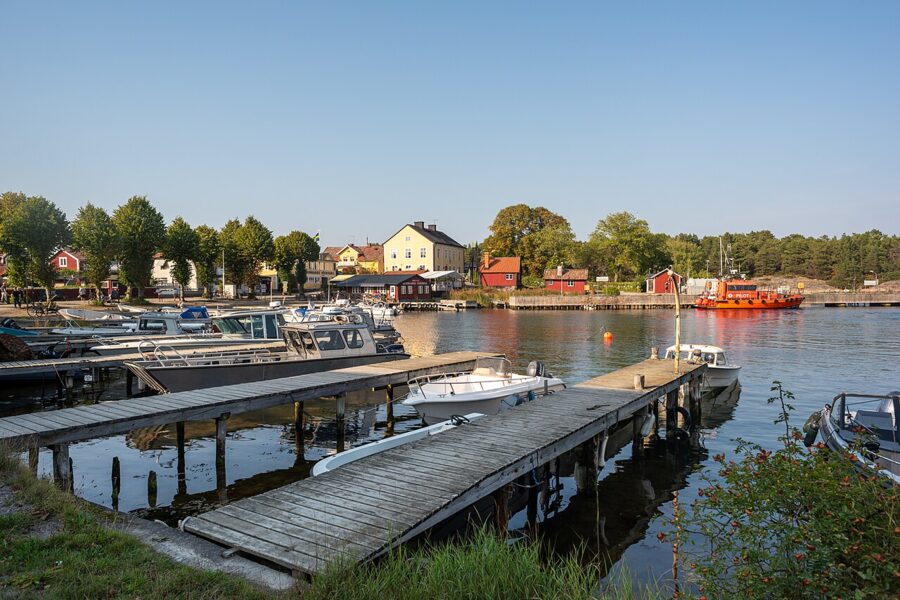
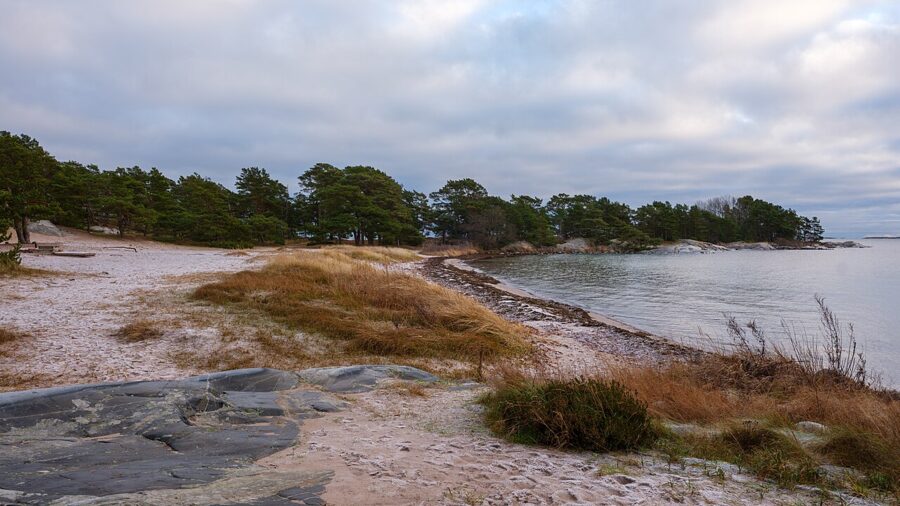
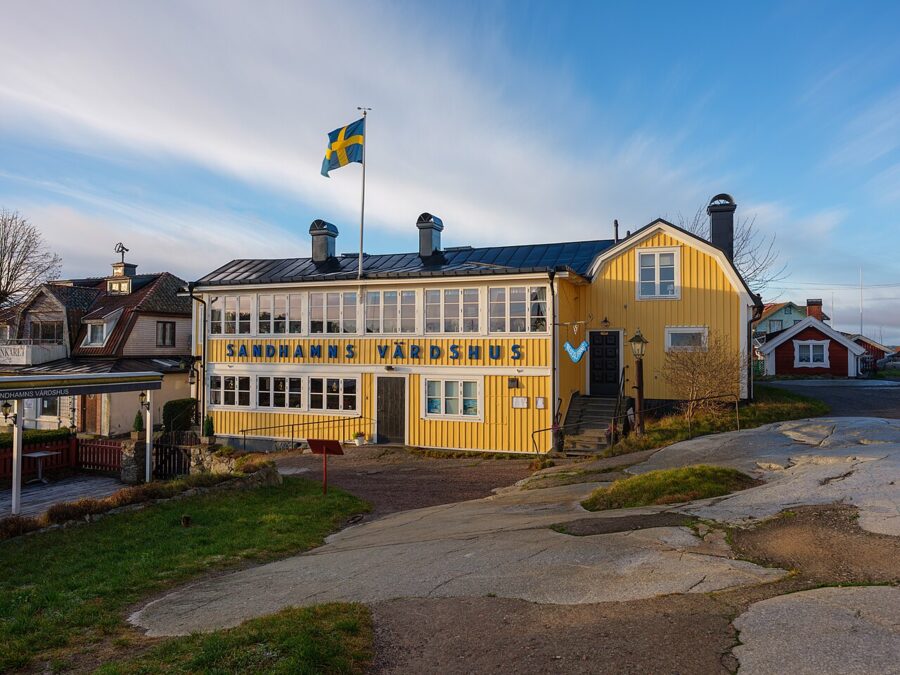
Behind the harbour is a tangle of lanes and wooden houses. Walk south through the pines to the sandy beaches that gave the place its name, Trouville the best known. Sandhamns Värdshus opens all year (daily from mid-June to mid-September, mainly at weekends otherwise), and the Seglarhotellet runs all year with a spa. Early boats reach Stockholm before 09:00, so a Sunday night here does not cost you Monday.
Nämdö
Nämdö is a large, car-free island east of Värmdö, partly nature reserve and still farmed, with villages, a church, a shop and a local museum. Boats run all year from Stavsnäs, three or four a day in summer, plus summer links from Stockholm and Saltsjöbaden. Solvik has the shop, café and summer restaurant.
The limestone flats at Östanvik are among the archipelago’s richest places for flowers, orchids included. Nämdö is the island I would pick for two quiet days with a bike.
The south: Utö, Ornö, Nåttarö and Landsort
The southern archipelago is reached by land first, through Haninge and Nynäshamn. It has the best sandy beaches and, Utö in July apart, a quieter summer than the north and middle.
Utö
Utö is the most complete island for a first night out: hotel rooms, a hostel, cabins, camping, restaurants, a grocery, bike hire and a guest harbour. The usual way is the commuter train to Västerhaninge, a bus to Årsta brygga and a 35–50 minute boat, seven or eight times a day in summer and less often otherwise. In summer boats also run from Strömkajen. Gruvbryggan is the main jetty.
Iron ore was mined here from the Middle Ages, and the pits, the miners’ houses in Gruvbyn and Sweden’s oldest surviving windmill are a short walk from the jetty. Gravel roads run the island’s length for cycling. Rävstavik and Barnens bad are shallow sandy beaches for children, and Ålö Storsand, on the island joined to Utö by a bridge, is one of the archipelago’s longest. Utö Värdshus is open all year, and Skärgårdsstiftelsen lets cottages by the week.
Ornö and Huvudskär
Ornö, one of the largest southern islands, is forest, small lakes and scattered farms, with a church above the water. Waxholmsbolaget’s lines from Dalarö serve both its eastern and western sides all year, and outside winter some continue to Utö. It has few facilities, which is the point: a day’s walking or paddling without a tour group.
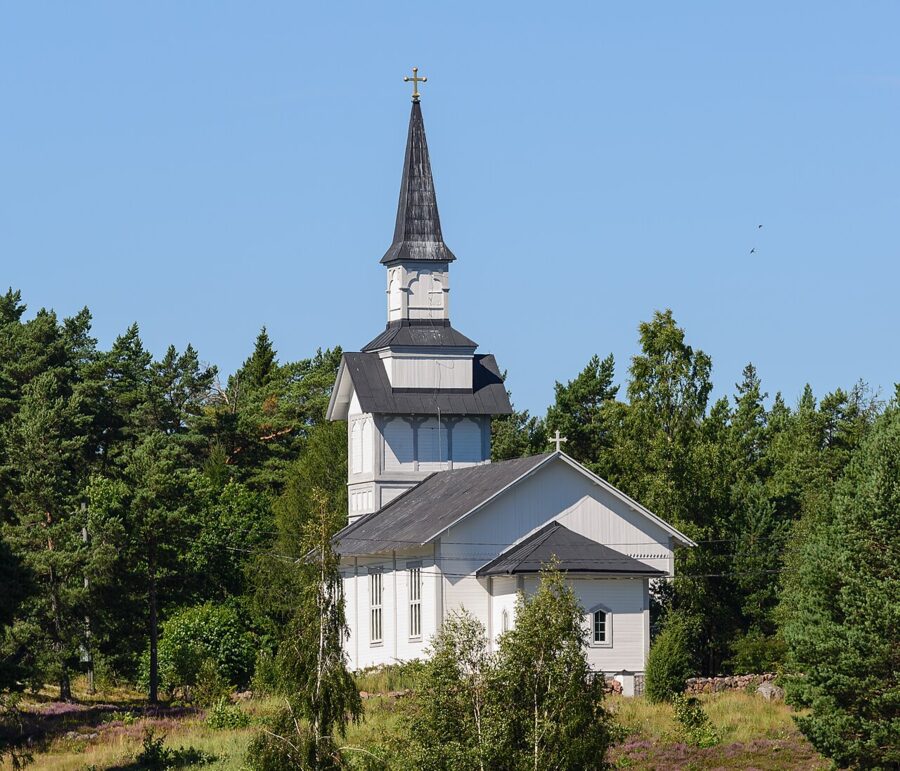
Further out, Huvudskär is nearly 200 islets around a lighthouse and an old pilot village, where Skärgårdsstiftelsen lets a hostel by the week in the summer half-year. There is no regular boat: come by boat taxi, your own boat or a seasonal trip from Dalarö.
Nåttarö
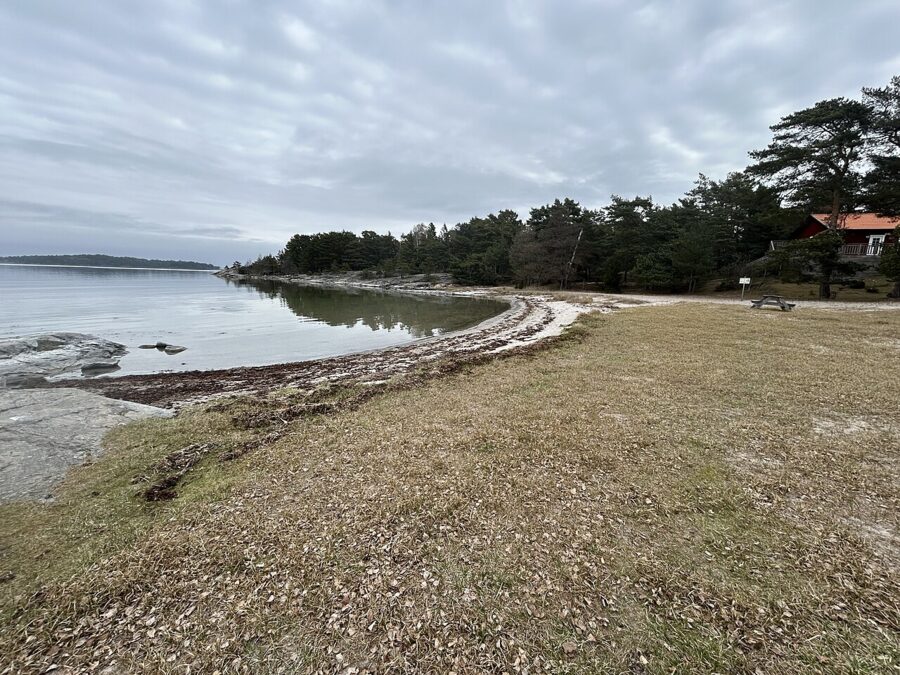
Nåttarö, between Utö and Landsort, is the beach island. Storsand on the east side is one of the longest sand beaches in the archipelago, with dunes behind. The boat leaves from Nynäshamn, a commuter-train ride from the city. By the jetty are the summer restaurant Nåttarö Krog and a snorkel trail with signs on the seabed, and there are cabins, a hostel and marked tent sites.
Landsort
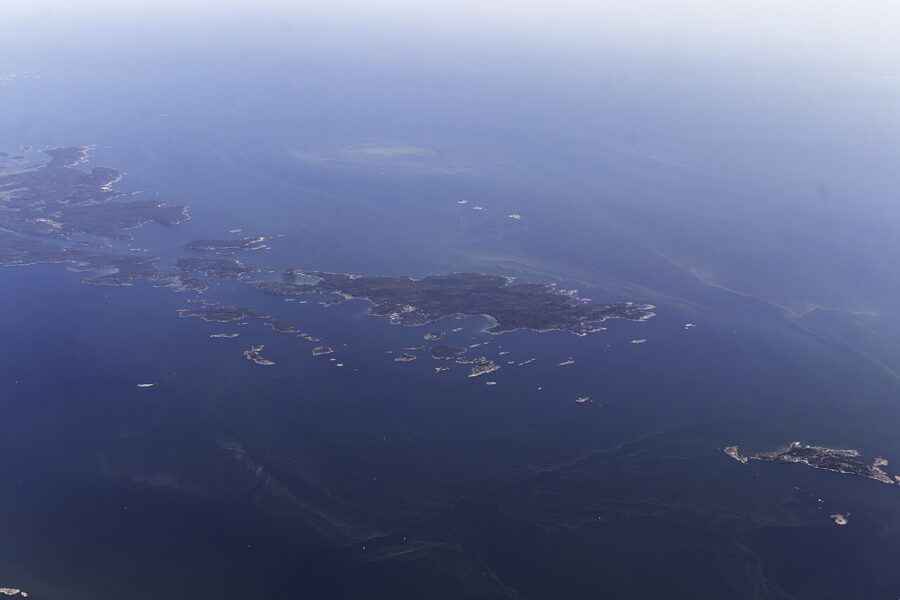
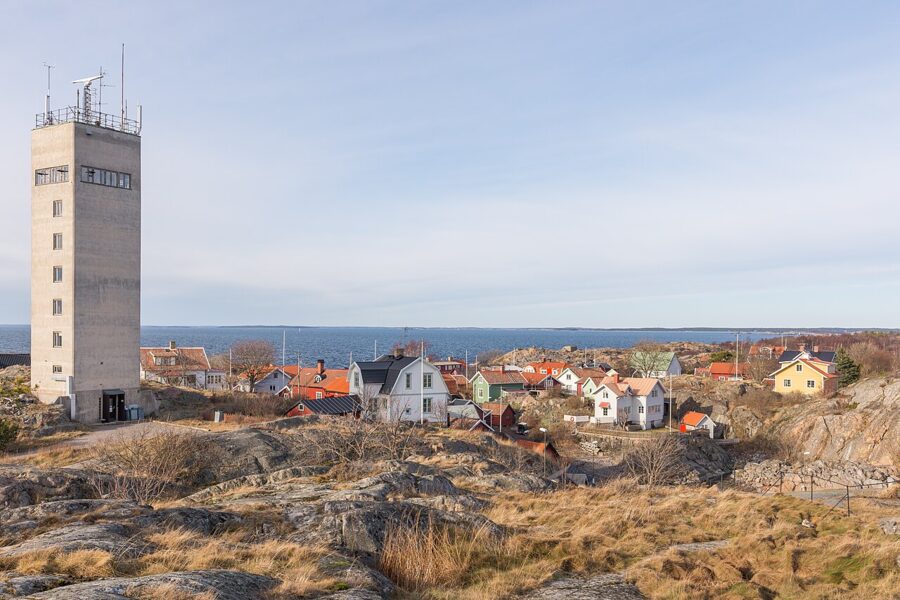
Landsort is the southern tip, on the island of Öja: about four kilometres long and 600 metres wide at most. The boat leaves from Ankarudden on Torö, reached by SL bus from Nynäshamn, and takes about 35 minutes; until June 2027 it uses a temporary berth some 30 metres west of the usual jetty. On Öja it calls at one of three jetties depending on the wind, so Waxholmsbolaget advises asking the crew where to wait for the return.
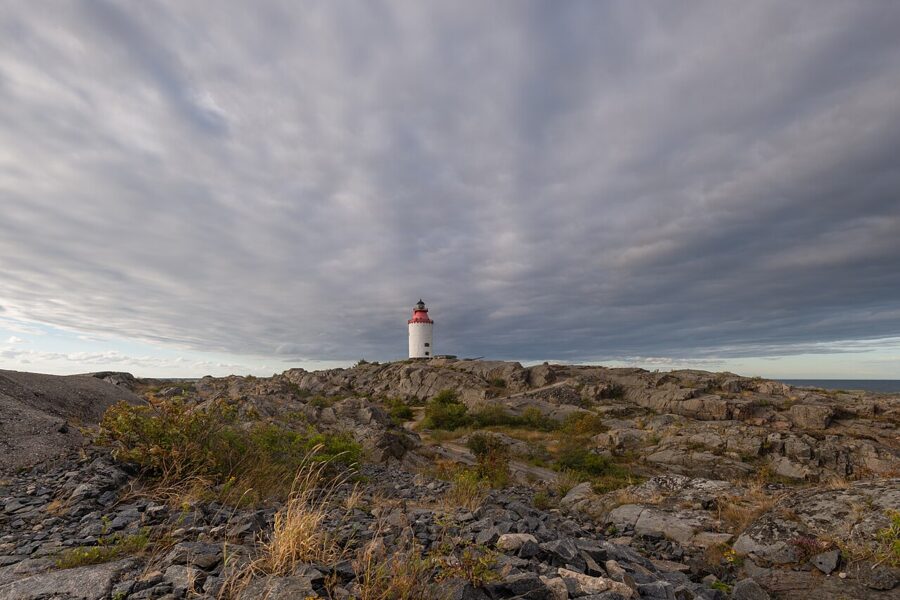
A path runs the island’s length past bathing rocks, a plague cemetery, a stone labyrinth and coastal artillery bunkers to the lighthouse. The village, Storhamn, sits around the old pilot station, and Lotstornet, with rooms in the former pilot tower plus cabins, takes guests all year. Landsort in a November gale is as good as in July, if you dress for it.
The far north: Arholma, Fejan and Lidö
The northern archipelago, off Norrtälje, faces the Sea of Åland. It is greener than you expect, with farms and leafy woods, and further in time: usually two buses and around two hours before you step on a boat.
Arholma
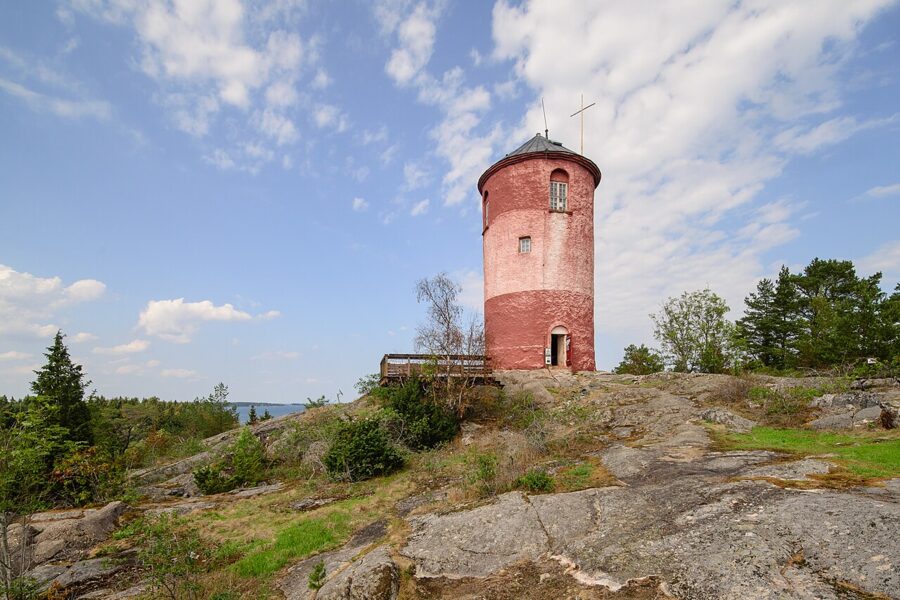
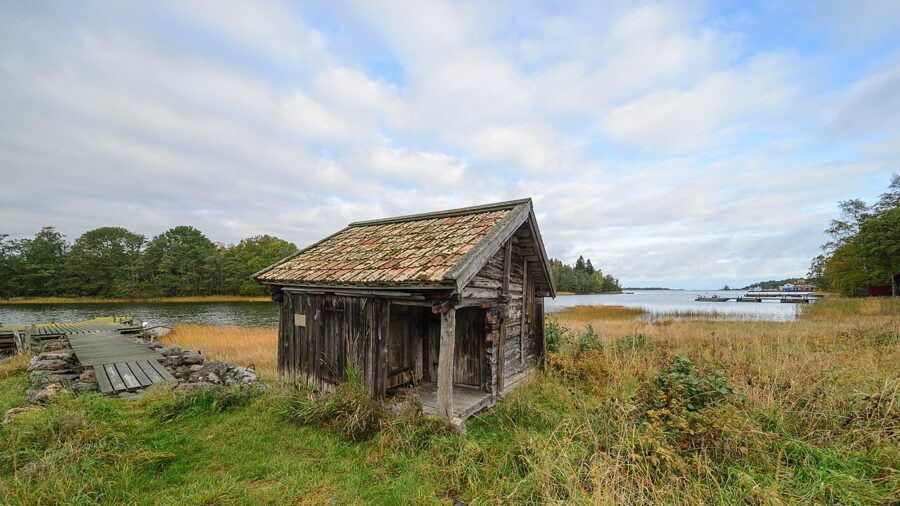
Arholma is a farmed island near the northern limit, with old Roslagen farmsteads and cattle-grazed meadows. Go by bus or car to Simpnäs and the short boat crossing, which runs all year; in summer boats also come from Stockholm. From Norra bryggan the village street passes the handelsbod (café, shop, bike hire) on the way to Arholma båk, an 18th-century seamark tower with a view over the northern archipelago.
Bull-Augusts gård, a historic farm, is a hostel. Arholma Nord, the former defence area, has another hostel, a café and Batteri Arholma, a once-secret coastal battery now a museum. The Stockholm Archipelago Trail starts on the island.
Fejan
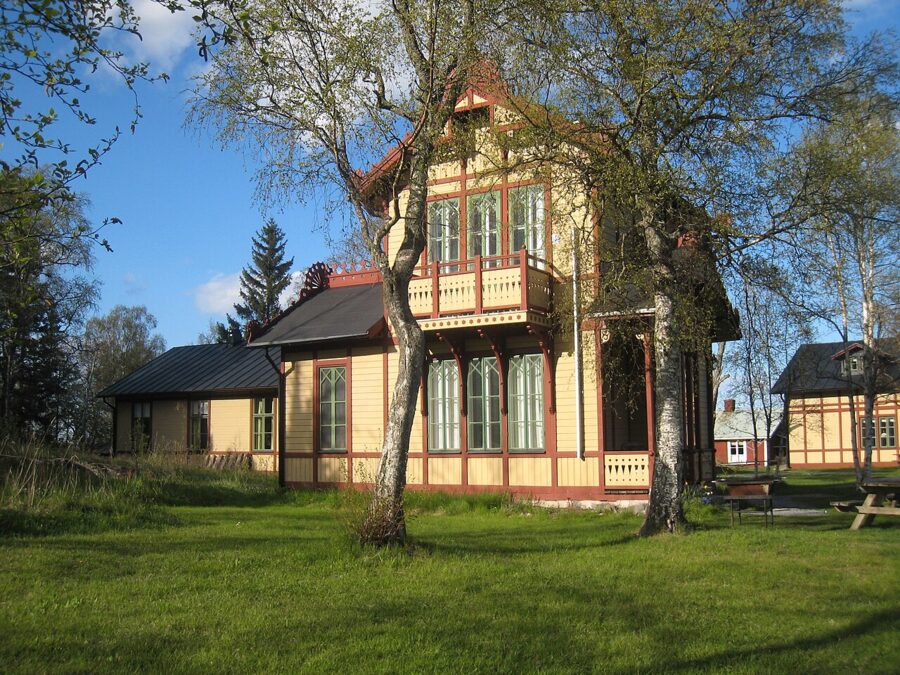
Fejan, just east of Räfsnäs, was a quarantine station for ships from the late 19th century, and its buildings still stand. The boat from Räfsnäs runs all year. Fejans Sjökrog by the jetty looks over the guest harbour, whose fee includes the sauna.
Fejan Outdoor, in the old gasworks, rents kayaks and runs the glamping tents in summer; it reopens in summer 2027. The hostel stayed closed through 2026.
Lidö
Lidö is a reserve of meadows, broadleaf woods and small coves, with a working farm and a trail stage. Boats cross from Räfsnäs all year, and in summer come from Stockholm with a change at Fejan. Lidö Värdshus, with 18th-century roots, has the restaurant, a hostel, cabins and tents, and reopens for 2027 at midsummer, on 25 June. Outside summer it takes groups only, so bring a packed lunch.
A day out or a night: inns, hostels, cabins and tents
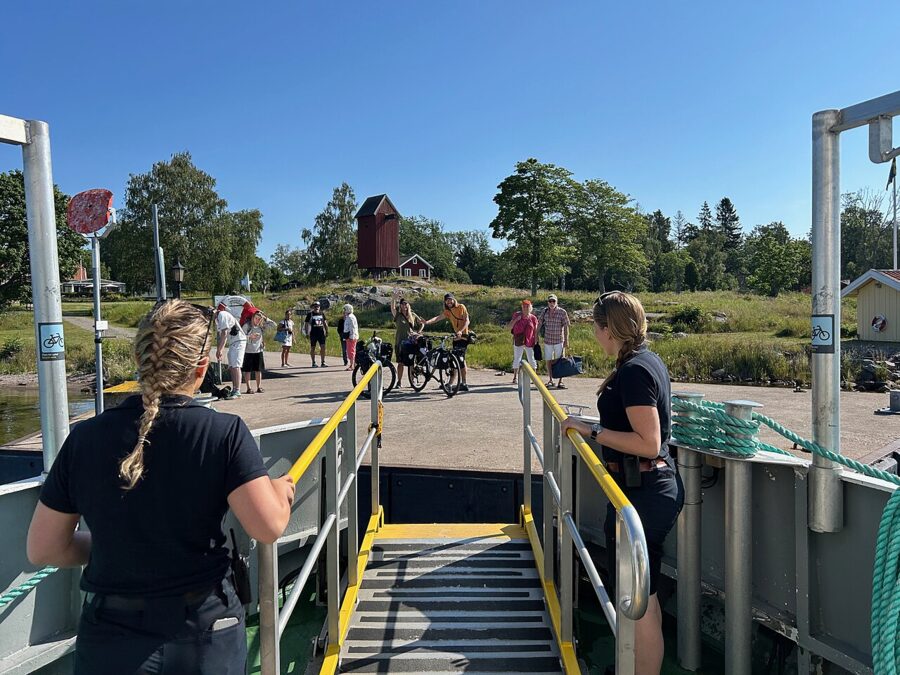
A day trip works for Fjäderholmarna, Vaxholm, Grinda, Gällnö and Sandhamn. Beyond those, travel eats the day, and the archipelago is at its best after the day boats have gone. Book June and July weekends well ahead; most islands have one or two places to sleep.
| Island | From | Time | Where to sleep |
|---|---|---|---|
| Vaxholm | Strömkajen | 1 hour | Hotels and B&Bs, all year |
| Grinda | Strömkajen | 1.5 hours | Inn, hostel, cabins, tent site |
| Svartsö | Strömkajen | 2–2.5 hours | Canvas tents (summer) |
| Gällnö | Strandvägen (Cinderella) | 1 hour 45 minutes | Hostel, cabins, tent site |
| Möja | Sollenkroka | 1–1.5 hours | STF hostel (April–December) |
| Sandhamn | Stavsnäs | 30–60 minutes | Inn and hotel, all year |
| Utö | Årsta brygga | 35–50 minutes | Inn, hostel, cabins, camping, all year |
| Landsort | Ankarudden | 35 minutes | Pilot tower rooms and cabins, all year |
| Lidö | Räfsnäs | Short crossing | Inn, hostel, cabins, tents (summer) |
The inns (värdshus) are the classic choice; Visit Stockholm’s list of archipelago stays starts with Sandhamn, Utö, Grinda and Hotel Furusund. They are not cheap, and in high summer many sell rooms only with dinner. Hostels are better value: STF Möja, Gällnö, Finnhamn, Bull-Augusts gård and Arholma Nord, or Huvudskär by the week. Skärgårdsstiftelsen also lets houses by the week on several islands.
Tents and the right to roam
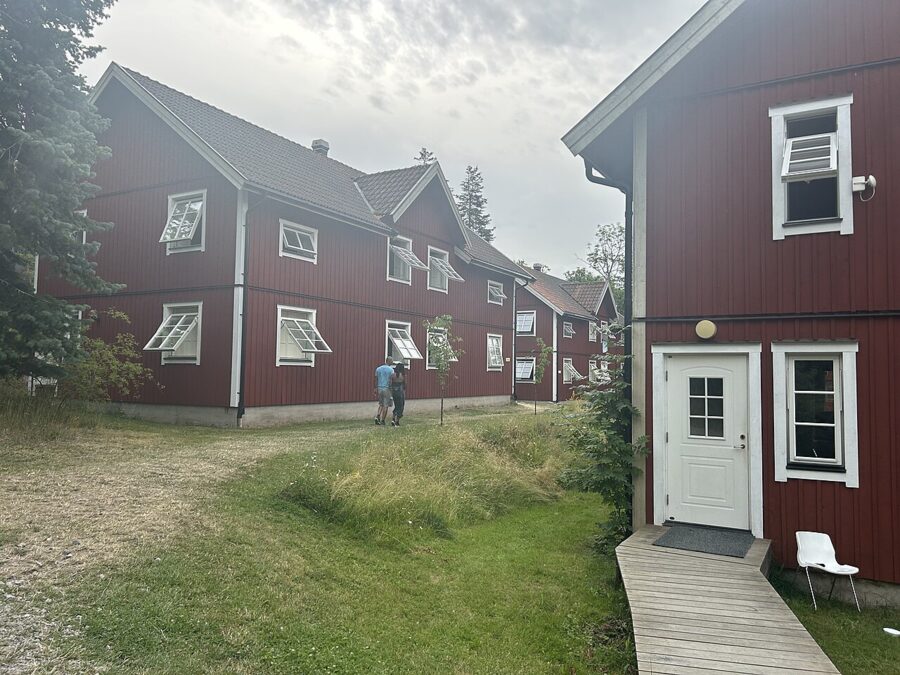
The right to roam (allemansrätten) lets you pitch a tent for a night or two on unfarmed land well away from houses. The Swedish Environmental Protection Agency’s camping rules keep it to two or three tents; a bigger group needs the landowner’s permission. In the archipelago much of the shore is private garden, where the right does not reach, or nature reserve. All Skärgårdsstiftelsen land is reserve, where camping is usually only at marked sites, as on Grinda, Gällnö, Finnhamn, Nåttarö and Nämdö.
Fire is the rule people get wrong. The right to roam gives no automatic right to light one, and in dry summers the county or municipality bans fires, sometimes grilling too. Use fixed fire places, check for a ban, and skip disposable barbecues, as Skärgårdsstiftelsen asks. On the water, the rules for boats and paddlers let you land and moor for a night on shores outside gardens, but bird and seal protection areas close to landing for part of the year, marked by yellow or red-and-yellow signs.
Swimming, kayaking, cycling and the trail
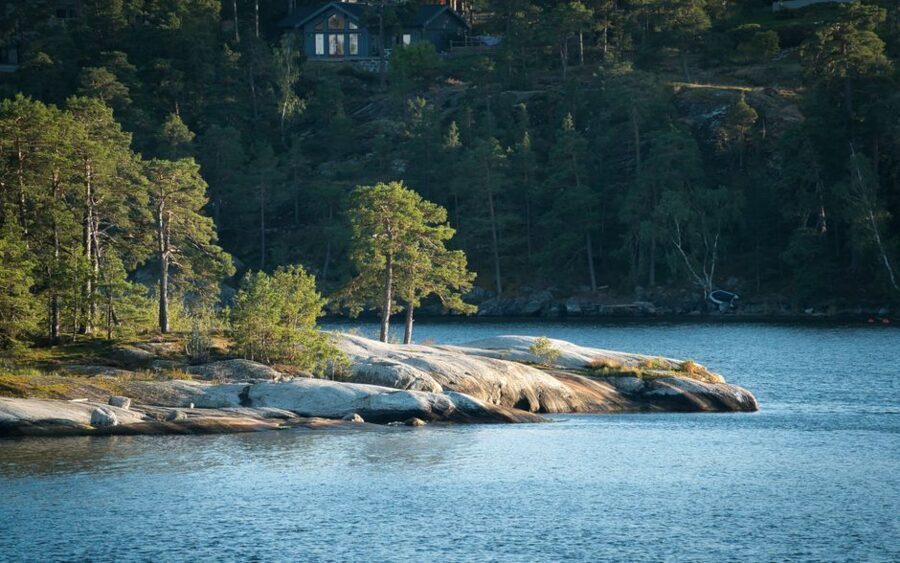
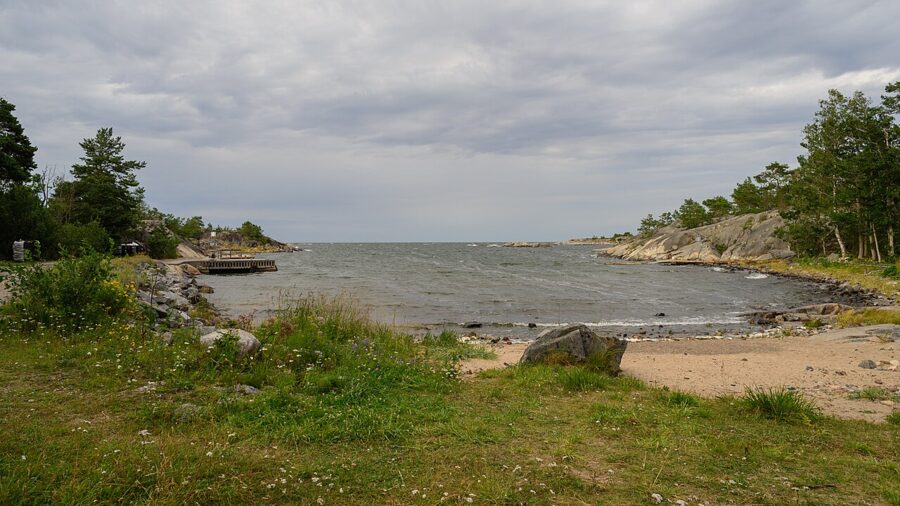
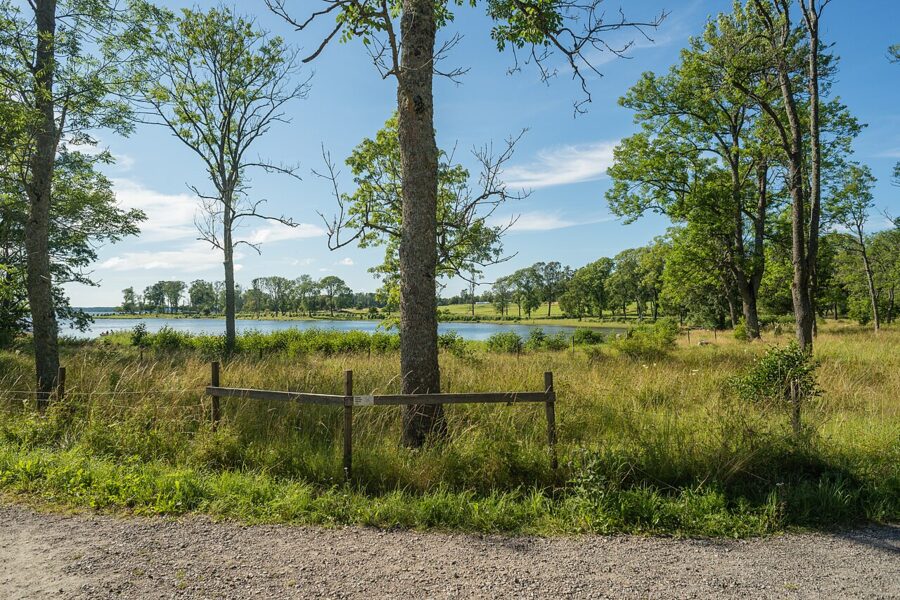
Swimming is from rock more than sand. The Baltic here is brackish and clear, and by late July sheltered bays can reach around 20°C; in June it is bracing. The sandy beaches are mostly in the south and on Sandön. Elsewhere, a smooth rock shelving into deep water is the real swimming spot.
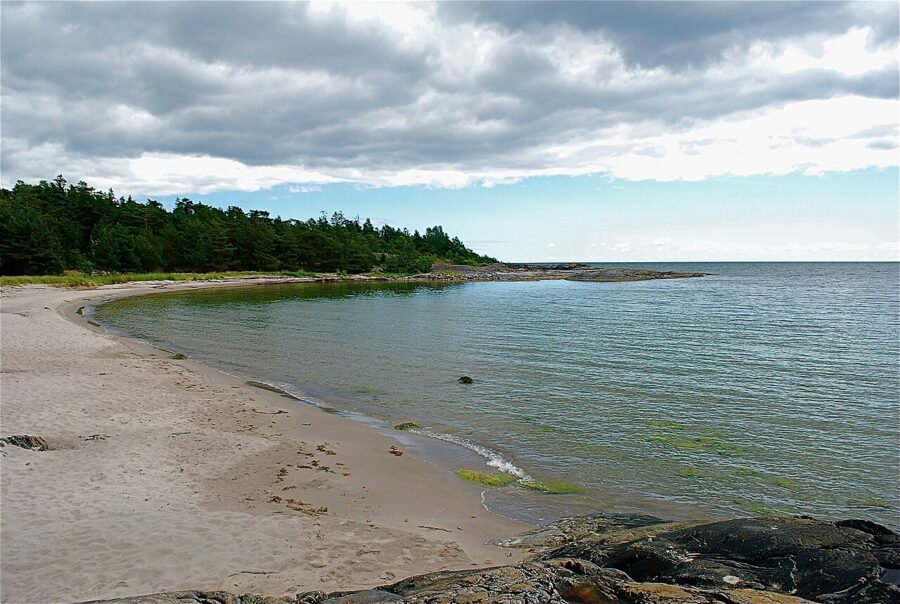
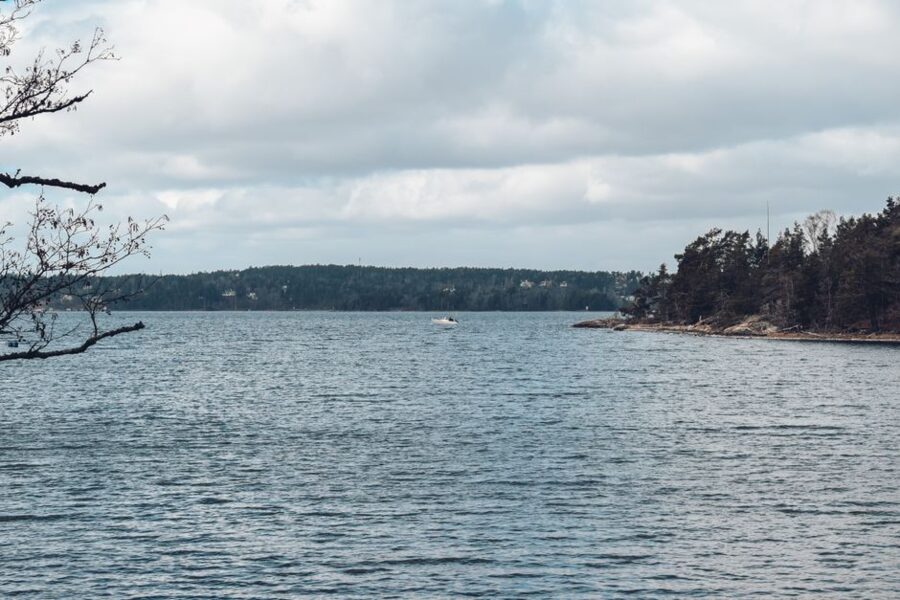
Kayaking suits the archipelago better than anything: sheltered sounds, islands close together, public shores to land on. Fejan Outdoor (in season) and Finnhamn hire kayaks. Do not cross the big open bays in a wind, and keep clear of the shipping lanes, where the ferries move faster than they look.
The Stockholm Archipelago Trail covers 270 km over 20 islands from Arholma to Landsort, every section reachable by public boat. You pick islands rather than walking it end to end: Grinda, Finnhamn, Sandön, Nämdö, Utö, Nåttarö, Lidö and Arholma all have stages. Off-season walking gets harder as the boats thin out.
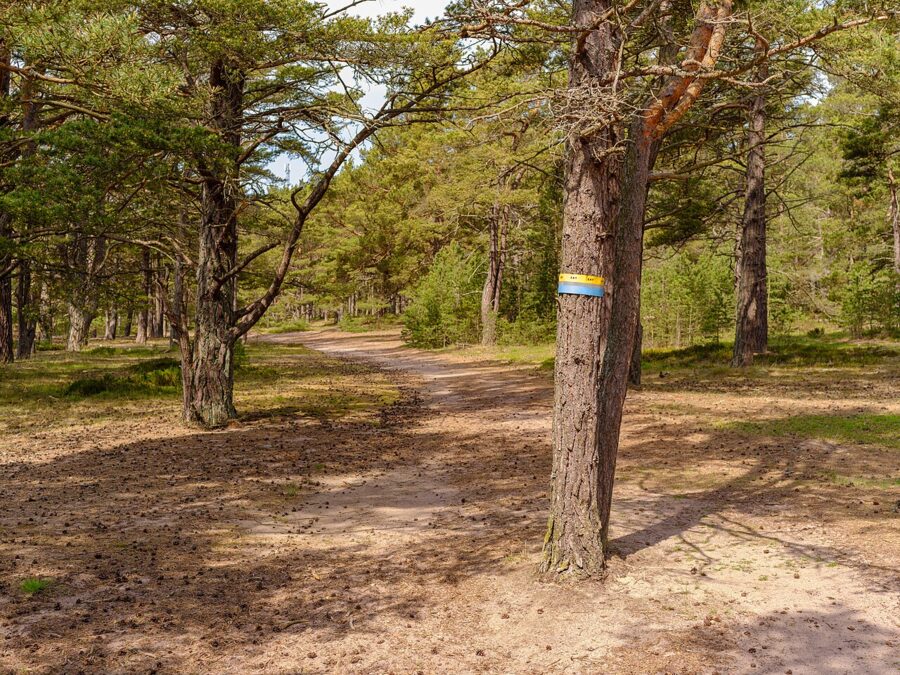
Cycling works on the bigger gravel-road islands: Utö, Svartsö, Nämdö, Möja, Ornö and Arholma.
The seasons
June to August
The summer timetables run from mid-June to mid-August, with the most boats and every inn and kiosk open. Midsummer weekend, in the second half of June, is the year’s busiest, and July, the Swedish holiday month, fills the guest harbours. The light is the reward: around midsummer the sun sets after 22:00 and the sky never goes properly dark.
May and September
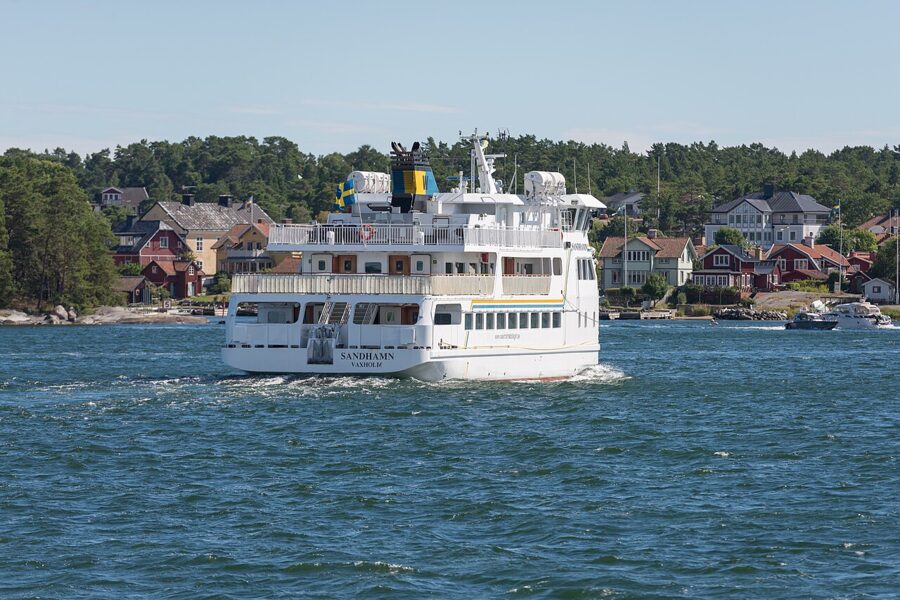
Many people who live here prefer the shoulders. The Cinderella runs from the end of April to the end of September (30 April to 27 September in 2026), Fjäderholmarna from early May to mid-September, and Waxholmsbolaget still reaches every island. Inns and cafés open at weekends rather than daily, so check before planning dinner. The sea is warmest in late August and early September.
October to April
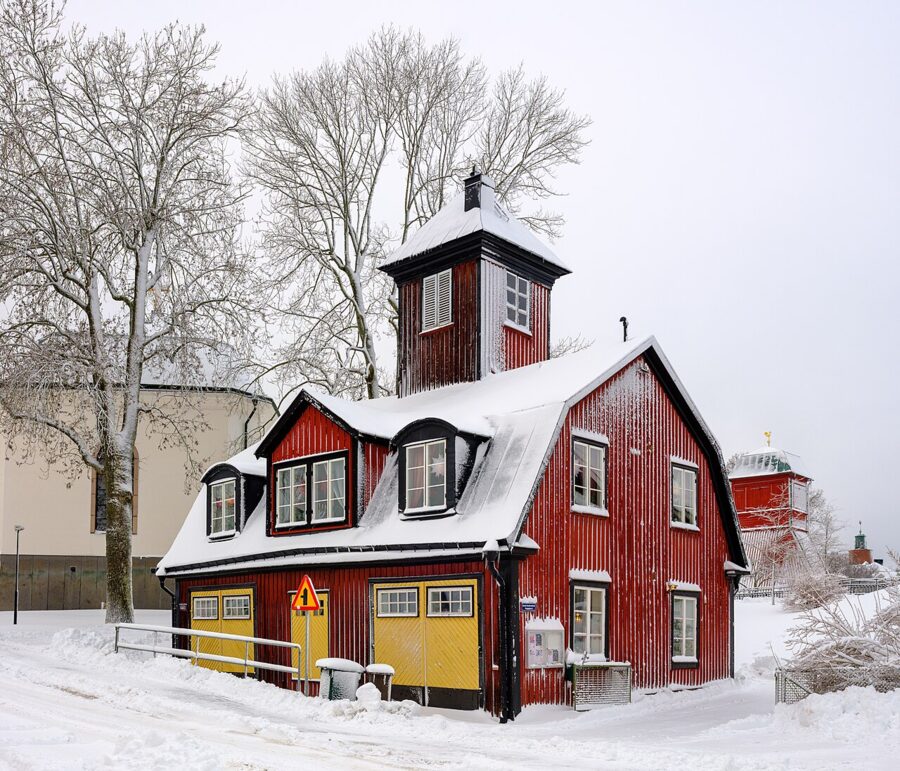
From mid-September an SL 30-day ticket covers the whole network, and the winter timetable from mid-December thins the service without stopping it. Most krogs, kiosks and hostels close; Finnhamn’s krog and Lidö Värdshus shut for winter, and Fejan Outdoor for the whole off-season. Open all year: Sandhamns Värdshus and the Seglarhotellet, Utö Värdshus, Lotstornet on Landsort, and Vaxholm. In a cold winter the inner channels ice over and the boats push through; stand on the aft deck for that.
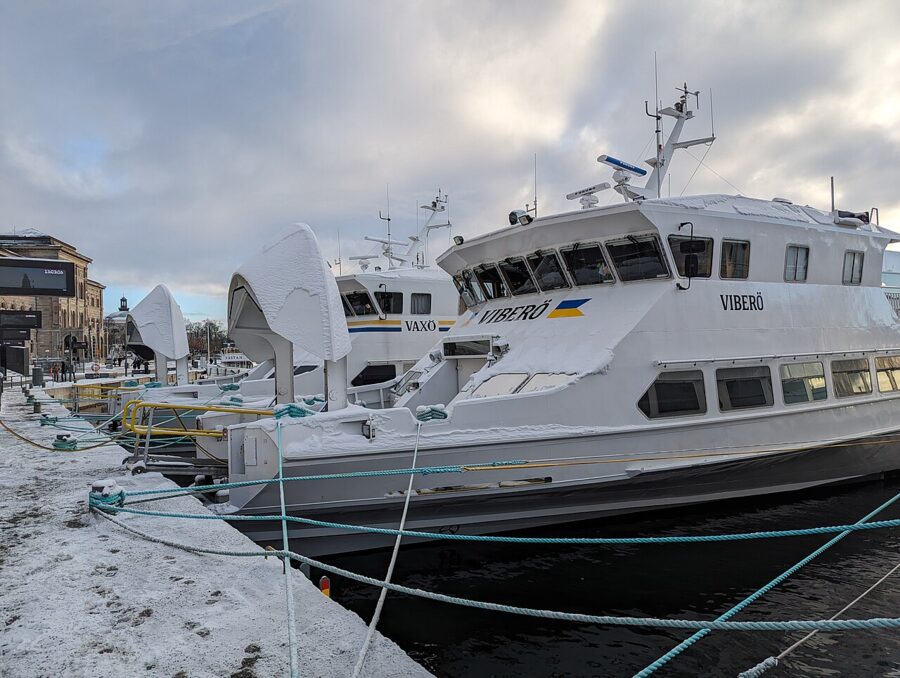
Back at Strömkajen, the boat for the middle archipelago pulls away from the Grand Hôtel’s quay, turns past Skeppsholmen and heads east. For the first hour it is all summer houses and flags. Buy the 5-day pass from the deckhand, stay on past Vaxholm and get off somewhere you have not heard of; the boat back will be there tomorrow, at a time printed on the board at the end of the jetty.