
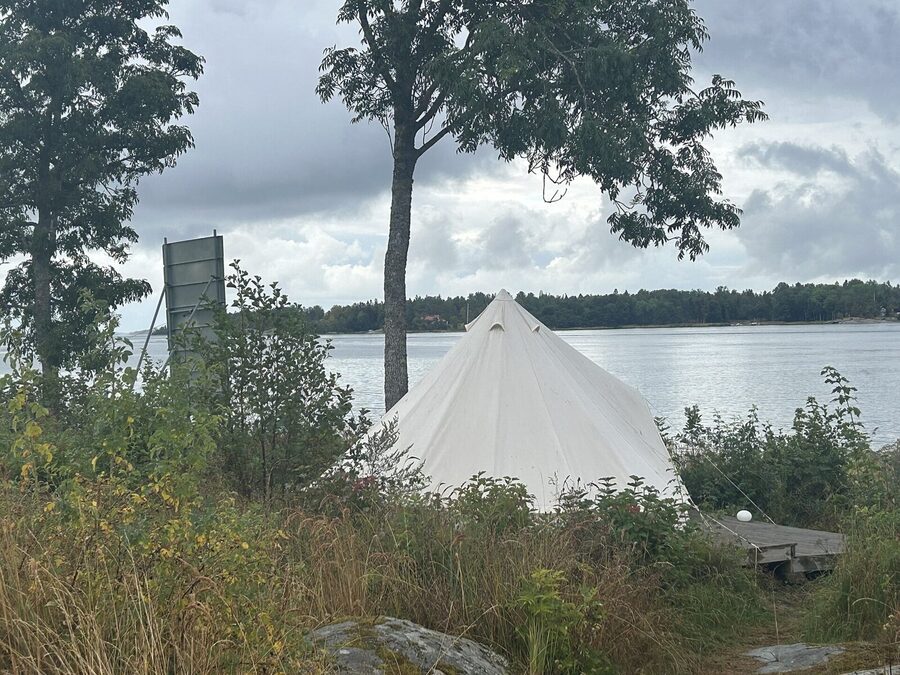

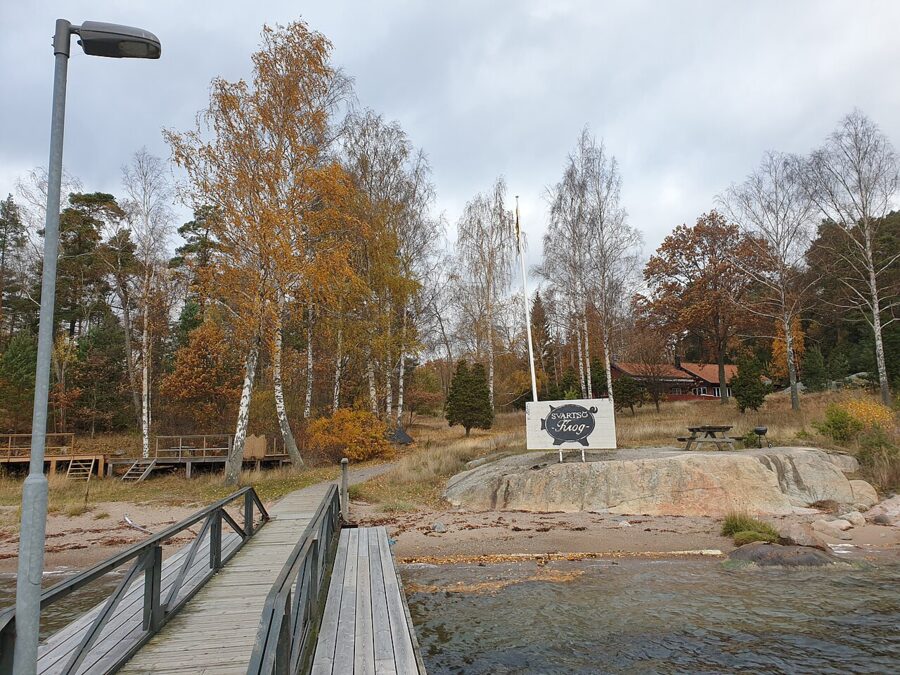
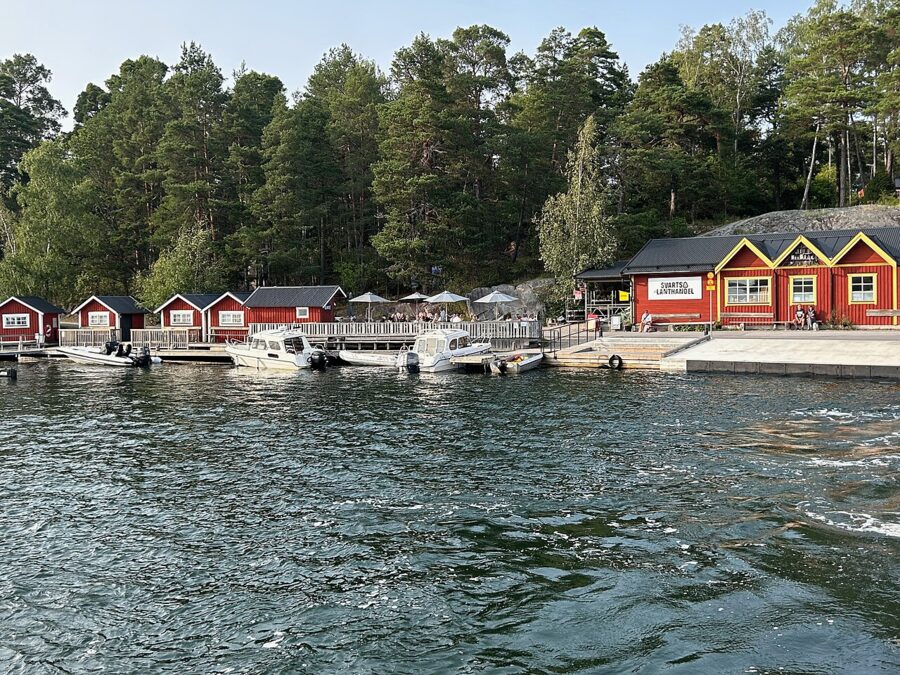
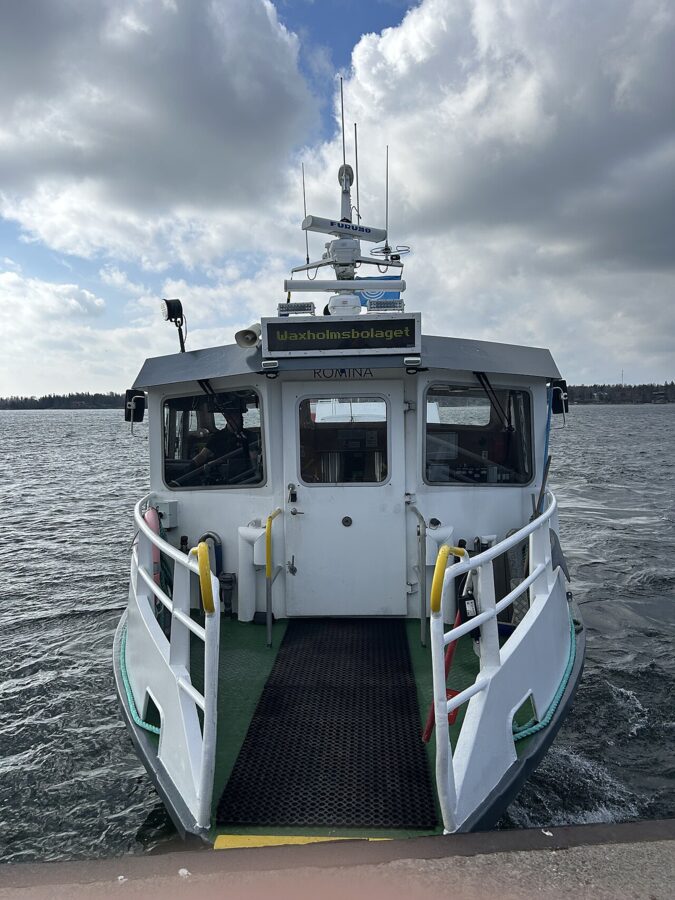
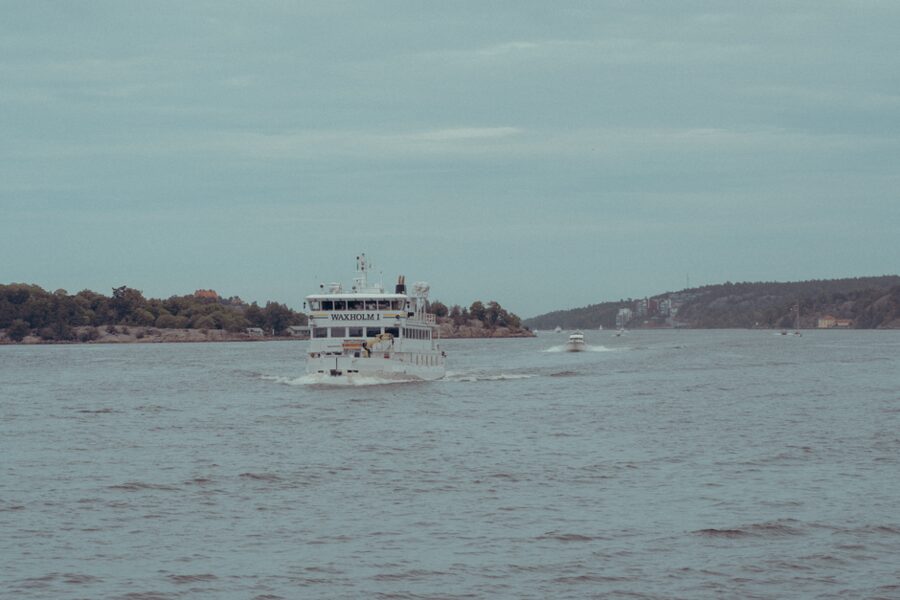
The Waxholmsbolaget boat leaves you on the jetty at Alsvik on Svartsö, and the walk to bed is 200 metres. The tent stands on a timber deck with its own small terrace, five to ten metres from the water, made up with down duvets and sheepskins. Dinner is five courses in the restaurant up the path, breakfast comes to the tent in a basket, and the last boat back to Stockholm has long gone.
That is glamping in Scandinavia at its best: a real bed under canvas, timber or glass, in a place you would otherwise reach with a rucksack and a sleeping mat. Across Norway, Sweden and Denmark it comes in four main forms. Canvas tents on the Stockholm archipelago islands, tipis and forest rooms in the Swedish woods, architect-built treehouses in Lapland, Hardanger and Denmark, and glass-roofed huts in the Arctic for watching the northern lights from the pillow.
The season splits cleanly. The tents run from late May to mid-September, a few from late April, and the best ones are full long before summer. The treehouses, the heated yurts and the glass huts open all year, and the Arctic places do their real work in the dark months, when the aurora shows. Expect to pay roughly SEK 2,300–5,300 a night for two in an archipelago tent, often with dinner, and from SEK 6,100 at Treehotel.
Most of the places below work without a car. The archipelago tents are reached by the ordinary passenger boats from Strömkajen in central Stockholm or from a jetty at the end of a bus route. Treehotel sends a transfer to Boden station, the Bornholm treehouses are a ferry and a bus from Copenhagen, and the glass huts near Senja have an express boat from Tromsø stopping five minutes’ walk away.
What glamping means here, and what the money buys
Start with what it replaces, because in Sweden and Norway sleeping out costs nothing. Under the Swedish right to roam, the allemansrätten, you may pitch a tent for one or a few nights almost anywhere outside gardens and farmland, with consideration for whoever owns the land; nature reserves and national parks have their own rules. Norway’s allemannsretten works much the same way on uncultivated land. Denmark’s right is far narrower, and the state forest agency compensates with free primitive sites and shelters.
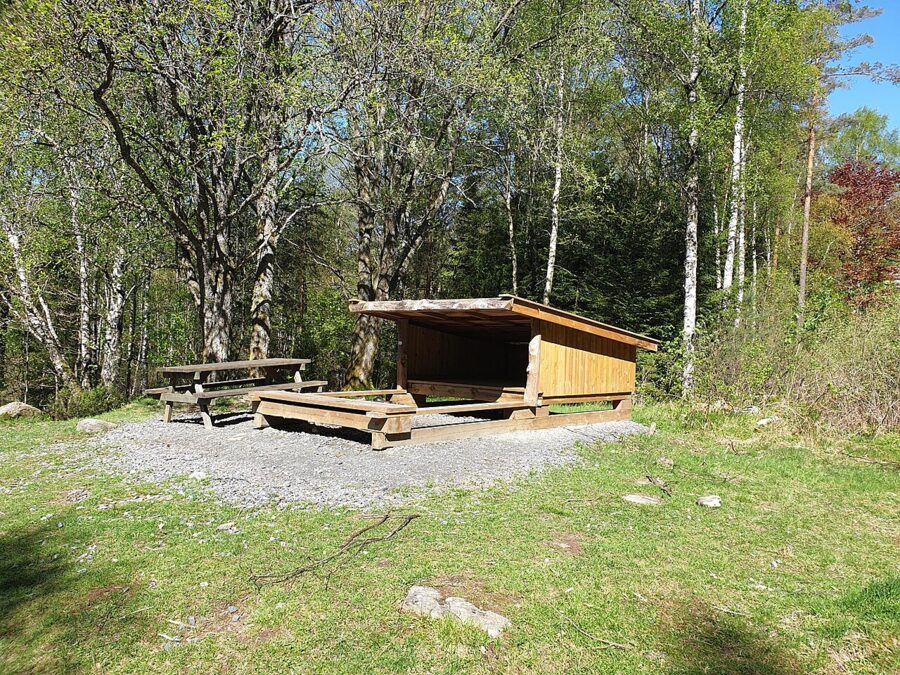
So the money buys four things the free version lacks. A proper bed with linen, warmth (a wood-burning stove, an electric heater or an insulated wall), food you did not carry, and a spot that is usually better than anything you could legally pitch on: a private rock above the sea, a pine with a staircase, a glass roof facing north. On the islands it also buys the evening, after the last boat.
What it often does not buy is plumbing. Fejan has outhouses, Svartsö Logi has no showers at all, and Treehotel and the Senja glass huts use incinerating toilets. If you need your own shower, the treehouses at Odda and in Denmark have one; the canvas tents almost never do.
Here is how the prices compare, from the operators’ own pages for the 2026 and 2027 seasons. Per night for two unless stated, before extras.
| Place | Where | What you sleep in | Season | From |
|---|---|---|---|---|
| Svartsö Logi | Stockholm archipelago | Canvas tent, dinner and breakfast included | Mid/late May–mid/late September | SEK 4,900 |
| Lidö Värdshus | Northern Stockholm archipelago | Canvas tent, breakfast buffet included | Midsummer–early August | SEK 2,295 |
| Nordic Woods | Åsnen, Småland | Tipi, weekly stays | 29 May–4 September 2027 | EUR 590 per person |
| Treehotel | Harads, Swedish Lapland | Tree room, breakfast included | All year | SEK 6,100 |
| Camp Adventure | Zealand, Denmark | Heated yurt | All year | DKK 3,100 |
| Tiki Camp | Langeland, Denmark | A-frames, tents and cabins | Check dates when booking | DKK 1,050 |
| Attme Have | Dyrøy, near Senja | Glass-roofed hut | All year | NOK 2,095 |
The Stockholm archipelago: tents at the water’s edge
The archipelago is, to my mind, the strongest single region for glamping in Scandinavia. The pattern is the same on every island: a handful of tents, an inn that feeds you, a passenger boat, and a season that opens around the end of May.
Svartsö Logi, Svartsö
Svartsö is one of the larger islands in the middle archipelago, with farmland, meadows and two inland lakes, and a quiet road worth a hired bike. Svartsö Logi began in 2014 with a single tent for diners at Svartsö Krog who wanted to stay after the last boat, and it has grown to five, which the owners intend to keep. Each tent sits on a deck facing the sea, with real beds, down duvets, lanterns and a small electric heater for cold nights.
You do not book a bed, you book a package. In 2026 it cost SEK 4,900–5,300 a night for two in a double tent, or SEK 2,450–2,650 per adult, with a five-course seasonal dinner at Svartsö Krog and a breakfast basket at the tent next morning. Two or more nights in a row take 15 per cent off. Children who need their own bed pay SEK 950; the owners say plainly that small children may enjoy a five-course dinner less than you will.
There are no showers. You swim from the rocks in front of the tent, with saltwater soap and shampoo provided, and use the restaurant’s toilets, open all night. The restaurant cannot serve alcohol at the tents, so bring your own bottle; they will lend you glasses and an ice bucket. Check-in is from 15:00 and check-out at 11:00.
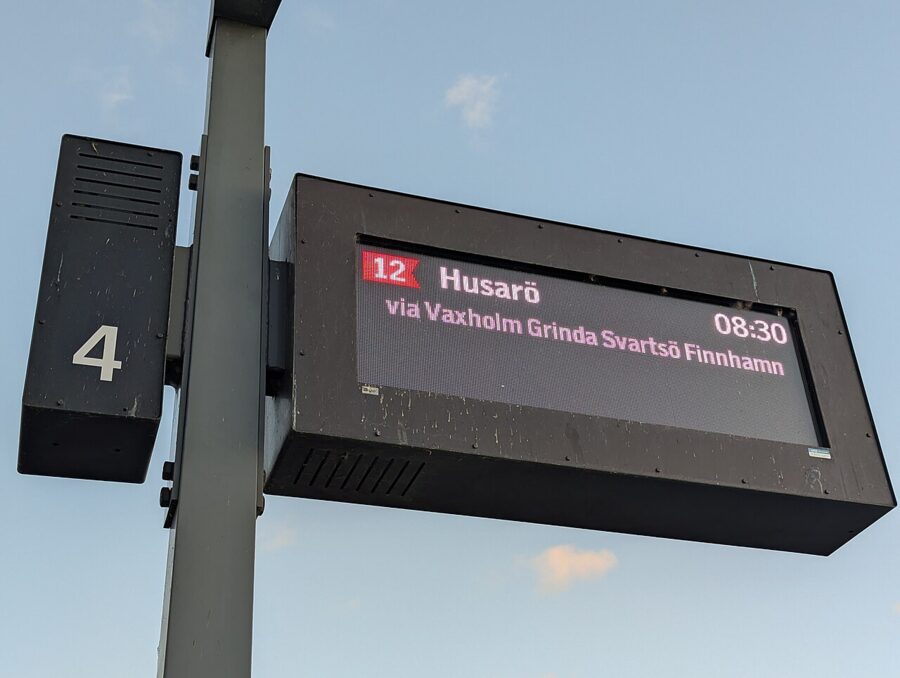
The boat is Waxholmsbolaget’s from Strömkajen, 1.5–2.5 hours depending on the route, to Alsviks brygga. Booking for the season opens on 1 February on the operator’s site, the season runs from mid or late May to mid or late September, open at weekends at either end and daily in high season, and there is no waiting list. Large parts of the summer are often gone by May.
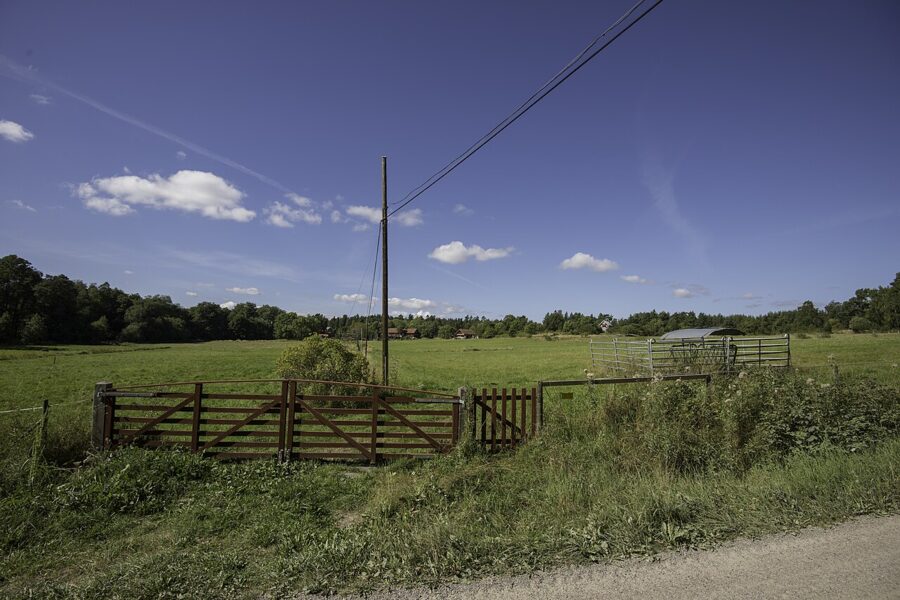
Fejan, and what it offers today
Fejan lies in the northern archipelago off Rådmansö, at 59.74550, 19.16333, and has been one of the best-known glamping islands in Sweden for years. Today it runs as Fejan Outdoor Glamping: six tents, four for two people and two for four, each with its own wood-burning stove and beds made up with hotel linen. Dinner, a breakfast buffet and the wood-fired sauna are included, and an extra mattress costs SEK 595 with the same meals.
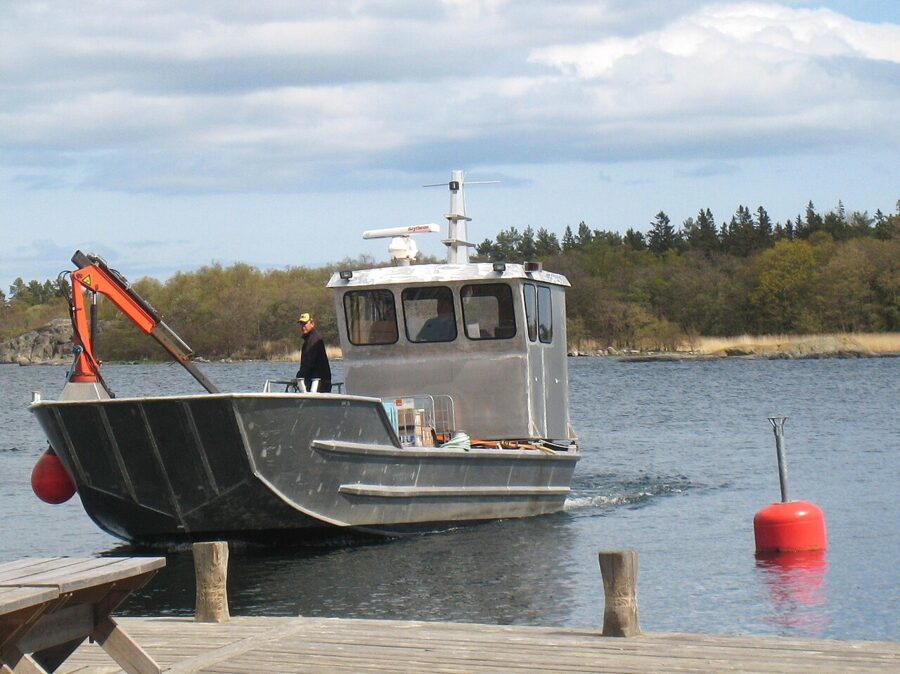
It is rougher than Svartsö, and the owners say so. There is no electricity in the tents, only battery lamps and tealights, and the toilets are outhouses close by. The walk from the quay is 50–200 metres over bare rock, so leave the wheeled suitcase at home and bring warm clothes whatever the month. Dogs are welcome on a lead, though not in the bed.
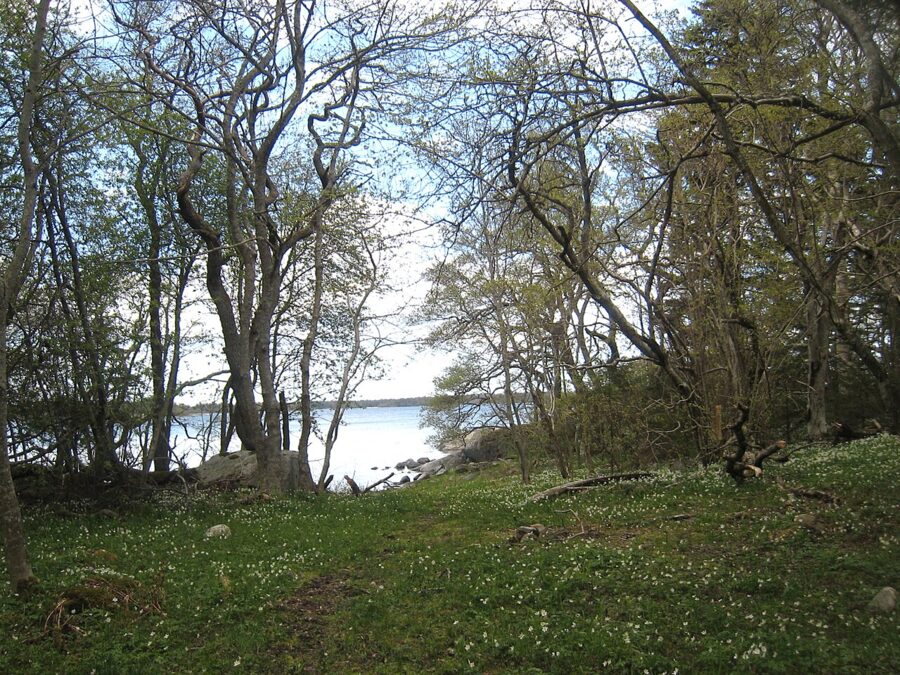
The season to plan for is the next one. Fejan Outdoor is closed and reopens in summer 2027, with dates expected in December or January and no waiting list. The platforms rest on stones and every rope around a tree is padded, so the island is left as it was.
Getting there is a small exercise in timetables. By car, take the E18 towards Kapellskär, turn off for Gräddö and Räfsnäs, and park about 300 metres above Räfsnäs brygga; leave twenty minutes for it. Without one, take SL bus 676 from Stockholm (or 677 from Uppsala) to Norrtälje, change at Campus Roslagen to bus 631, and get off at Räfsnäs brygga, where the boat waits for the bus. In summer it makes about five crossings a day, and some Waxholmsbolaget boats from Strömkajen also call; the operator’s route page has the detail.
Lidö, the quieter neighbour
A few kilometres away in the same waters off Rådmansö, Lidö Värdshus keeps two tents of its own, apart from each other at the water’s edge. Slipen sleeps two and costs SEK 2,295 a night; Udden, by the wedding point, sleeps four for SEK 3,695. Beds are made, cleaning and the breakfast buffet at the inn are included, and the nearest toilet and shower are about 200 metres away.
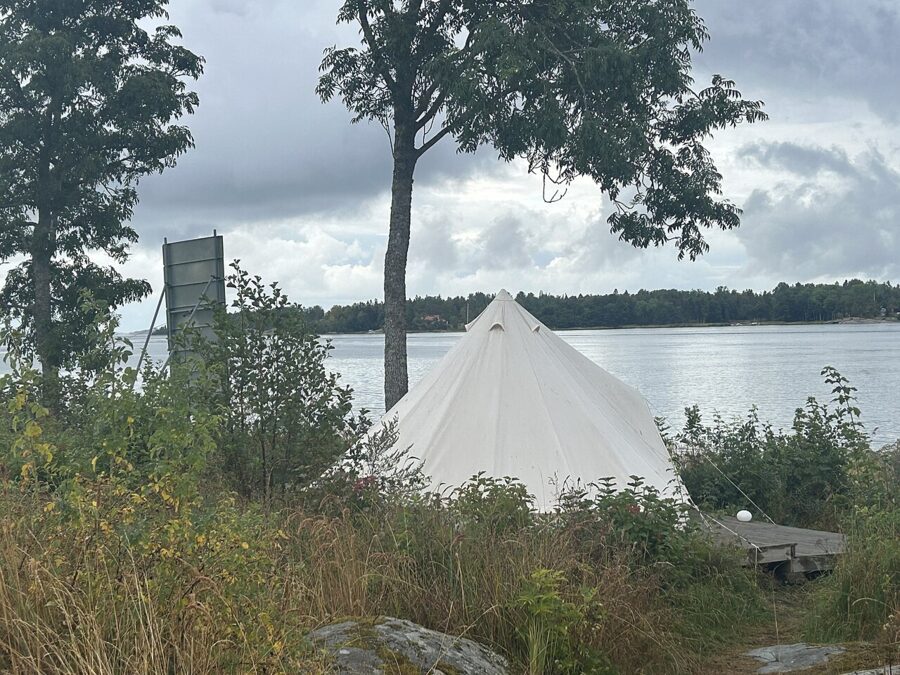
The season here is short. The inn runs its full summer programme from week 26 to week 32, and for 2027 the rooms and restaurant reopen at midsummer, on 25 June. If Fejan is full, which it usually is, Lidö is the one to try, and the evening on the island will be just as empty once the day boats have gone.
Idöborg, Nämdö
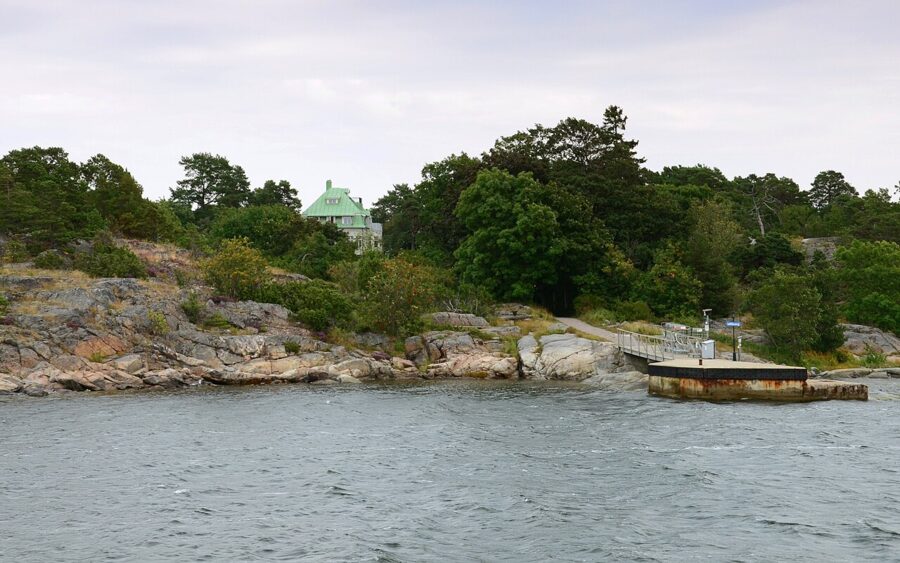
On the other side of Stockholm, in the outer archipelago around Nämdö, Idöborg is a small island with a 1908 Art Nouveau villa, a restaurant called Strandbaren, a sandy beach and a wood-fired sauna. Its four glamping huts face east over the sea towards the sunrise, about ten metres from rocks you can swim from. The stay is built around an evening of sauna and a three-course dinner at Strandbaren, then a breakfast buffet.
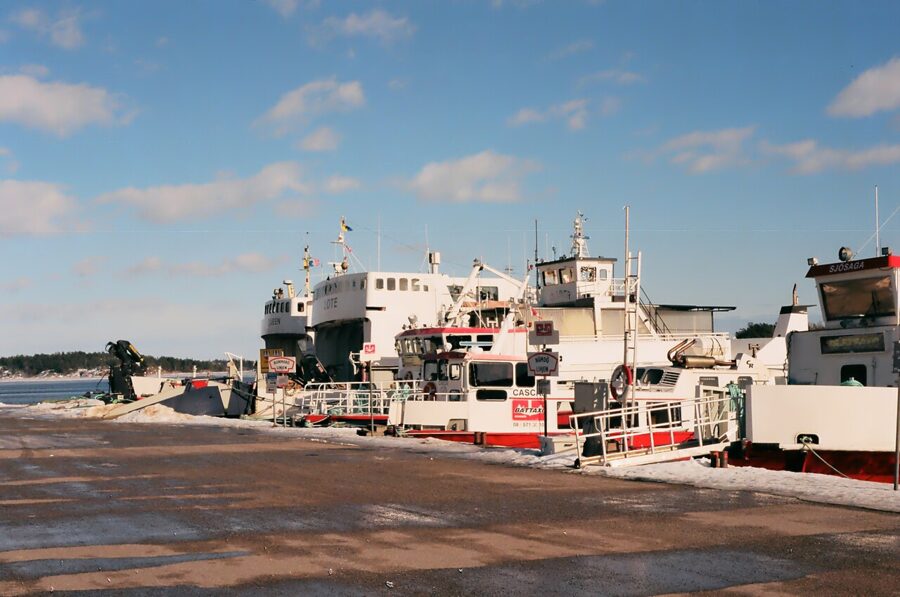
Waxholmsbolaget’s line 17 runs to Idöborg from Stavsnäs all year, at SEK 104 for an adult (SEK 64 reduced), and Stavsnäs Båttaxi runs scheduled trips on the same route. Stavsnäs is the end of the road on Värmdö, and SL buses run there from the city; the whole trip from central Stockholm takes a little over an hour. The restaurant stays open from early spring until just before Christmas.
Gålö, and the island you can reach by train
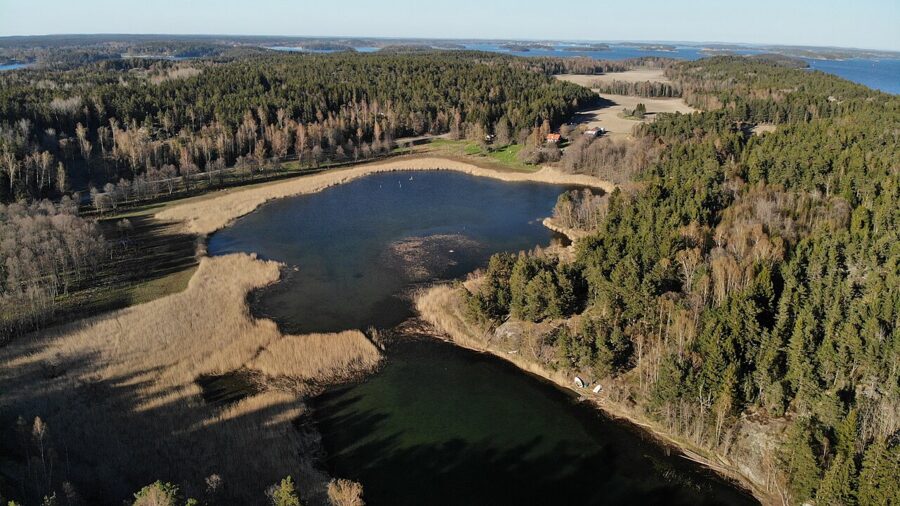
For one night without a long boat ride, Gålö Havsbad sits inside the Gålö nature reserve just south of Stockholm, with glamping tents facing the sea beside the campsite’s cabins and pitches. It is a busier, family place with a restaurant, a shop and kayaks for hire, and the operator suggests at least two nights. The 2027 season opens on 26 April, earlier than any of the islands, and booking is already open.
The route is the reason to choose it. Take commuter train 43 from Stockholm City to Västerhaninge and bus 845 onwards; the trip takes about an hour. For the opposite extreme, Island Lodge on Bergholmen hires out a whole private island with eight heated dome tents for groups of up to 16, open from May to mid-October, with transfers by RIB. It does not rent single tents.
Forest and lake in southern Sweden
Away from the coast, Swedish glamping moves into the pine and spruce: silence, a fire and a lake to paddle. Both places here close in winter.
Naturlogi, Östergötland
Naturlogi calls itself a forest hotel, but its rooms are scattered through the woods about 20 minutes south of Linköping, off the E4, each with its own fire pit and none with electricity or wifi. The two suites, Mossan and Laven, have their own wood-fired hot tub, filled and warm when you arrive, a bioethanol stove for cool evenings and a solar-heated outdoor shower from April to October. Mossan was renovated over the winter of 2025/26 and is now the largest.
Vistet is simpler, a room in a clearing with a shared outhouse about 50 metres away, and has run offers from SEK 2,150 a night. Lyan is a lean-to with mattresses, pillows, blankets, a mosquito net and solar lamps; you bring your own sleeping bag. Food is prepared by the hosts with local produce and cooked by you over the fire, and a tent sauna can be booked for SEK 350 for two hours. The 2026 season is over, and the 2027 dates are announced through the newsletter.
Nordic Woods, Åsnen
In Småland, on the lake system of Hönshyltefjorden at the edge of Åsnen National Park, Nordic Woods runs a tipi camp at Norraryds camping in Hönshylte, near Ryd. The tipis, five or six metres across, have beds, a fridge, electricity and a fire bowl with a tripod. Canadian canoes wait at the shore, and there is a barrel sauna on the lake and a wood-fired hot tub, booked in half-hour slots.
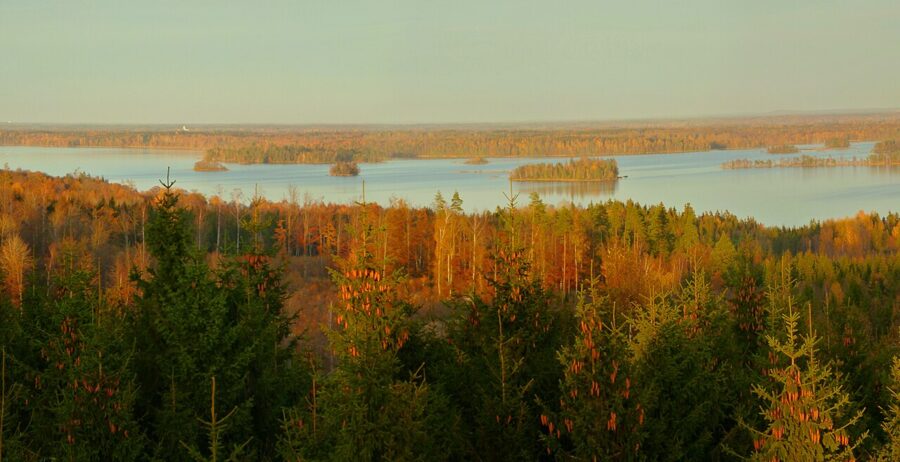
It is sold by the week, in euros. The 2027 season runs from 29 May to 4 September, Saturday to Saturday, from EUR 590 per person, with bed linen extra. From 10 July to 21 August the camp fills with families and runs activities for children over six; come before or after if you want the lake quiet. Most guests drive; the address is Norraryds camping, Hönshylte, 360 10 Ryd.
Treehouses from Harads to Bornholm
The treehouse is the one kind of glamping that works in every season, and the most expensive, because you pay for the architecture as much as the forest.
Treehotel, Harads
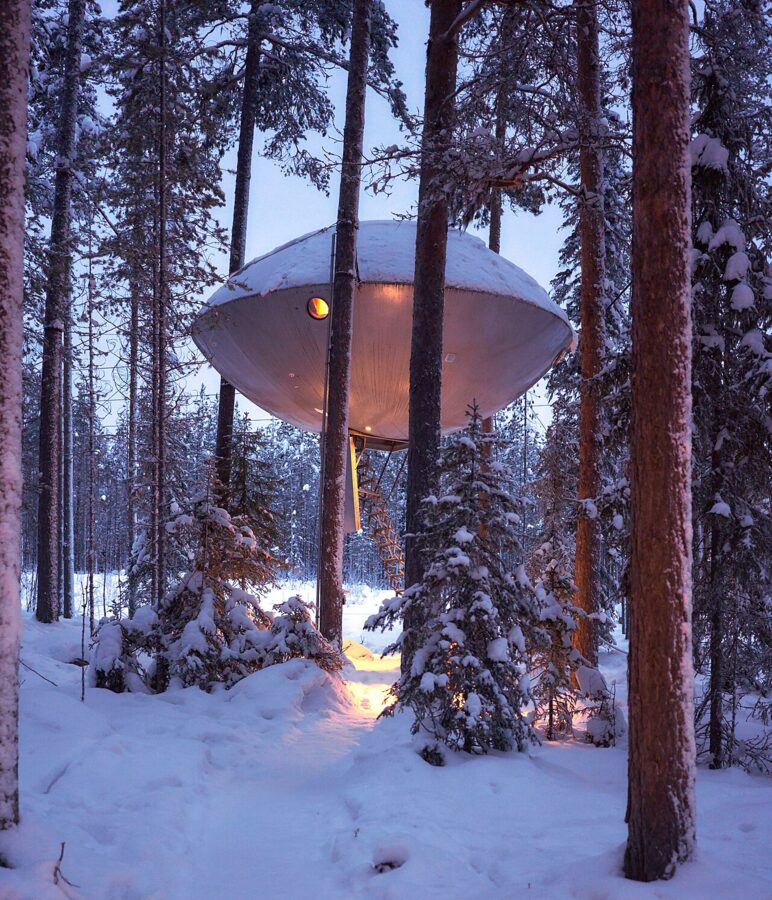
In the forest above the Luleå River at Harads, just south of the Arctic Circle, Treehotel has commissioned a room each from a run of Scandinavian architects. Tham & Videgård built the Mirrorcube, a box clad in mirror glass that reflects the pines; Snøhetta designed the 7th Room, BIG the Biosphere, Cyrén & Cyrén The Cabin, and Bertil Harström of Inredningsgruppen the UFO and the Bird’s Nest.
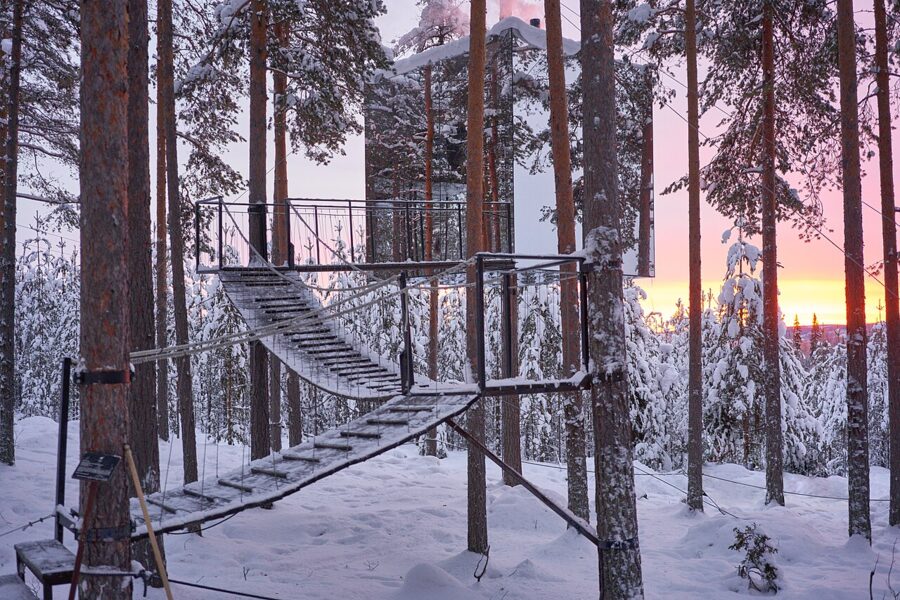
Prices are per room and vary by season. The UFO, which sleeps five and is reached by ladder, starts at SEK 6,100 for two; The Cabin starts at SEK 7,200, both with breakfast.
Every room has an electric incinerating toilet, but only Dragonfly, Biosphere, Blue Cone and the 7th Room have showers; everyone else uses a shower building nearby. The rooms are about 500 metres through the forest from check-in, and staff will carry your bags.
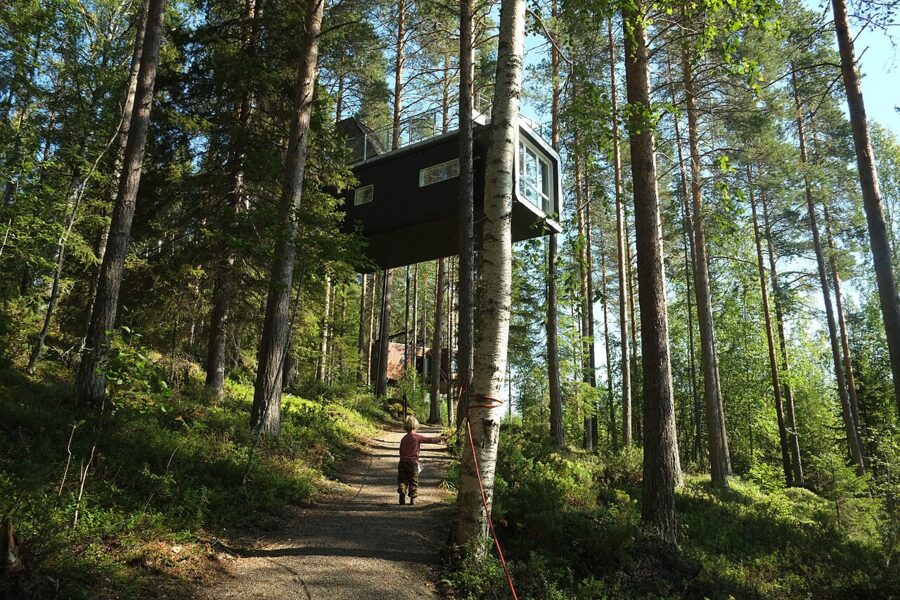
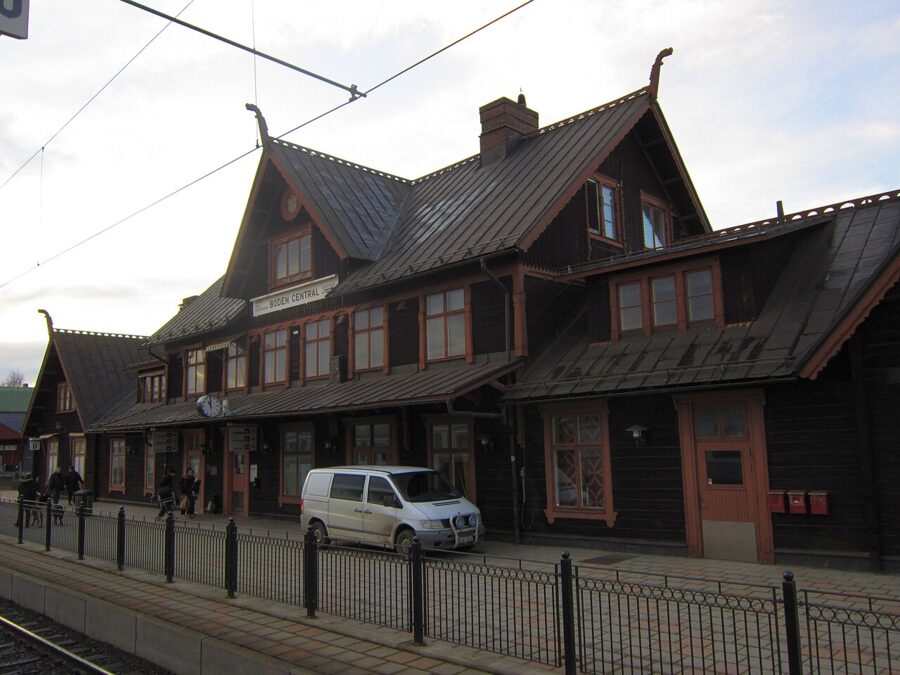
The hotel recommends the train. The nearest station is Boden C, about 35 minutes away, on the main line north from Stockholm; a private transfer from there costs SEK 2,400. From Luleå Airport, 70 minutes from Stockholm by air, the drive takes about 1 hour 10 minutes and a minivan for four to seven costs SEK 3,900. On weekdays between 11:00 and 15:00 non-guests can walk the grounds on a solo tour for SEK 120, which is worth knowing if you are passing through Harads.
Woodnest, Odda
On the steep slope above Odda, at the head of Sørfjorden, the long southern arm of the Hardangerfjord, Woodnest has four treehouses in the pines. The two Originals sleep two to four and have the shortest climb; the two Mountaintops, higher up, sleep two. Each has a kitchenette with two hot plates, and the toilet and shower are inside, which on this list makes them almost decadent.
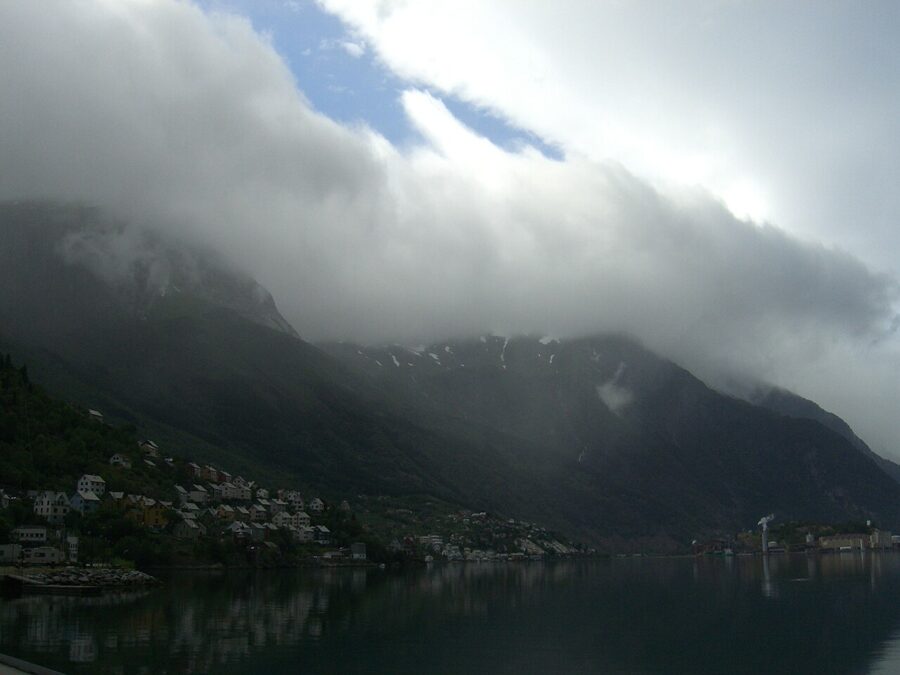
You earn the bed. The walk up from the free car park takes 20–60 minutes on steel and timber steps, stone path and uneven ground, steep and slippery when wet, and hiking gear can be hired for NOK 300. Children are allowed only in the Originals, there are no pets, and weekends have a two-night minimum with no check-in or check-out on Saturdays. Bring groceries: apart from a welcome platter for NOK 990, there is no food service.
From Bergen it is about three hours by car via the Jondal–Tørvikbygd car ferry, which needs no booking. Buses from Bergen take about three hours too, with a couple of departures a day and fewer on the way back, so check Entur before you commit. Snow is most likely from mid-January to the end of February and never certain, and the aurora is rare this far south. If you are touring the Norwegian fjords by car, Woodnest is the night that turns a drive along Sørfjorden into the reason for it.
Løvtag, Mariager Fjord and Bornholm
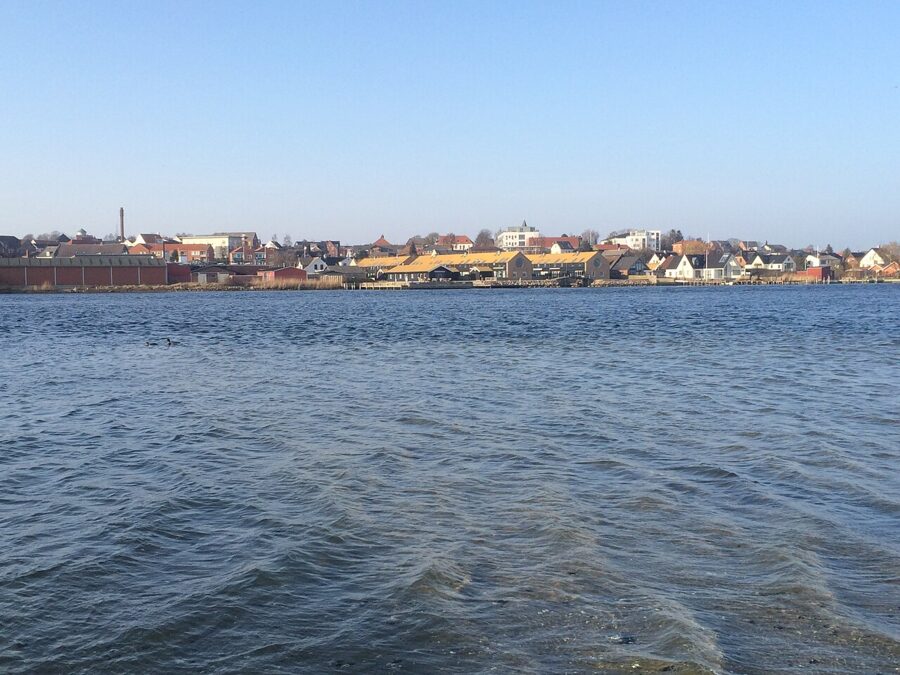
Løvtag builds identical treetop cabins in two Danish forests: one by Mariager Fjord in Himmerland, at Als Oddevej 76 near Hadsund, and one on Bornholm, at Krashavevej 40 near Gudhjem. Designed by the architect Sigurd Larsen, they are built around large old trees that pass through the floor and the roof, so the trunk stands in the living room. The bed is seven metres up, the roof terrace almost ten, and the shower is outdoors, six metres above the forest floor.
Inside, they are hotel rooms in a tree: heated and insulated, with four sleeping places, a small kitchen, a separate toilet, linen and towels for four. A light breakfast of crispbread, jam and juice from local producers waits in the cabin; a bigger one costs DKK 175 per person. There is no reception, you let yourself in with a code from 15:00, and check-out is at 11:00. Dogs are allowed in Læ and Ly by the fjord and in Gry on Bornholm, for a DKK 250 cleaning fee.
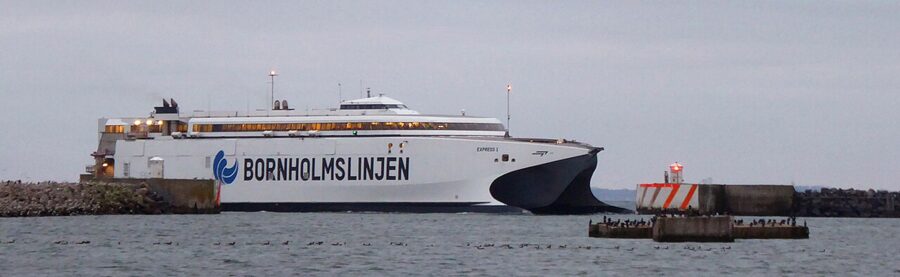
Bornholm takes more planning. Bornholmslinjen sails from Ystad in Sweden in 1 hour 20 minutes, and the Kombardo Express bus connects Copenhagen with the ferry; DAT flies from Copenhagen, Aalborg and Billund in 35–70 minutes. From Rønne it is under 20 minutes by car, about 70 minutes on BAT’s bus to Rø, or an hour by bike. In March and November the ferry can be cancelled in storms, and the owners advise travel insurance.
Denmark’s yurts and island farms
Danish glamping is gentler than the Swedish kind, with short drives and heated yurts and cabins that make the cheaper shoulder months worth booking.
Camp Adventure, Zealand
In Gisselfeld forest near Rønnede, about an hour from Copenhagen, Camp Adventure has six Forest Yurts beside a lake, modelled on the Mongolian kind and insulated and heated, so they can be booked all year. A glass dome sits directly above the bed. Each has an indoor kitchen, an outdoor kitchen on the big timber terrace, and its own bath building.
Prices are per yurt. The two-person yurt starts at DKK 3,100 a night, the four-person at DKK 4,100 and the six-person at DKK 5,100, and those from-prices apply Sunday to Thursday in March–May and September–November. Fridays and Saturdays, June–August, December, Easter, the autumn school holiday and public holidays all add DKK 1,000. Dogs are not allowed, check-out is at 10:00, and the Forest Tower and the climbing park are a few minutes’ walk away.
Tiki Camp, Langeland
On Langeland, the long island joined to Funen by bridges via Tåsinge, Tiki Camp calls itself Denmark’s first glamping site, opened in 2018 by Tirza and Nicki, a Dutch couple, at Klavsebøllevej 16 near Tranekær. The units range from an A-frame cabin with a fold-out window wall to larger cabins with their own kitchen and bathroom, organic bedding throughout, and prices from DKK 1,050 to DKK 2,700 a night.
It is a farm as much as a camp, with fruit trees, an animal sanctuary, a barrel sauna for four and pizza ovens, and families are the core of it. If you want Danish nature at no cost instead, the state forest agency’s free sites let you sleep on the forest floor in all state nature areas, pitch a tent in more than 275 forests and use shelters on primitive sites, some of them bookable.
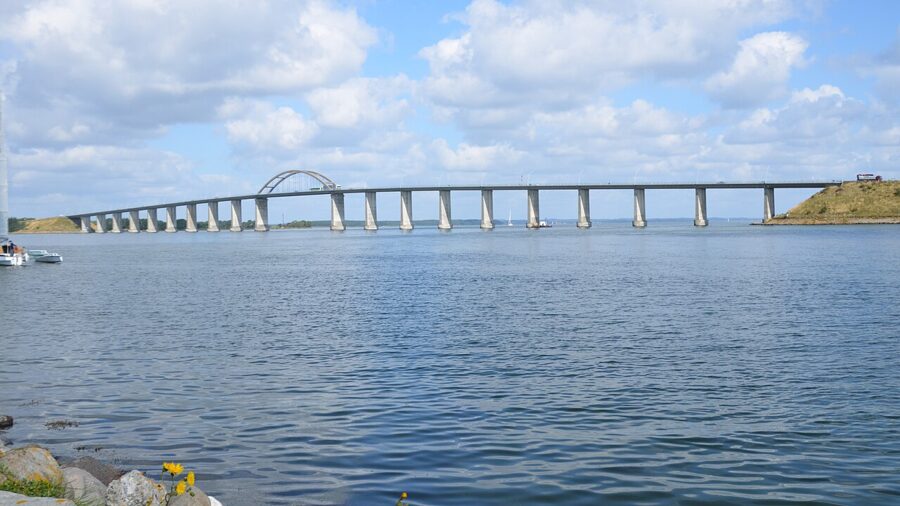
Winter in the north: glass roofs and Arctic domes
North of the Arctic Circle glamping turns into something else. The point is no longer the sea at the door but the sky above the bed, and the season inverts: these places matter most in the dark half of the year. The aurora needs darkness, a clear sky and solar activity, and nobody can promise all three on the night you book.
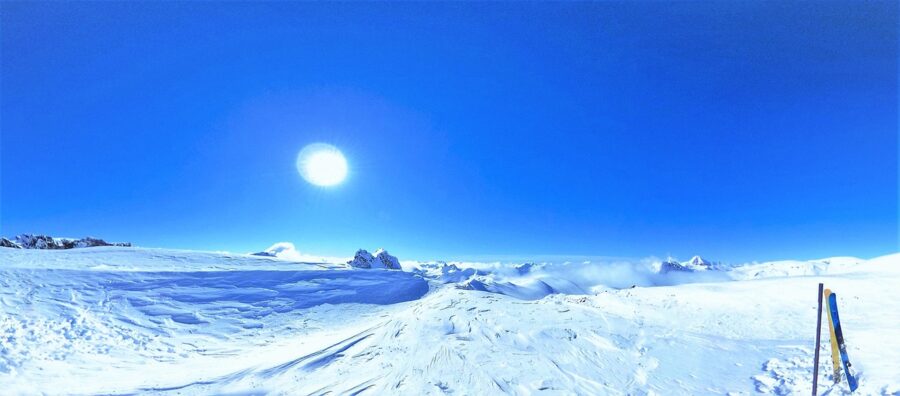
Lyngen North, Spåkenes
On the east shore of Lyngenfjord at Spåkenes, facing the Lyngen Alps, Lyngen North is a small family-run hotel built around glass igloos: the 180° igloos, 25 square metres for two adults with floor-to-ceiling windows towards the mountains, and the 360° igloos at 22 square metres. There are also Sky Suites with panoramic windows and traditional sea cabins for four. Dinner is at the in-house restaurant, Solvind, and the half-board rate includes it.
The hotel’s own aurora season runs from mid-September to the beginning of April, with December and January the darkest months. Its cameras run an alarm that wakes guests when the aurora appears and dims the outside lights. Children are accepted from the age of 12. Most guests come via Tromsø, and from December to March the hotel recommends The Arctic Route transfer that leaves the city centre at 09:00, arriving in time for lunch; a public bus, a rental car or a flight to Sørkjosen also work.
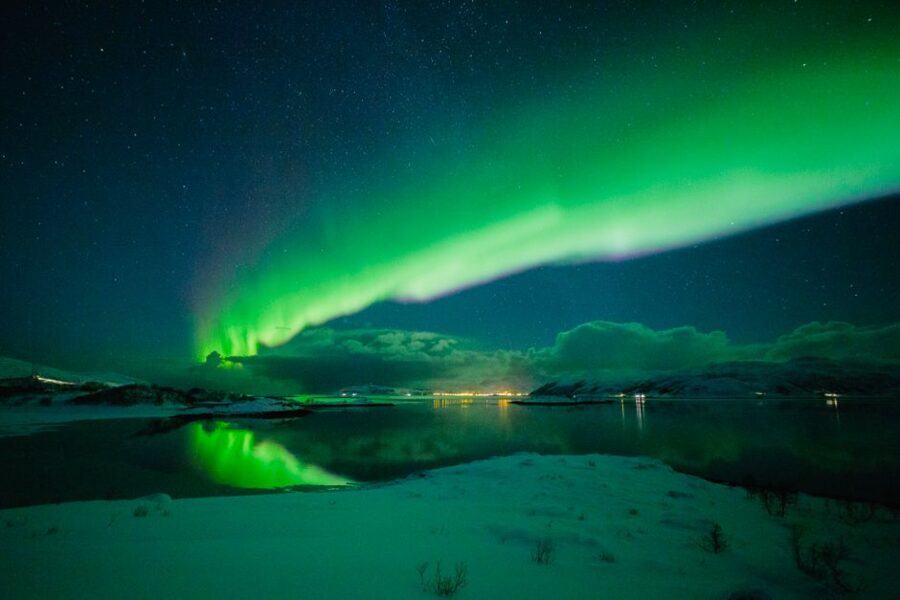
Attme Have, Dyrøy
South-west of Tromsø, on the mainland opposite Senja, Attme Have in Brøstadbotn is an adults-only place with four hotel rooms, a house and two glass-roofed huts it calls AuroraHuts. Each is about ten square metres with a 140-centimetre bed, a heater, a fridge, a gas burner and an incinerating toilet; showers and the kitchen are in the main building, shared, and there is no food service. AuroraHut Storm, up in the woods with air conditioning, starts at NOK 2,095 a night; Panorama, down by the sea, at NOK 2,295.
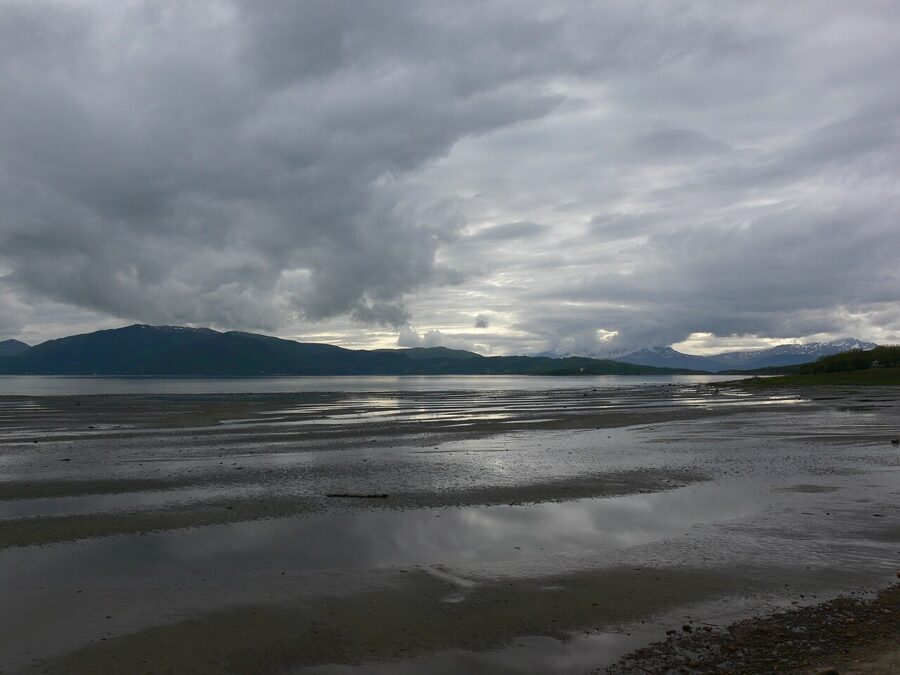
The aurora season here runs from about September to the end of March, and the owners suggest two or three nights so one cloudy evening does not sink the trip. The huts are small: pack light and leave the big suitcase in the car. Check-in is by key box, check-out by 11:00, and a jacuzzi (NOK 500), a sauna (NOK 400) or a wood-fired hot tub (NOK 600) can be added by the hour. The express boat from Tromsø stops at Brøstadbotn, about five minutes’ walk away, which makes this the easiest Arctic glass roof to reach without a car.
Aurora Glamping, Kokelv
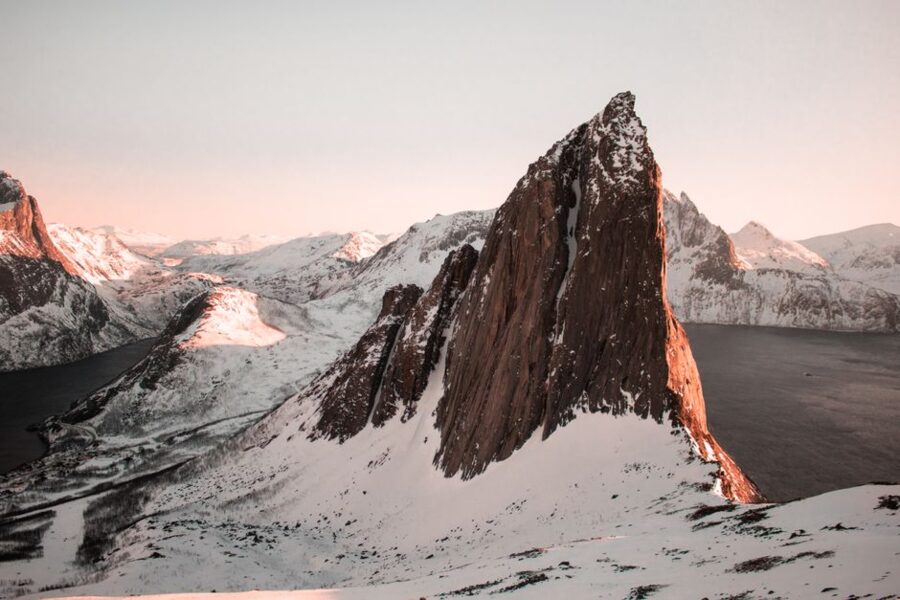
Further north still, in Finnmark, Aurora Glamping at Kokelv rents an Arctic dome with a view of the fjord, using a Sami-style turf house as the base for cooking and washing, beside a luxury cabin and a Finnish sauna for six. In winter the hosts arrange dog sledding, snowmobile trips and ice fishing, and lend snowshoes free to guests. Prices are on request, so ask before you plan around it.
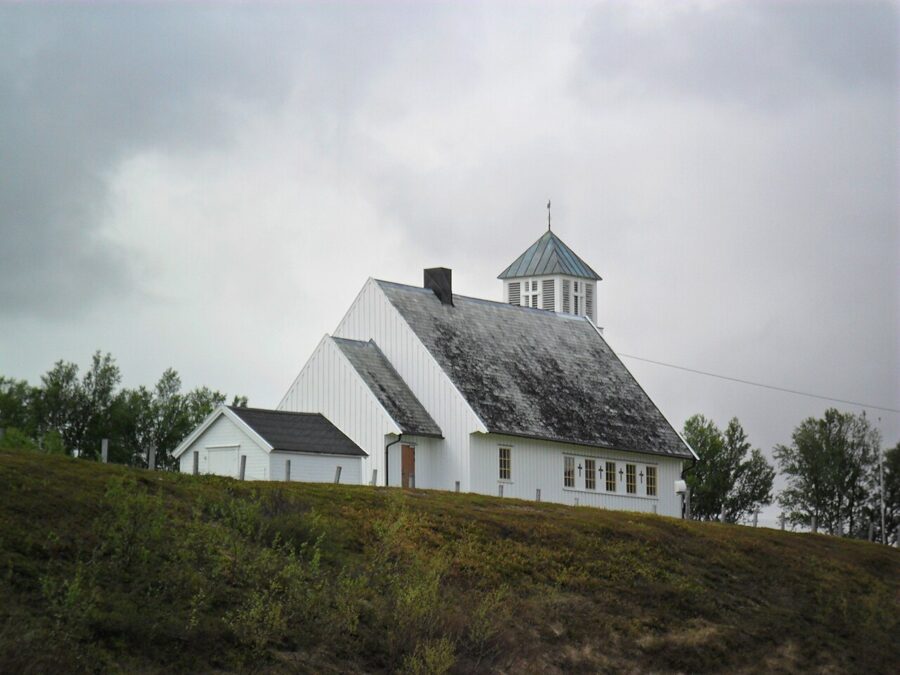
What changes in winter goes beyond the view. The canvas tents of the south are closed; what stays open is insulated or glazed. The day is short, a few hours of blue light in December, so plan the drive in daylight and the sky watching at night. Allow a night in Tromsø or Luleå on the way, and bring wool socks: even a heated hut has a cold floor.
Booking, getting there and what to pack
The calendar sets the plan. The archipelago tents open their books in winter and fill fast: Svartsö Logi on 1 February, Fejan in December or January, and neither keeps a waiting list, though cancellations turn up. May and September are the quietest months, but in the archipelago they mean weekend-only opening.
Without a car, these work well:
- Svartsö Logi: Waxholmsbolaget from Strömkajen to Alsvik, 1.5–2.5 hours. Plan it with Waxholmsbolaget’s journey planner.
- Fejan and Lidö: SL bus 676 to Norrtälje, bus 631 to Räfsnäs brygga, then the boat that waits for the bus.
- Idöborg: SL bus to Stavsnäs, then line 17.
- Gålö: commuter train 43 to Västerhaninge and bus 845, about an hour.
- Treehotel: train to Boden C and the hotel’s transfer, or fly to Luleå.
- Løvtag Bornholm: Kombardo Express and Bornholmslinjen from Copenhagen, then BAT bus or a hired bike.
- Attme Have and Lyngen North: express boat or The Arctic Route from Tromsø.
Toilets and showers vary more than anything else, so check before you book:
| Place | Toilet | Shower |
|---|---|---|
| Svartsö Logi | In the restaurant, open all night | None; the sea |
| Fejan | Outhouses near the tents | Sauna; ask on arrival |
| Lidö Värdshus | About 200 m away | About 200 m away |
| Treehotel | Incinerating, in every room | Four rooms; others in a nearby building |
| Woodnest | In the treehouse | In the treehouse |
| Løvtag | Separate toilet in the cabin | Outdoors, six metres up |
| Camp Adventure | Private bath building | Private bath building |
| Attme Have | Incinerating, in the hut | Shared, in the main building |
Pack for rock and weather, not for a hotel: a soft bag instead of a wheeled case, warm layers whatever the month, and your own beach towel for the morning swim. In the Arctic, add a head torch, and a sleep mask between late May and late July.
Children and dogs need checking place by place. Svartsö Logi takes children and charges SEK 950 for a bed of their own; Woodnest allows them only in the lower treehouses; Lyngen North takes them from 12 and Attme Have only adults. Fejan welcomes dogs on a lead, Løvtag in three named cabins for a DKK 250 fee, while Camp Adventure, Woodnest and Attme Have take none.
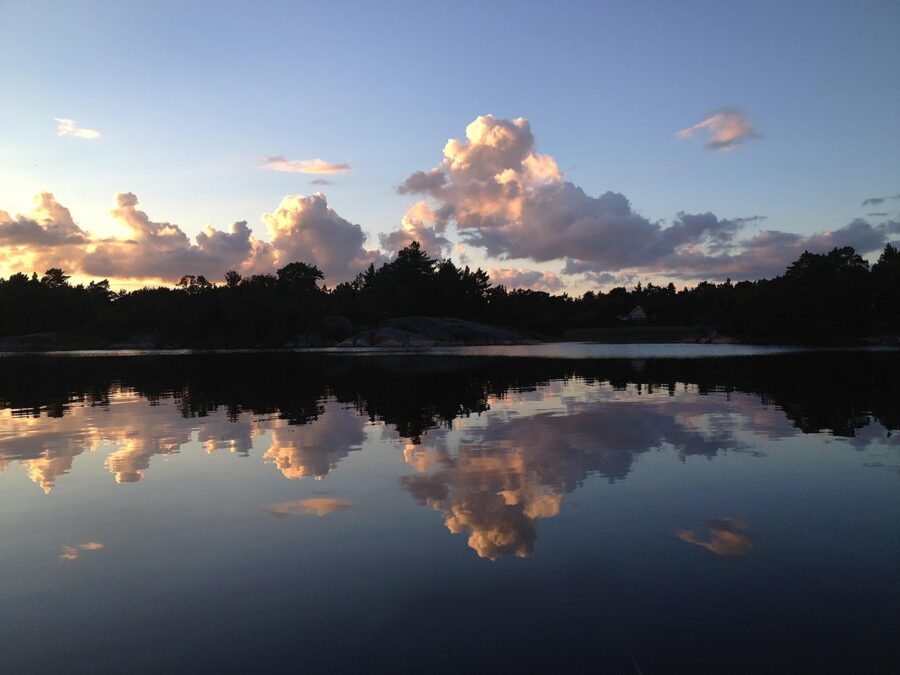
If you only do one, make it the boat to Svartsö on a weekend in early June. Book on 1 February, take an afternoon boat from Strömkajen, step off at Alsvik with a bottle in your bag, and be in the sea before dinner. By the time the five courses are done the jetty is empty, the boat is back in the city, and the only light on the water is the lantern in your tent.