

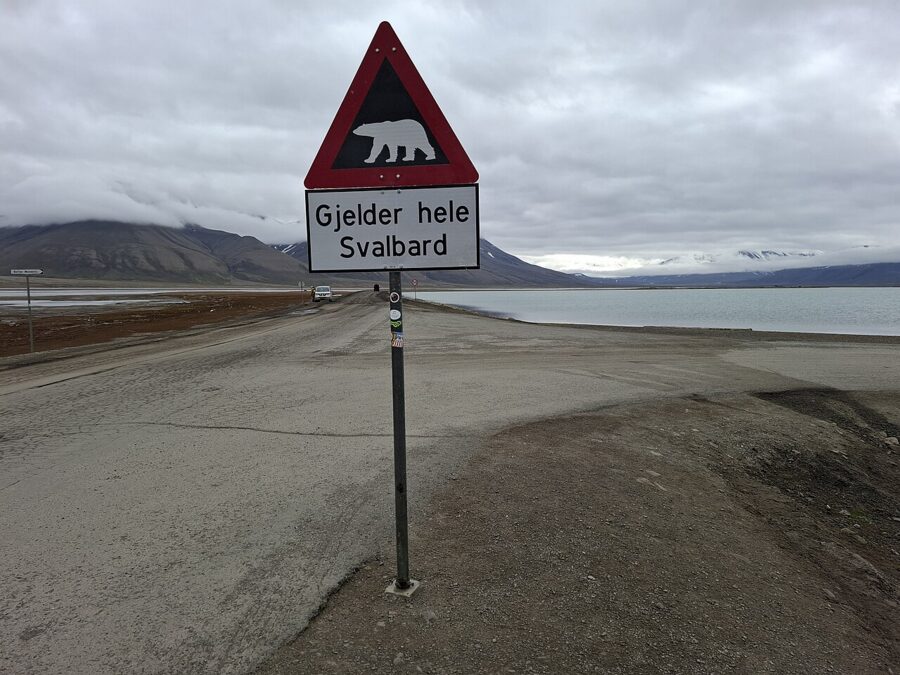
The sign on the road out of Longyearbyen towards Adventdalen is a red triangle with a black polar bear on white, and a plate underneath that reads Gjelder hele Svalbard: applies to all of Svalbard. Walk past it on your own and you need a way to scare off a polar bear, and in practice a rifle and the training to use it. Almost everything about a trip here follows from that sign.
Svalbard is a Norwegian archipelago in the Arctic Ocean, between 74° and 81° north and roughly halfway from the mainland to the North Pole. Its town is Longyearbyen, about 2,400 people on the island of Spitsbergen, with an airport, hotels, a museum, a brewery and some of the best cooking in Norway. You fly there: SAS and Norwegian fly from Oslo in about three hours, and SAS also flies from Tromsø in about an hour and a half. Svalbard sits outside Schengen, so bring a passport or national ID card even from Oslo.
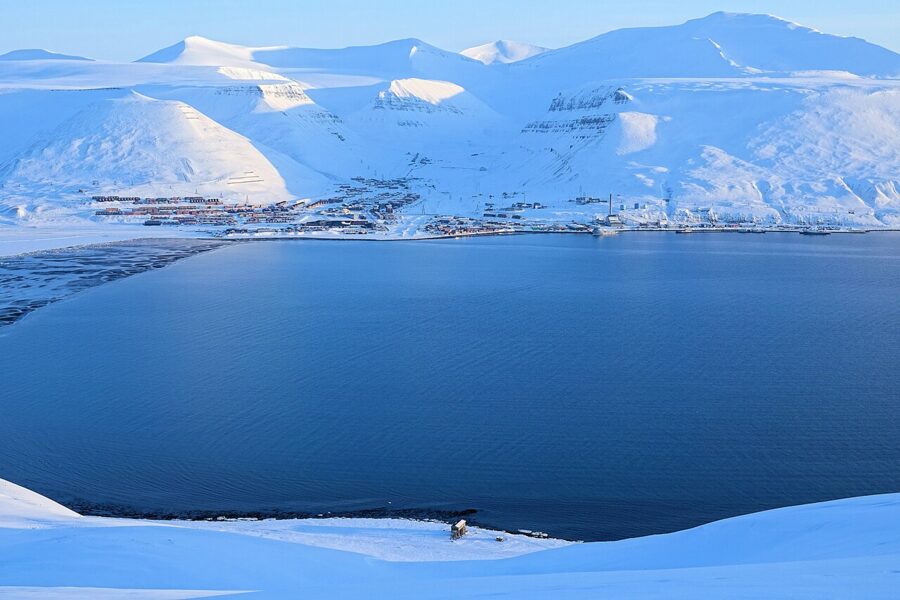
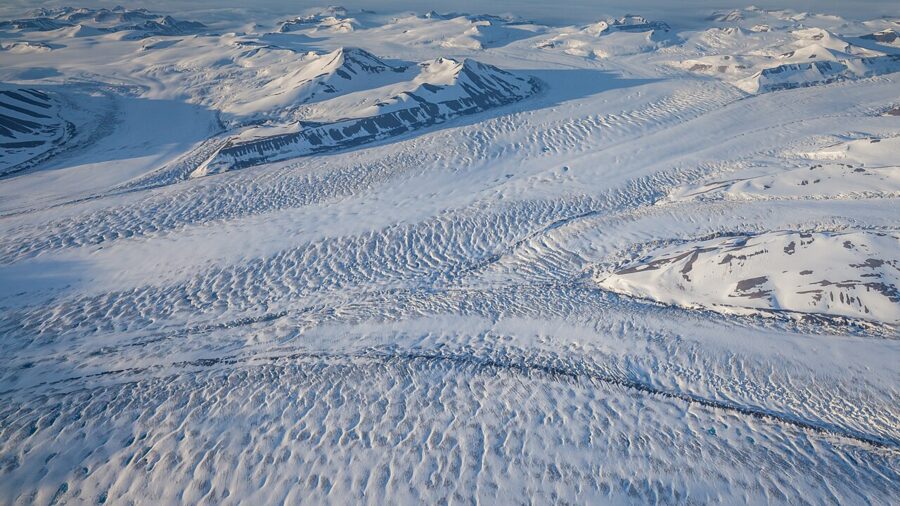
When to go depends on what you want. March to mid-May is snow and returning light, the season for snowmobiles and dog sleds, and the busiest time of year. June to August is the midnight sun and the boat season, when walrus, bird cliffs and glacier fronts are within a day trip. Mid-November to the end of January is the polar night: no daylight at all, and the northern lights at lunchtime.

Inside the town limits you need no guide: the museum, the church, the old cableway station, the restaurants and an 8 km town circuit are all yours. Everything beyond the signs, from a hike up Platåberget to a day on the east coast, means a guided trip. Visit Svalbard, the tourist board, advises at least five days, because weather cancels tours in every season and a short stay leaves no room to rebook. I would take six.
Getting to Longyearbyen
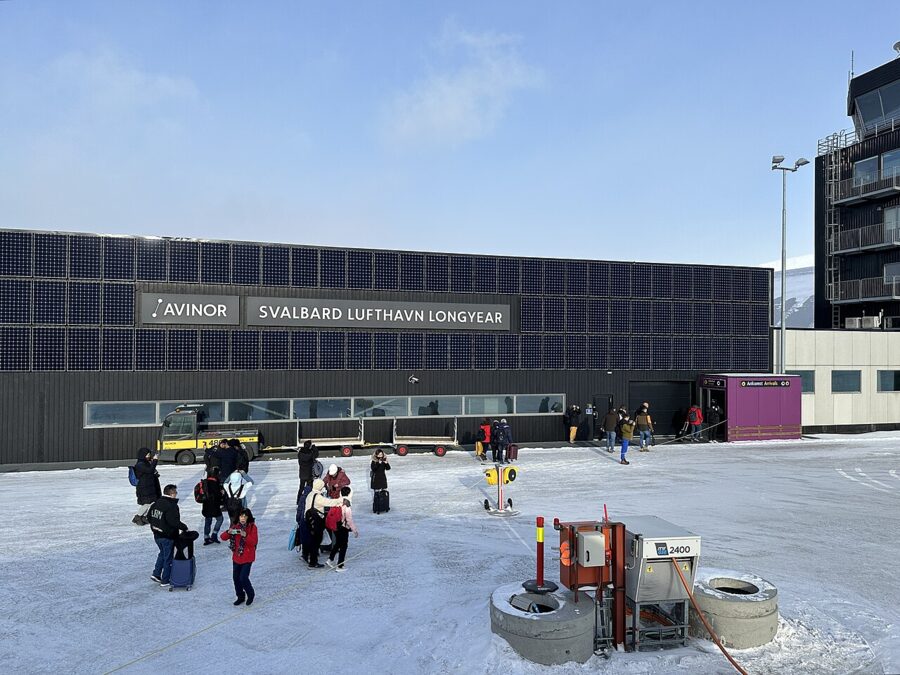

There is no ferry from the mainland and no road on Svalbard that links one settlement to another, so almost everyone arrives on a scheduled flight to Svalbard Airport Longyear. Norwegian and SAS both fly to Longyearbyen: Norwegian from Oslo, SAS from Oslo directly and via Tromsø. Flights run all year and increase between March and August, when SAS has several departures a day at the peak. Fares move with demand, so book the flight as soon as the dates are fixed.
Weather can delay arrivals in any season, so leave a buffer before anything you cannot move, such as a cruise departure.

Passports, visas and the Schengen line
Svalbard is part of Norway but not part of Schengen, so every passenger, Norwegians included, passes an identity check on the way in and out. Bring a passport or a national ID card. Norway does not require a visa for Svalbard itself.
The catch is the mainland. If you need a Schengen visa, you need one to transit Oslo or Tromsø, and it must allow at least two entries, because coming back from Svalbard counts as re-entering Schengen. The Governor’s page on visas spells this out; check the entries on your visa before you book.
Every visitor pays an environmental fee of NOK 150. Airlines and cruise lines add it to the ticket price, so you only deal with it yourself if you arrive on a private boat.
From the airport into town
The airport bus meets every scheduled arrival and departure and stops at every hotel and guesthouse. The adult fare is NOK 110 one way, payable by card or in Norwegian kroner, but not in foreign cash. Two taxi firms work around the clock, and Arctic Autorent hires cars at the airport, though with only 40–50 km of road in and around town there is not far to drive.
By sea, the only regular option is a cruise. Hurtigruten’s Svalbard Line sails between Bergen and Longyearbyen in May–September, and you can take it one way and fly the other. Expedition ships also start and end their voyages in Longyearbyen, so most cruise passengers fly in anyway.
The seasons: what you can do, month by month
Longyearbyen’s year is decided by light more than temperature. Visit Svalbard splits it into three main seasons and six sub-seasons, and tours and crowds follow the split closely.
| Period | Dates | Light | What runs |
|---|---|---|---|
| Twilight | 1 October–10 November | Short days, then none | Last boat trips, early aurora, Dark Season Blues in late October |
| Polar night | Mid-November–end of January | No daylight | Dog sleds, snowcat and aurora trips, ice cave, Christmas |
| Twilight | February | Blue light, sun returns 16 February | Snowmobile season starts, Polarjazz |
| Pastel winter | 1 March–19 April | Day and night | Peak snowmobile and dog sledding, Solfestuka |
| Midnight sun (snow) | 20 April–16 May | 24 hours | Long snowmobile days, ski touring |
| Midnight sun (summer) | 17 May–23 August | 24 hours | Boats, hiking, kayaks, walrus, birds |
| Golden autumn | 24 August–30 September | Nights return | Boats, hikes, quieter town |
The sun stays below the horizon from about 26 October to 16 February. The true polar night, when noon looks like midnight, runs from mid-November to the end of January; Visit Svalbard’s own pages give 11 or 14 November and 29 or 30 January. The season pages list what each period offers.
Polar night: November to January
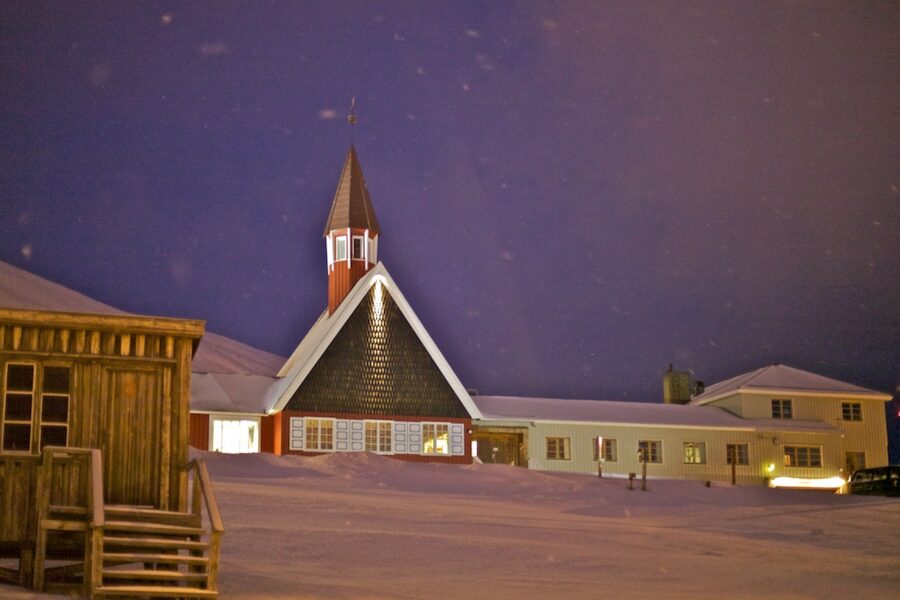

For about ten weeks there is no daylight at all. On a clear day you get stars and moonlight on the snow, and on a cloudy one you get the town’s own glow. Many locals call it their favourite season, and the town is at its most sociable: concerts, long dinners, a full programme of Christmas and New Year events.
The northern lights in mainland Norway are an evening and night affair. Here, during the polar night, they can appear at any hour, lunchtime included, though the usual best window is 18:00 to midnight. The aurora season on Svalbard runs from late September to mid-March, and clear skies matter more than the date.
Guided trips keep running in the dark: dog sledding by headlamp (Hurtigruten Svalbard’s polar night trip runs November and December, four hours, from NOK 2,190), snowcat rides out of the town’s light, and a hike up to an ice cave under the glaciers above town.
The blue light and the sun’s return: February to mid-April
In February the sky starts to change before the sun shows. Visit Svalbard calls it the blue light: an hour, then several, of deep blue twilight that turns pink on the peaks. The sun clears the horizon again around 16 February, but the mountains keep it off the town until early March, and Longyearbyen marks its return with Solfestuka, a festival week in the first half of March.
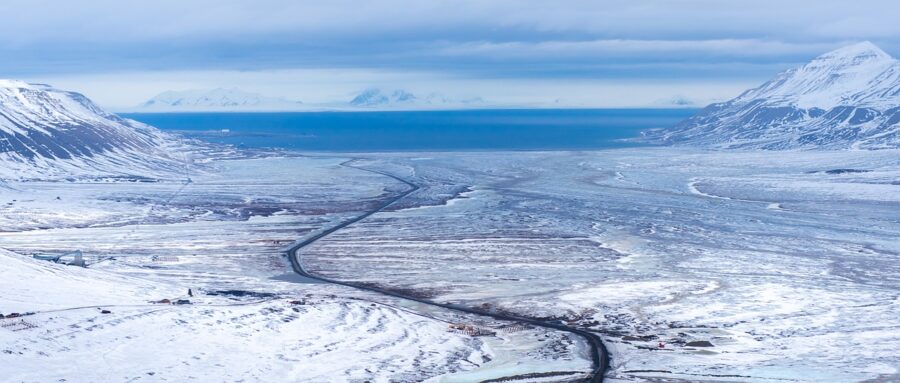
From March to mid-April Visit Svalbard calls it pastel winter: light by day, dark at night, cold, still and blue. It is the best time for photography, and it is often cold as the season starts, so dress for the bottom of the range rather than the average.
Sun winter: March to mid-May
This is the season most people picture, and the one that sells out. The snow is deep, the fjords may be frozen, and from 20 April the sun never sets, so a 10-hour snowmobile day can end in daylight at 22:00. Book flights, beds and the main trips well before you travel; Visit Svalbard calls this the most popular time to visit.
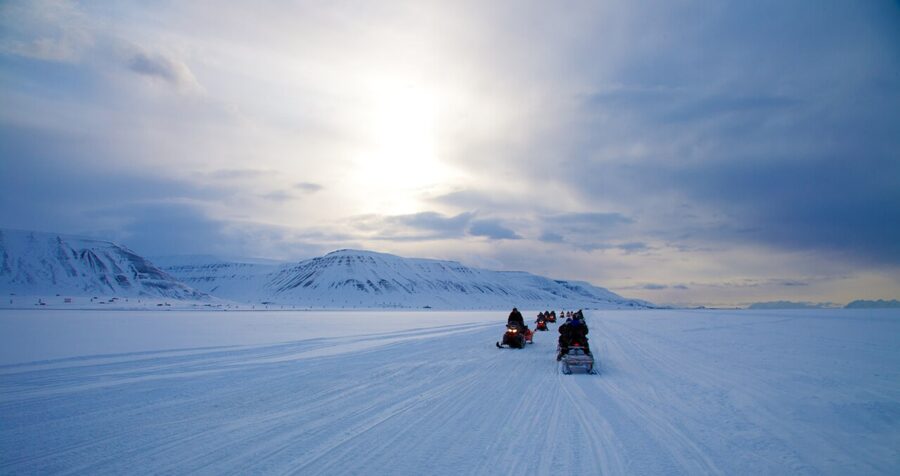

Snowmobile trips are the way to cover distance. Hurtigruten Svalbard’s current season runs from a five-hour trip to Elveneset (NOK 2,995) through Tempelfjorden (seven hours, NOK 3,995) to the east coast of Spitsbergen (ten hours, NOK 4,695), all February to May. Drivers need a valid licence, and a Category B car licence is accepted; it must be carried on the tour. Passengers need none.

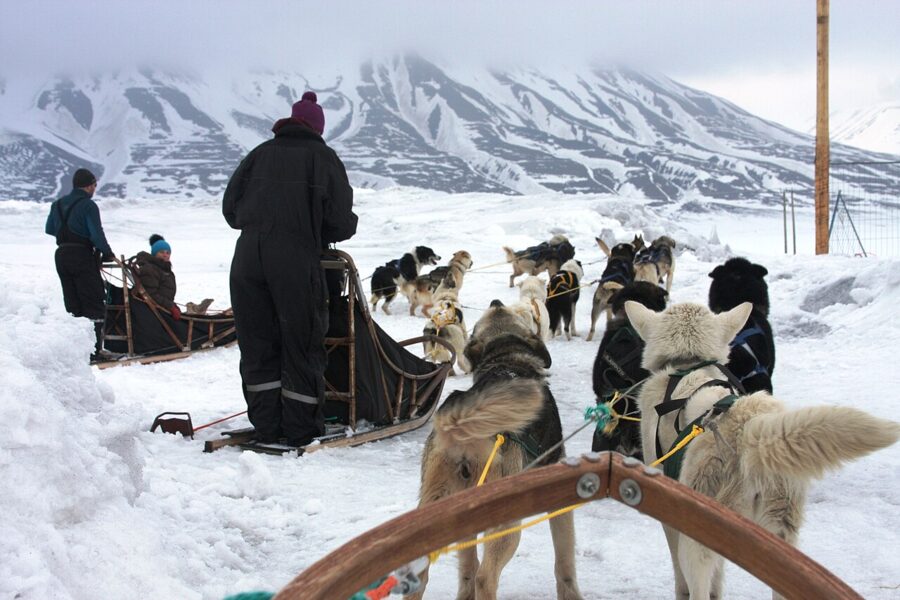
Dog sledding is the quieter alternative. Mushing your own team in Bolterdalen for four hours costs from NOK 2,590 with Hurtigruten Svalbard, and several kennels, among them Svalbard Husky, Green Dog Svalbard, Arctic Husky Travellers and Basecamp Explorer, run similar trips. If you cannot decide, I would pick the dogs: you hear the valley instead of an engine.

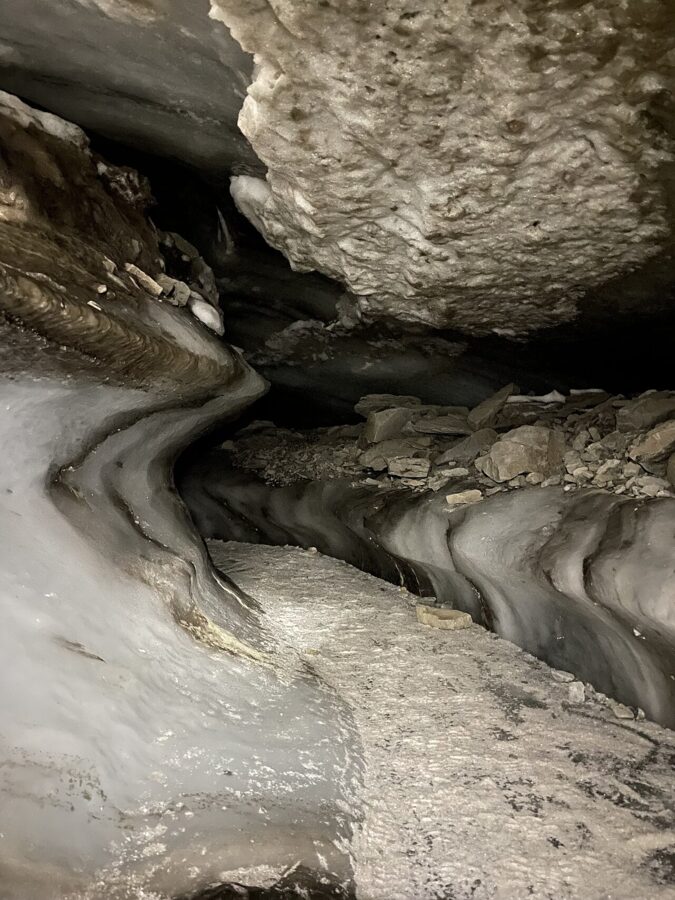
The ice caves are the other easy half-day. Meltwater carves tunnels under the glaciers above Longyearbyen in summer, and from January to May you can walk inside them. Hurtigruten Svalbard’s three-hour trip by tracked snowcat costs from NOK 1,495; a five-and-a-half-hour hike up costs from NOK 1,375 and runs November to May.

Midnight sun summer: mid-May to August
By late May the snow is going, the birds are back and the boats come out. Summer temperatures average 3–7°C, so it is a mild Arctic summer, not a warm one, and the wind off the fjord is what you dress for. Hiking, kayaking, fossil hunting on Longyearbreen and dog sledding on wheels (from NOK 1,690) all run, and because the light never fails, you can hike at 02:00 if the guide agrees.
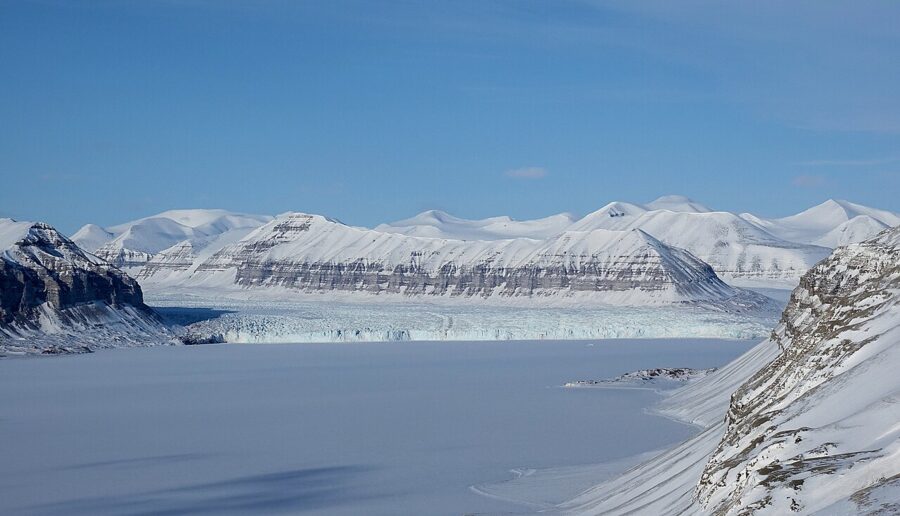
Boats are the reason to come now. The day trip I would book first is Hurtigruten Svalbard’s hybrid catamaran MS Bard to Billefjorden and Nordenskiöldbreen: six and a half hours, April to October, from NOK 3,095, with soup on board. It runs on electric power near the ice, passes Skansbukta and the Swedish house on the way, and looks across at Pyramiden from the water. Early in the season the fjord may still be frozen, and the boat follows the ice edge instead.
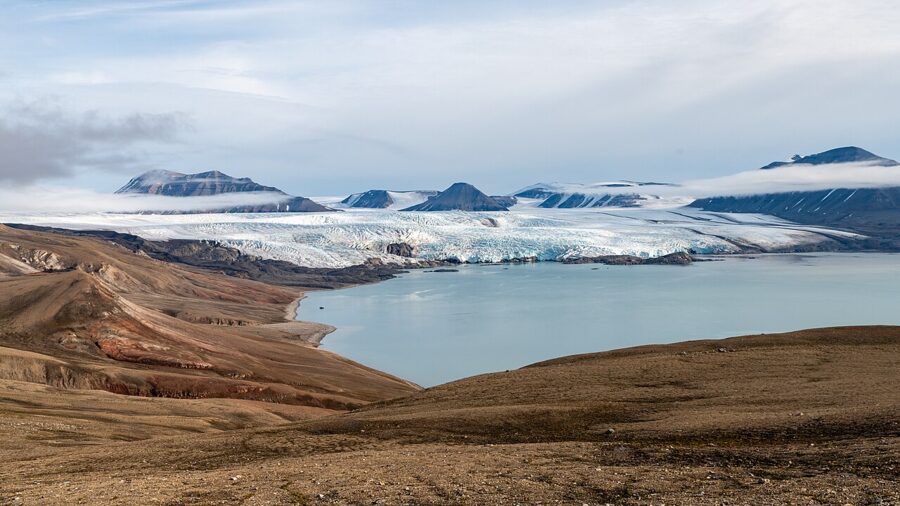

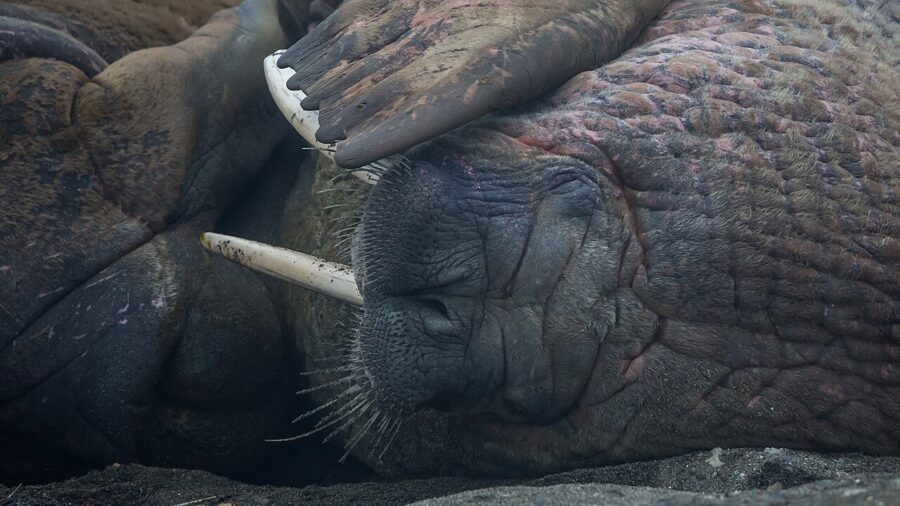
A walrus safari (four hours, May to August, from NOK 3,195) goes looking for walrus resting on beaches and islets, where boats must keep 150 metres off and slow to five knots inside 300 metres. Shorter trips by open boat run to the bird cliffs from May to August. Visit Svalbard’s booking pages list every operator’s trips at the operators’ own prices.

Golden autumn: late August and September
From 24 August the nights come back and the tundra turns rust and yellow for a few weeks. Most migratory birds have gone, the town is quieter, and boats run into September and October, with the chance of the first aurora on an evening trip. For a first visit with fewer people, early September is underrated.
The rules that shape every trip
Svalbard’s rules are law, enforced by the Governor of Svalbard (Sysselmesteren), and several changed in 2025 and 2026.
Polar bears, and why you cannot walk out of town alone
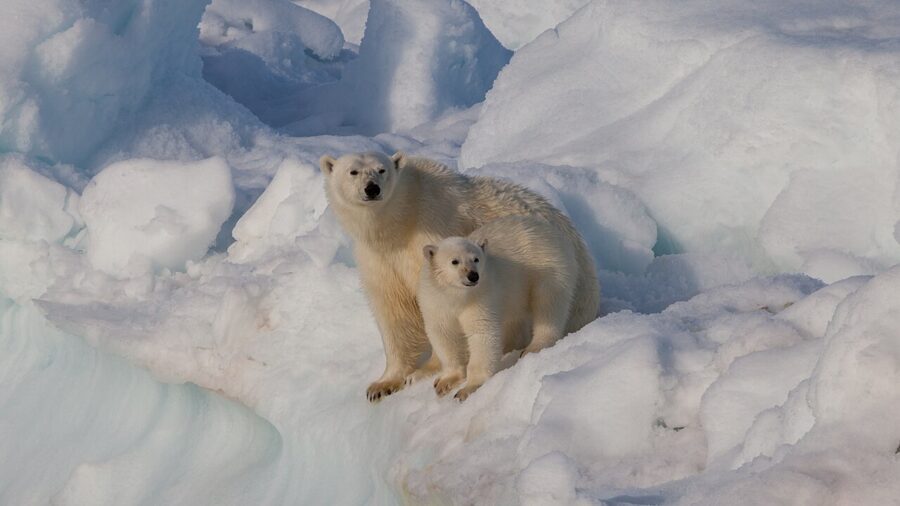

About 3,000 polar bears live in the Svalbard and Barents Sea population, and around 300 stay on Svalbard all year. They can turn up anywhere, including the edge of town, in any month. That is why anyone who goes beyond the settlements must carry a means of scaring off a bear, and why the Governor also recommends a firearm.
For a visitor this leaves two choices. You can rent a rifle and flare gun (Longyear78 and Sportssenteret both rent them), but unless you hold a Norwegian firearms licence or a European Firearms Pass you must first apply to the Governor for a permit, and weapons applications currently take up to eight weeks. Or you go with a guide who carries both and knows how to use them. For nearly everyone, the second is the right answer.
Loaded weapons are banned inside Longyearbyen, and a rifle carried in town must be visibly unloaded. Residents carry them whenever they leave the settlement, so a rifle on a shoulder in the street is normal; one inside a shop is not, because weapons are banned in shops and public buildings.
There are no polar bear safaris on Svalbard; a sighting is luck, not a product, and the law decides how close you may be.
The 2025 environmental rules
A large set of changes to the Svalbard Environmental Protection Act came into force on 1 January 2025, and the Governor’s summary of the new environmental rules is the official version. The ones that affect visitors most:
- Polar bear distance: at least 300 metres, and 500 metres from 1 March to 30 June. If you find yourself closer, you must withdraw. Disturbing, attracting or pursuing a bear unnecessarily is banned.
- Drones: banned in all protected areas, banned within 500 metres of bird cliffs from 1 April to 31 August, and banned within 5 km of the airport, which covers all of Longyearbyen. The drone rules also include a 20 km radio-silence zone around Ny-Ålesund.
- Walrus and bird cliffs: boats keep 150 metres from walrus haul-outs, 5 knots inside 300 metres, and 5 knots within 500 metres of listed bird cliffs from April to August.
- Landings: in most protected areas, tourist landings may only happen at mapped sites, with a guide, and with a limit on how many people are ashore. Ships in the national parks may carry no more than 200 passengers.
- Sea ice and camping: snowmobiles are banned on the sea ice of selected fjords after 1 March, and camping in one place for a week or more needs the Governor’s permission and an organised polar bear watch.
Older rules still stand. Every trace of human activity from before 1946 is protected, from trappers’ huts to whale bones, with a 100-metre zone around it. Flowers are protected too, so photograph the purple saxifrage and leave it there.
Guides, permits and travel outside the settlement
Central Spitsbergen around Longyearbyen is the “travel area”, the former management area 10. Inside it, an independent visitor needs no permit, only polar bear protection and the sense to use it. Beyond it, the field safety regulations that took effect on 1 January 2026 apply in full: you must apply to the Governor at least four weeks ahead and get an answer before you leave.
That application comes with conditions. You need search-and-rescue insurance or a guarantee of NOK 120,000, 350,000 or 650,000 per operation depending on the zone, communication equipment that works two ways, and a report to the Governor within four weeks of getting back. Ordinary travel insurance does not usually cover search and rescue, and the European Health Insurance Card does not apply on Svalbard. Organised tours include rescue insurance in the price.
Guiding itself is changing. From 1 July 2027 every tour company working outside the settlements must use guides approved by the Governor as Svalbard guides, and in November 2026 the Governor began taking applications from experienced guides under a transitional scheme. The field safety regulations set out the detail. For you it means one thing: book through an established operator and ask who is guiding.
Longyearbyen itself
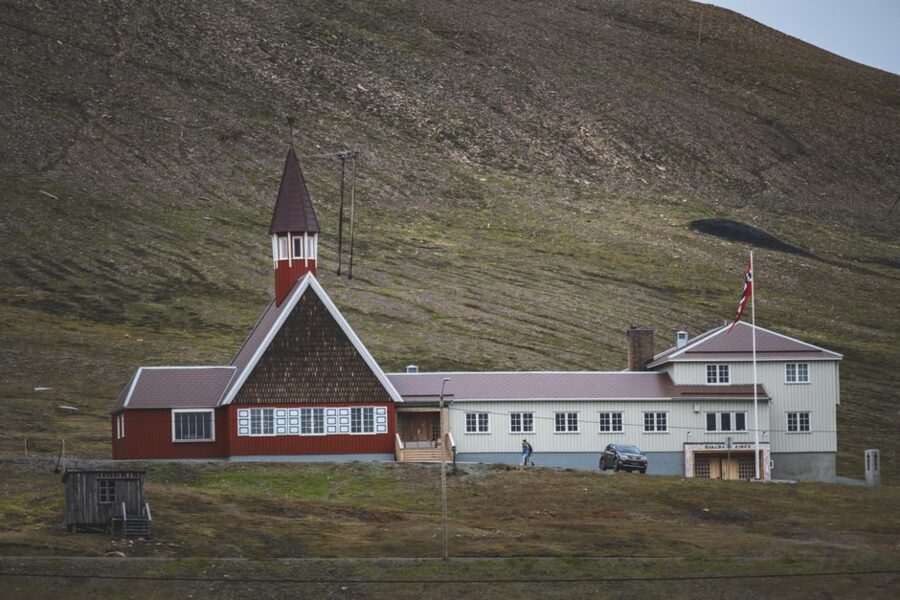
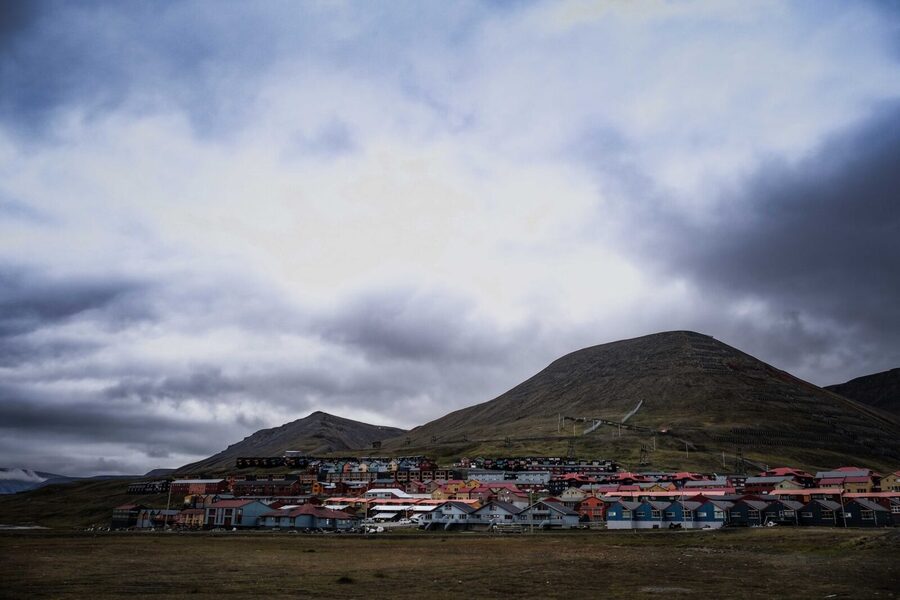
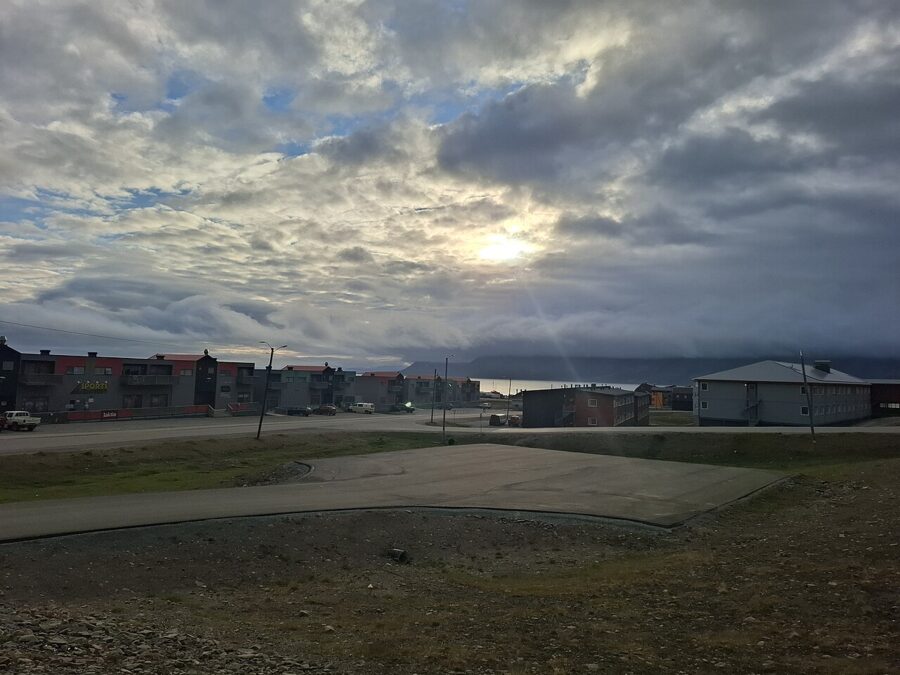
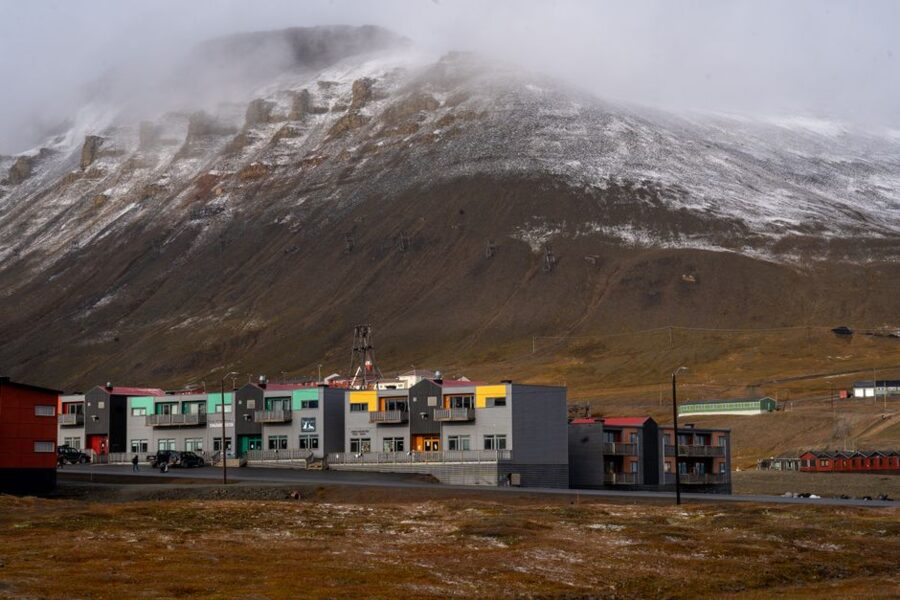
Longyearbyen was a coal company town until 1989, and it still looks like one: wooden houses on stilts above the permafrost, pipes running above ground, and the rusting towers of the old cableway marching up the valley sides. Store Norske’s Mine 7, the last Norwegian coal mine, stopped producing in summer 2025. Streets have numbers rather than names, the supermarket is the only grocery, and you take your shoes off inside hotels, offices and many shops, a habit left over from the days of coal dust.
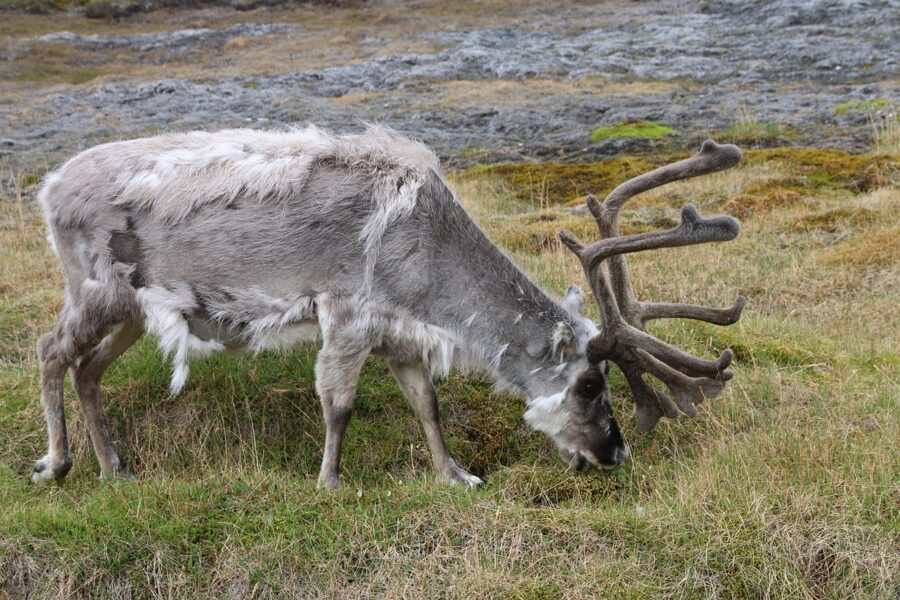
Reindeer graze between the houses, and an Arctic fox occasionally trots round a corner. Keep your distance from both, ask before photographing people, and never photograph children. Visit Svalbard’s community guidelines are a short, sensible list.
What to see in town
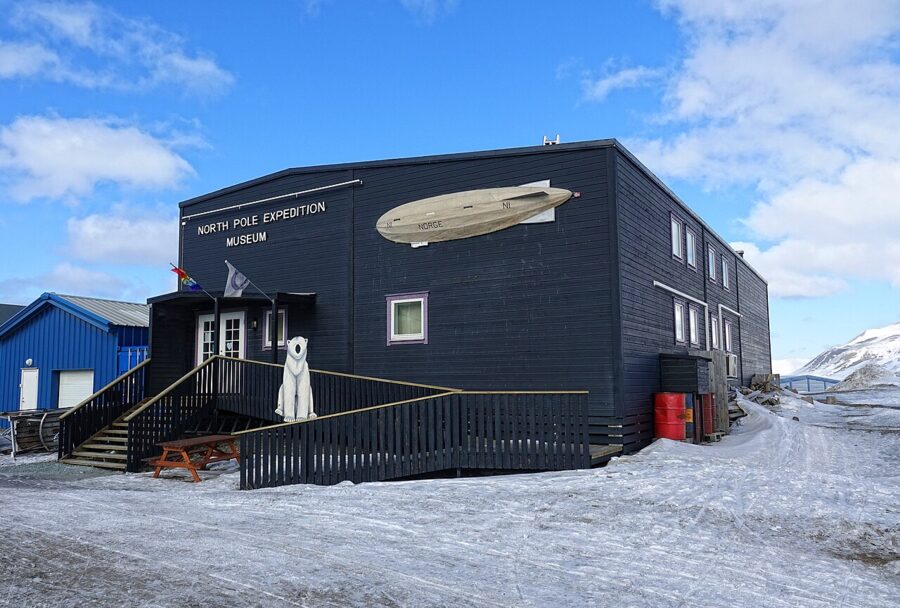
Start at Svalbard Museum, open daily 10:00–17:00 with adult entry at NOK 160, and the clearest introduction to the archipelago’s whalers, trappers, miners and wildlife. Svalbard Museum’s opening hours and prices change at Christmas, when it closes on some days. The North Pole Expedition Museum covers the airships America, Norge and Italia, and the art centre Nordover and Spitsbergen Artists Center in Nybyen fill the gaps between tours.
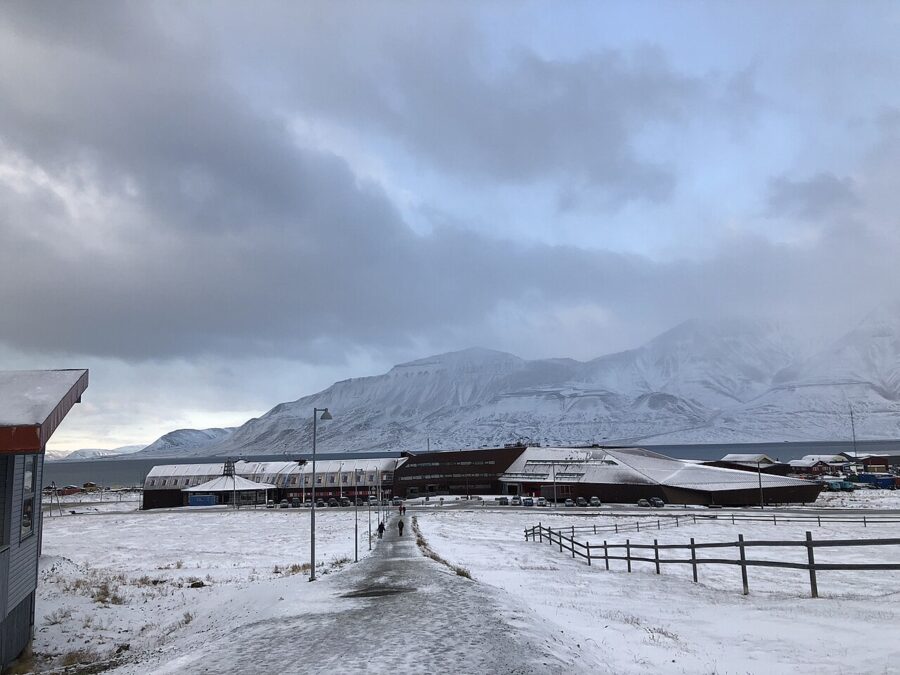


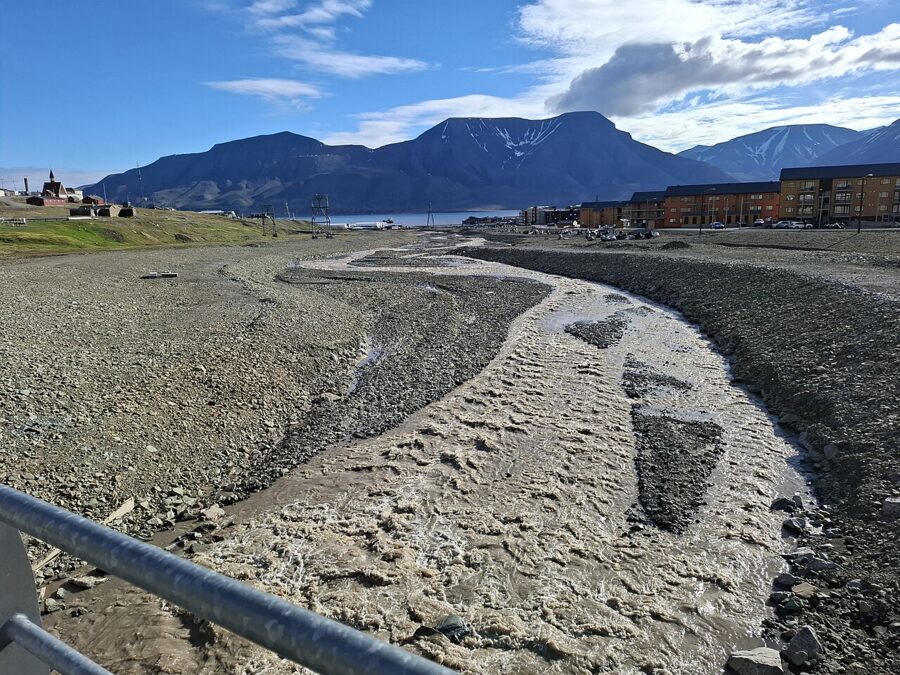
The town circuit is about 8 km on foot, stays inside the polar bear signs and has information boards on the town’s history along the way. Within the same limits you can reach the cableway central station, the church, and the footpath along the river Longyearelva, where fossils turn up among the stones. The view of Adventdalen from the raised water reservoir on the east side is worth the climb.
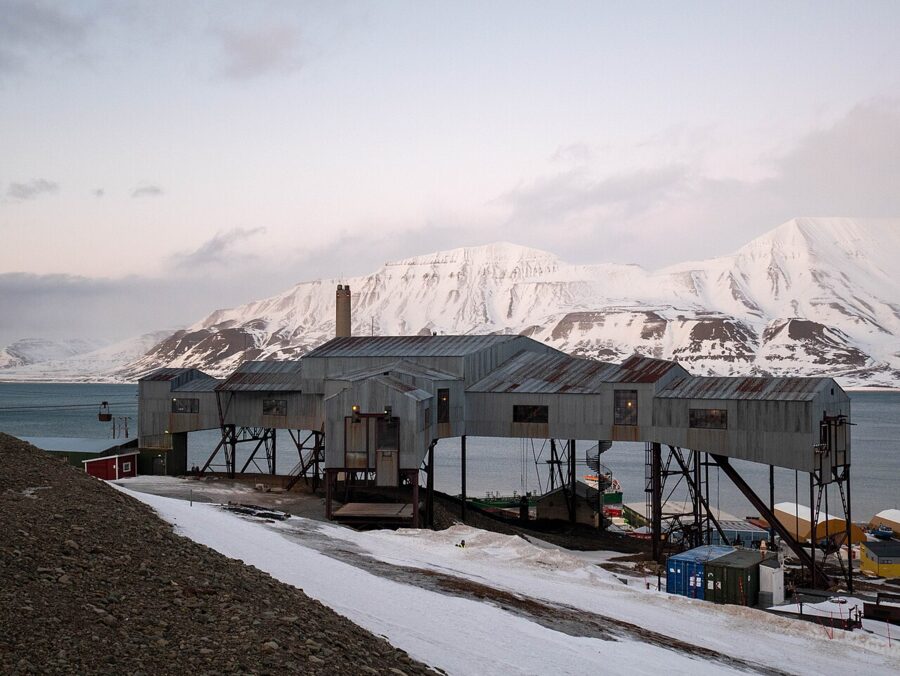

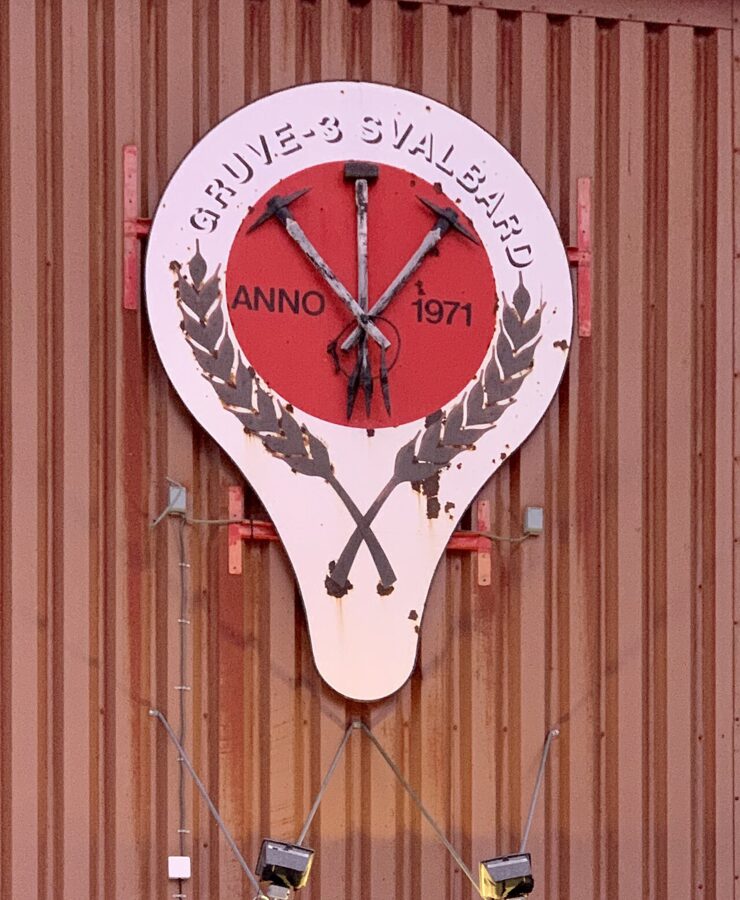
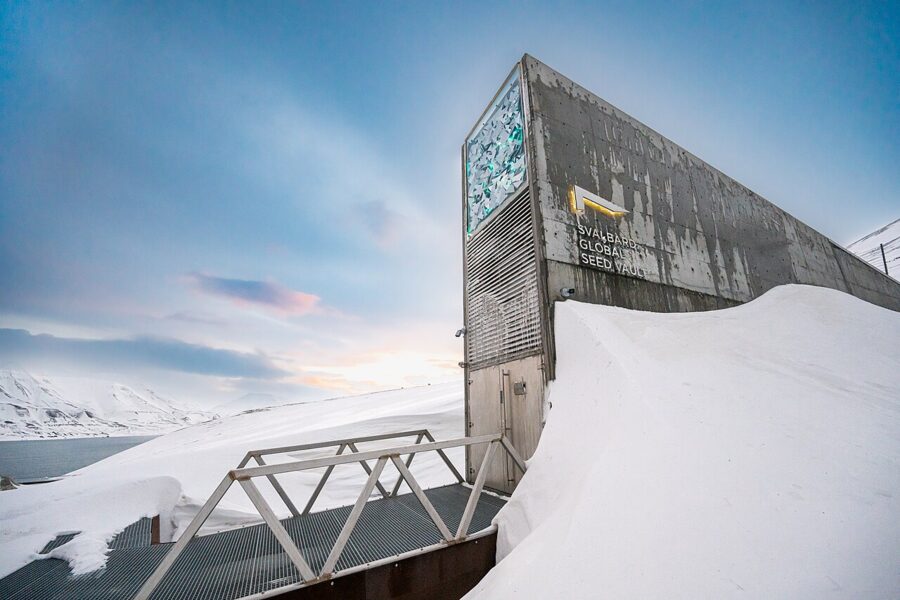
Mine 3, near the airport, closed in 1996 with its machines left in place. A three-hour guided visit costs from NOK 950 and runs all year; the seams were 60–90 cm high, which you will understand within a minute of crawling into one. The Svalbard Global Seed Vault is not open to visitors, but guided hikes stop at its entrance on Platåberget (four hours, from NOK 1,290, October to June).


Where to eat and drink
For a town this size, the food is serious. Huset, halfway between the centre and Nybyen, is counted among Norway’s best restaurants and has a wine cellar to match, plus a simpler bistro. Funktionærmessen in Funken Lodge has one of the best views in town, Gruvelageret sits in an old mining warehouse in Sverdrupbyen, and Polfareren at Svalbard Hotell builds its menu around Nordic food and polar history.
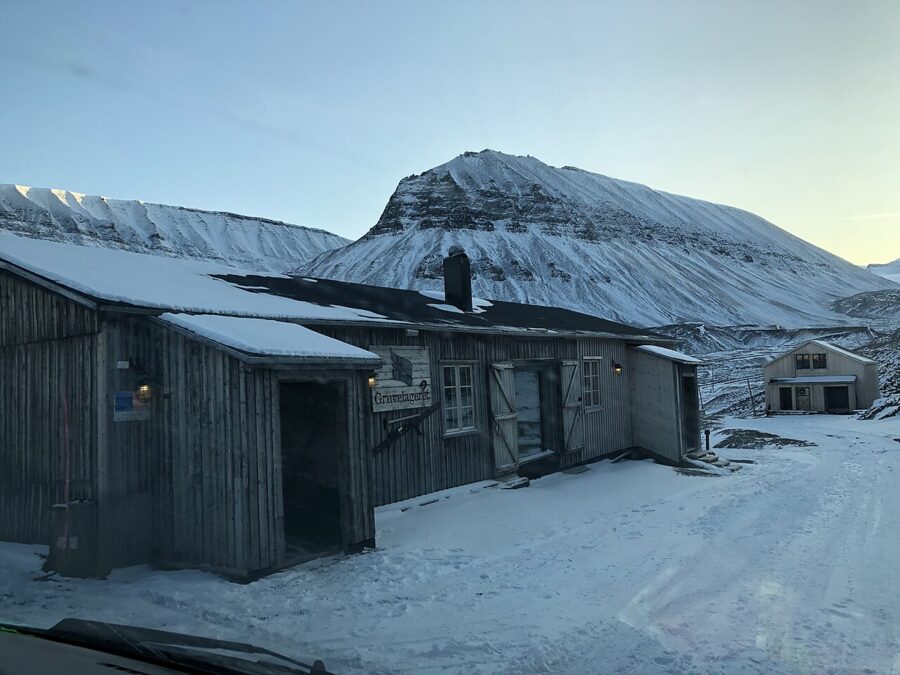

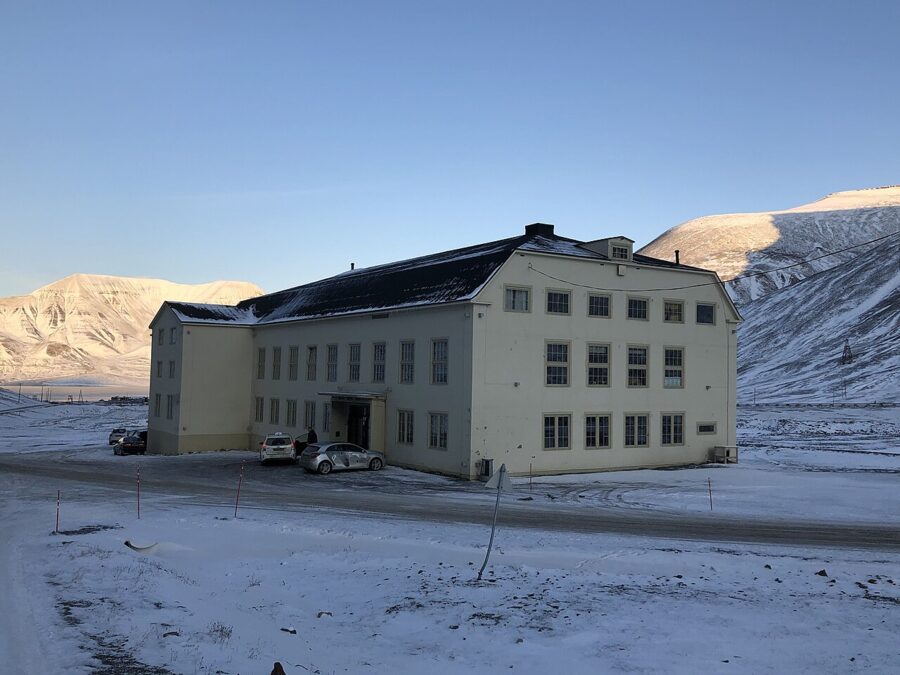

For something less formal, there is Kroa, Stationen for home-style Norwegian food, and the pubs Karlsberger, Svalbar and Barentz. Fruene makes chocolates, and Svalbard Bryggeri brews beer; a brewery visit costs NOK 475. In March and April, book dinner when you book the trip.
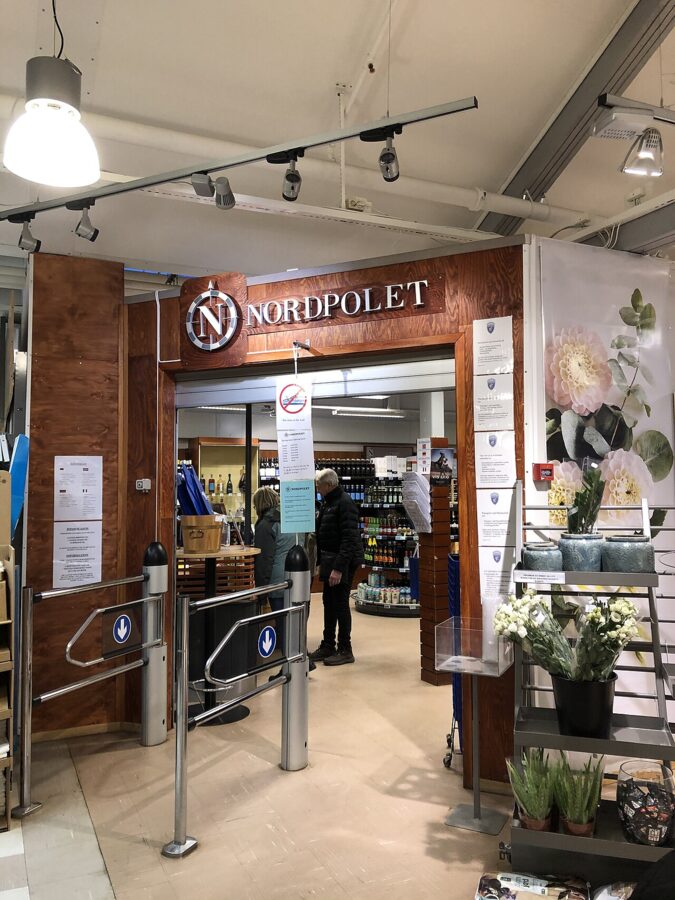
Alcohol has its own rule. Beer and spirits are sold at Nordpolet inside the Coop supermarket, residents have monthly quotas, and visitors must show their airline ticket to buy.

Where to stay
Longyearbyen has six hotels, three guesthouses, rental apartments and a campsite, and that is all; you cannot rent a cabin out of town, though guided multi-day trips use operators’ own wilderness cabins. The larger hotels are Radisson Blu Polar Hotel Spitsbergen and Svalbard Hotell, which runs Polfareren, The Vault and the Lodge apartments. Funken Lodge, home of Funktionærmessen, and Mary-Ann’s Polarrigg complete the list.
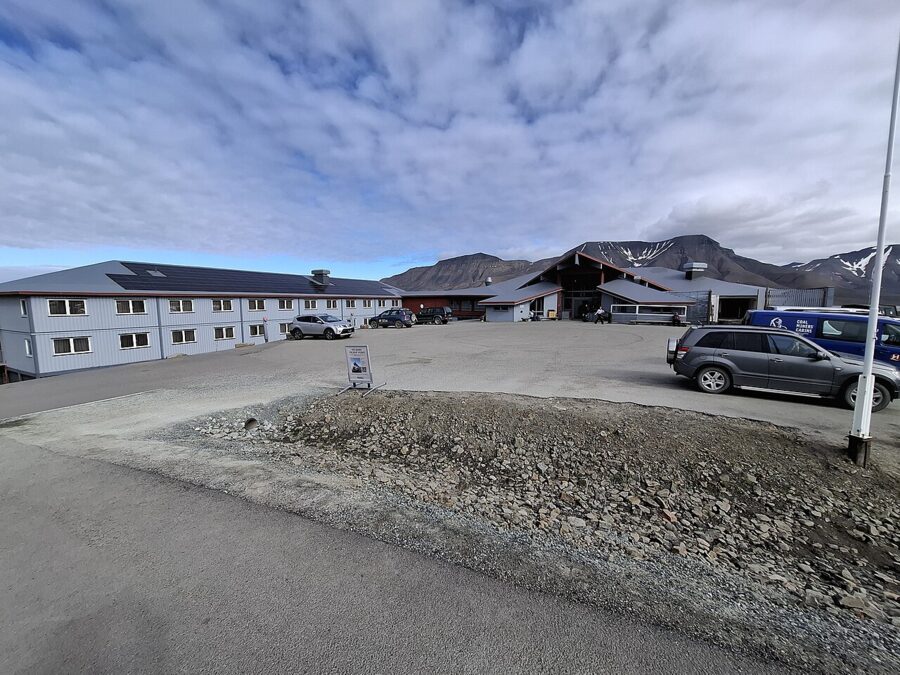
For lower prices, the guesthouses are Gjestehuset 102 in Nybyen, Haugen Pensjonat and Coal Miners’ Cabins, all sociable places where people swap trip reports over the evening coffee. Longyearbyen Camping opens in summer only, with an electric fence around the tents against bears. Prices swing hard with the season, so check them for your own dates.
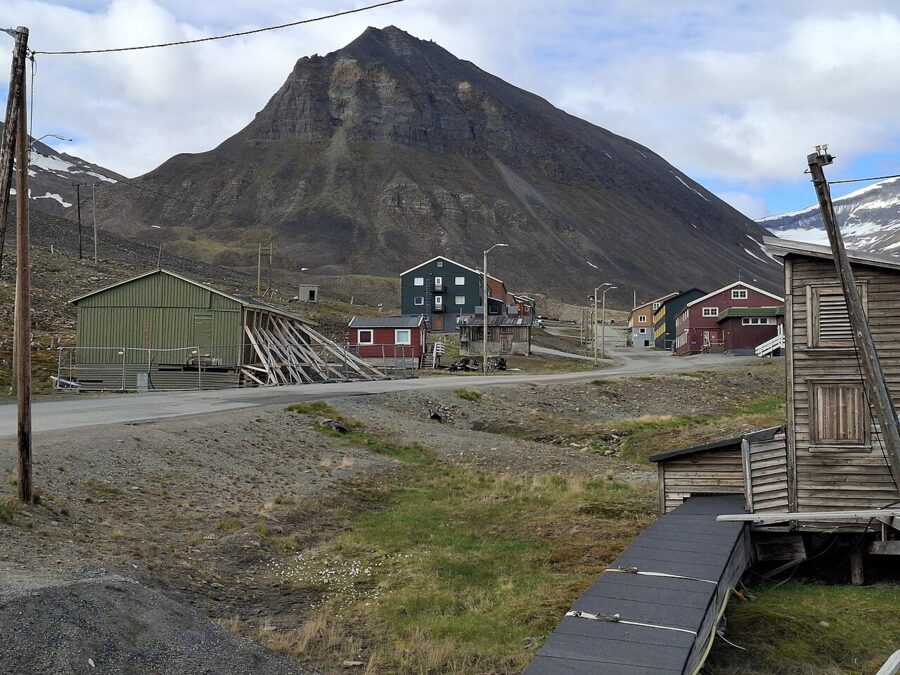
For one night somewhere else, Isfjord Radio Adventure Hotel is an old radio station on Kapp Linné, about 90 km west of town, open from about mid-February to late September. You get there by snowmobile in winter or by boat in summer, when the Isfjord Ekspressen sails daily from June to mid-September.
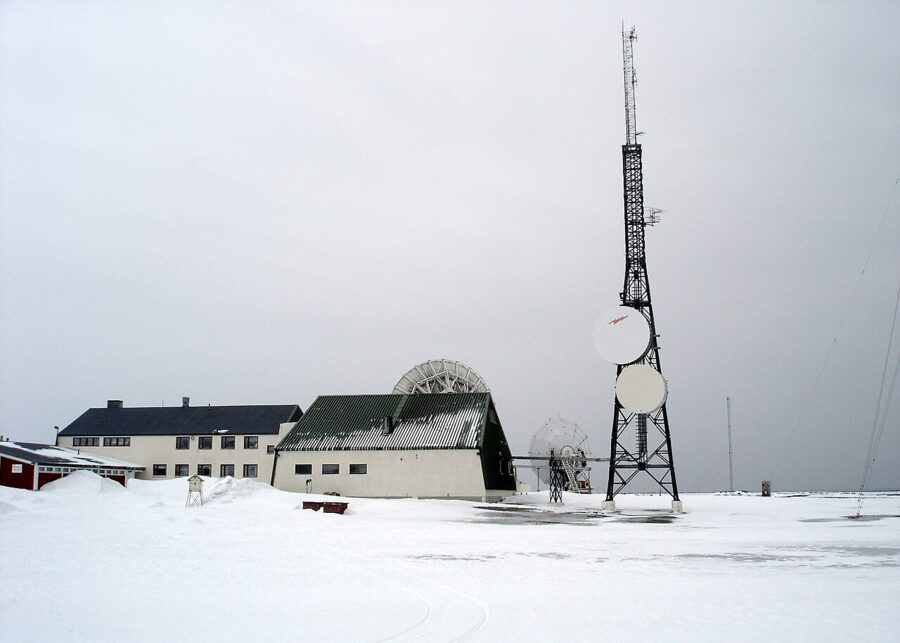

Barentsburg and Pyramiden
The two Russian settlements are the detour most people ask about, and they are the hardest to plan. Both are run by the Russian state coal company Trust Arktikugol. After Russia’s invasion of Ukraine in 2022, Visit Svalbard and most of Longyearbyen’s tour companies stopped selling trips to either place, and Visit Svalbard removed every product with a link to the Russian state companies. Its statement on Barentsburg and Pyramiden explains why.
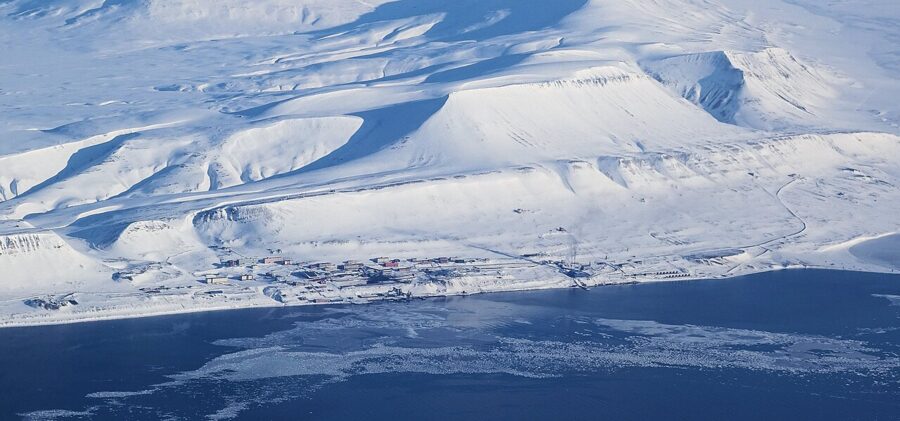
Barentsburg lies 60 km west of Longyearbyen on Grønfjorden. The Dutch named it in 1920 and sold it to the Soviet state company in 1932; it was largely destroyed in the Second World War and rebuilt, and about 450 people live there, with a Lenin bust still facing the fjord and a Russian consulate general.

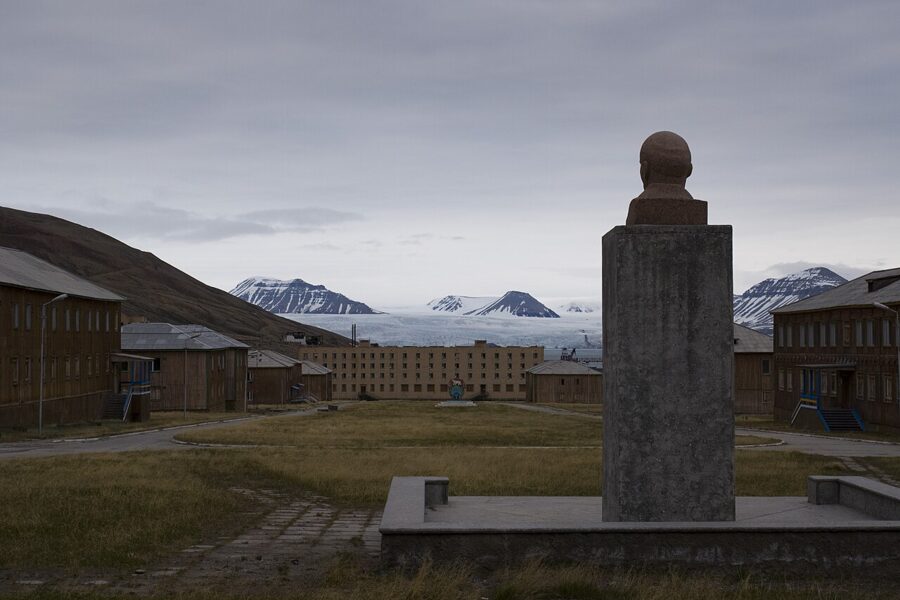
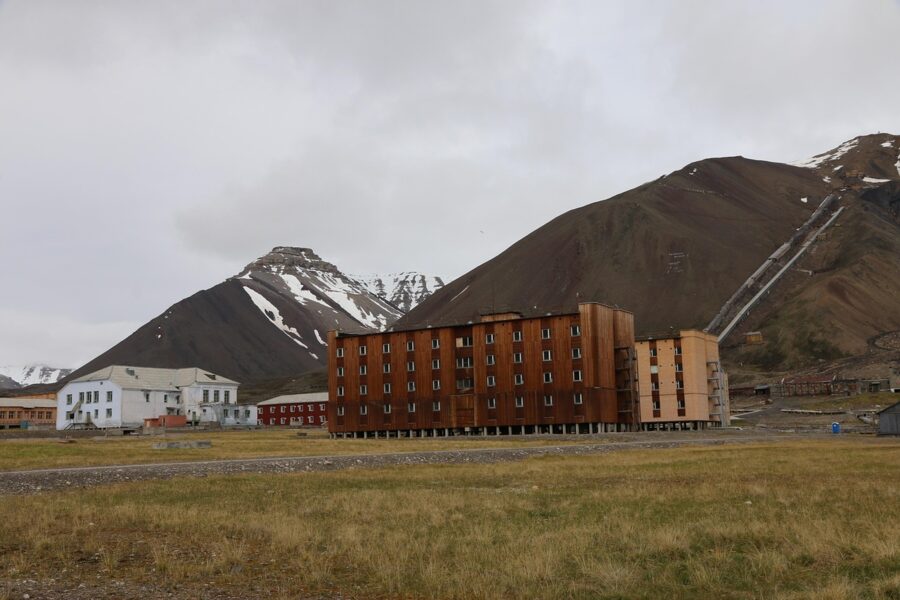
Pyramiden, at the head of Billefjorden, was founded by Sweden in 1910, sold to the Soviet Union in 1927 and abandoned in 1998. Over 1,000 people lived there in the 1980s; fewer than ten do today. The town was built as a model Soviet settlement, and its buildings still stand much as they were left, with a Lenin bust looking out over grass brought from Siberia towards Nordenskiöldbreen.

The simplest way to see Pyramiden today is from the water, on the catamaran trip to Nordenskiöldbreen, which passes it at a distance. In winter, sea ice can close the area from around March. The houses belong to Trust Arktikugol and are not open to the public, and the Governor is told about anyone who goes into them.
For a settlement beyond Longyearbyen that welcomes day visitors, Ny-Ålesund, the research village on Kongsfjorden, is reachable on summer day trips by boat. Expect strict radio silence rules and no drones anywhere near it.
What it costs on the ground
Svalbard is expensive, and the biggest cost after the flights is the tours: almost everything outside town is a guided trip, and four of them add up quickly. These are the current “from” prices per adult at Hurtigruten Svalbard, one of the larger operators, plus the fixed costs.
| Item | Season | From |
|---|---|---|
| Environmental fee (in your ticket) | All year | NOK 150 |
| Airport bus, one way | All year | NOK 110 |
| Svalbard Museum | All year | NOK 160 |
| Mine 3 visit, 3 hours | All year | NOK 950 |
| Ice cave by snowcat, 3 hours | January–May | NOK 1,495 |
| Dog sledding in Bolterdalen, 4 hours | January–May | NOK 2,590 |
| Snowmobile to Tempelfjorden, 7 hours | February–May | NOK 3,995 |
| Snowmobile to the east coast, 10 hours | February–May | NOK 4,695 |
| Catamaran to Nordenskiöldbreen, 6.5 hours | April–October | NOK 3,095 |
| Walrus safari by boat, 4 hours | May–August | NOK 3,195 |
Prices are set per season and change; Hurtigruten Svalbard’s activity list shows the current ones, and other operators price in the same band. A five-day trip with three or four trips, meals out and a mid-range bed is a five-figure sum in kroner per person before flights.
There is no bank, cash machine or currency exchange on Svalbard. Cards work everywhere, so if you want kroner in cash, take them out on the mainland. Outdoor clothing in Longyearbyen’s sports shops is sold at Svalbard’s tax-free prices, which can make it cheaper to buy a missing layer here than at home.
Longyearbyen’s hospital is small and handles emergencies; anything serious is flown to the mainland. Treatment is billed to the patient unless you are covered by the Norwegian national insurance scheme, so check that your travel insurance names Svalbard.
What to pack
Frostbite is one of the most common injuries on Svalbard, and the wind is the reason. Winter temperatures are often around −12°C in early winter and around −5°C towards the end, but they can fall to −30°C, and a breeze makes any of those feel far colder. The short version of Visit Svalbard’s guide to dressing for Svalbard:
- Winter (October–May): wool base layers, a fleece or wool mid-layer, windproof outer shell, warm boots with room for two pairs of socks, a balaclava, windproof mittens, and a headlamp and reflector for the dark months. Ice spikes help on the roads.
- Summer (mid-May–September): wool layers still, a windproof jacket and trousers, a hat and gloves, and boots that can take stream crossings; rubber boots for wet tundra.
- Indoors: slippers or thick socks, since shoes come off at the door.
Snowmobile, dog-sled, boat and mine tours usually lend suits, boots and helmets, so check the tour description before you buy anything. Nobody in town rents ordinary winter clothing, but the snowmobile dealers IGP and Svalbard Snøscooterutleie will sometimes rent snowmobile suits that do the job.
Expedition cruises in brief
The cruise ships that start in Longyearbyen go where the day boats cannot: round Spitsbergen to the drift ice in the north, the bird cliffs of Alkefjellet and the walrus beaches of the east. Under the 2025 rules they land only at mapped sites, with guides, and ships in the national parks may carry no more than 200 passengers.
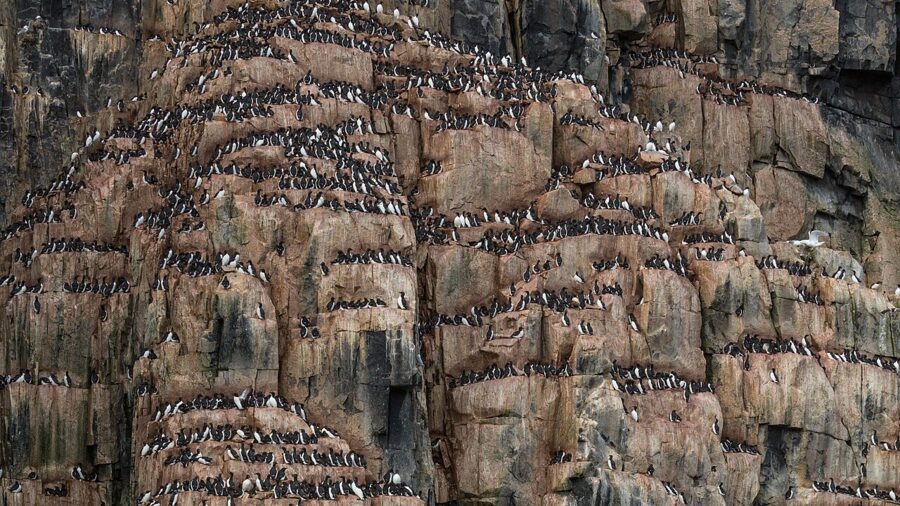

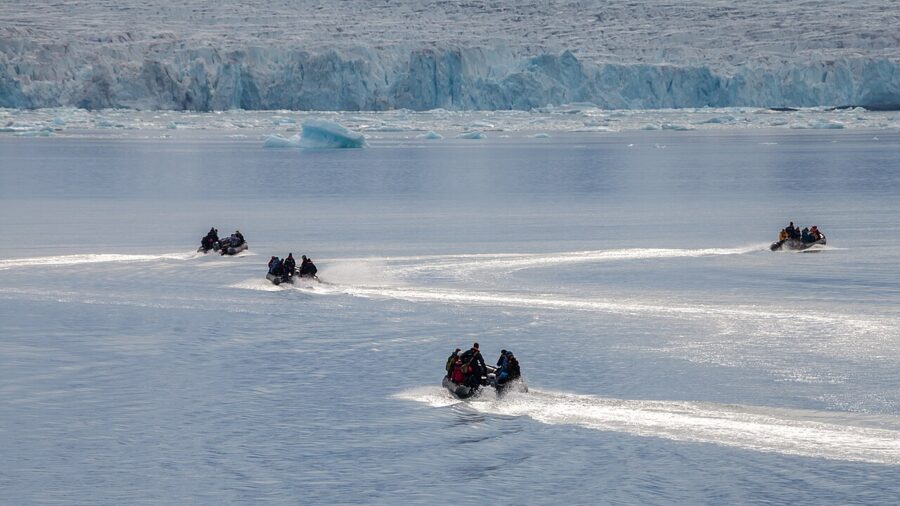

Most voyages run in the summer months, and the early sailings meet the most ice. If you sail, arrive a day or two early: the ship will not wait for a delayed flight.
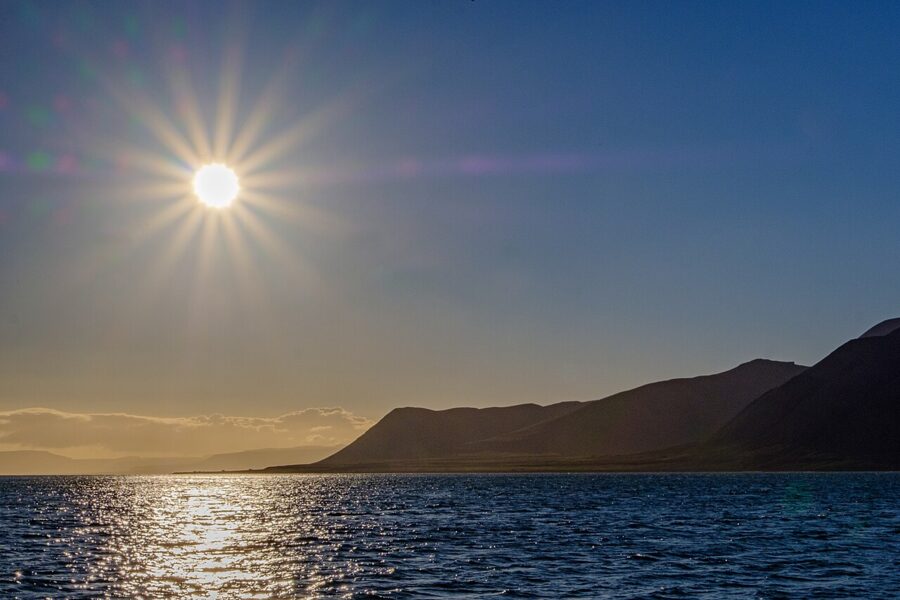

On the last day, walk back out to the sign on the Adventdalen road. It reads the same from the town side, Gjelder hele Svalbard, but by then you will have been past it on a sled, a snowmobile or the deck of MS Bard, with someone beside you who carried the rifle. Book that someone before you book the flight.